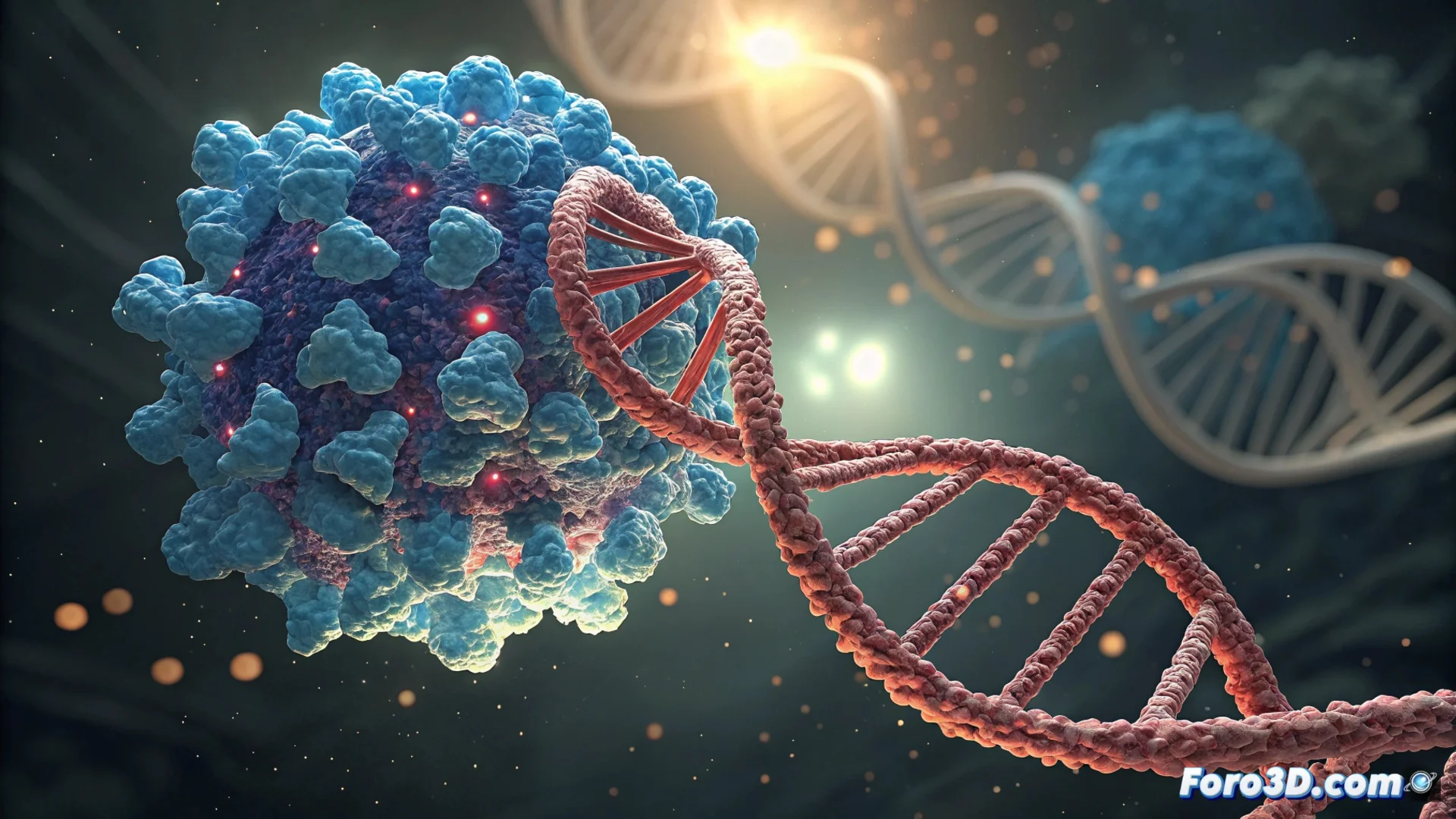
A Molecular Patch Repairs Defective RNA in Myotonic Dystrophy
A group of researchers identified a compound that functions as a molecular patch, correcting errors in the messenger RNA linked to myotonic dystrophy type 1. This innovative strategy addresses the genetic cause without modifying the base DNA, marking a milestone in the design of therapies 🧬.
Mechanism of Action of the Repairing Compound
The molecule, discovered after analyzing thousands of candidates, adheres with great precision to the anomalous nucleotide repeats that form hairpin structures in the RNA. By acting as a molecular filler, it prevents other proteins from coupling and triggering the pathological process. This allows cells to partially recover their ability to produce essential proteins for muscle tissue 💪.
Key Features of the Finding:- The compound binds specifically to the defective regions of the RNA, blocking toxic interactions.
- Restores normal cellular function in laboratory experimental models.
- Represents a new approach to correcting diseases at the messenger RNA level.
The idea of using a molecular patch to silence a genetic error sounds like science fiction, but here it is, repairing RNA like putting putty in a crack.
Next Steps in Research
This discovery constitutes an initial phase in preclinical research. It demonstrates the viability of directly targeting toxic RNA with small molecules. Future efforts will focus on optimizing the potency and safety profile of the compound, as well as testing its efficacy in more complex animal models 🐭.
Challenges to Overcome:- Optimize the pharmacological properties of the compound to increase its potency.
- Evaluate safety and possible side effects in living organisms.
- Validate therapeutic efficacy in animal models that better replicate the human disease.
Implications for Future Therapy
If the studies progress, this work could lay the foundation for a new class of treatments targeted at diseases caused by defective RNA. Although it is not the definitive cure, this approach reminds us that the most elegant solutions can be simple: plugging the hole where cellular functionality escapes. The path from the laboratory to the patient is long, but a promising avenue has been opened 🔬.