A Film Script Reimagines Leonardo da Vinci as a Bioesthetician
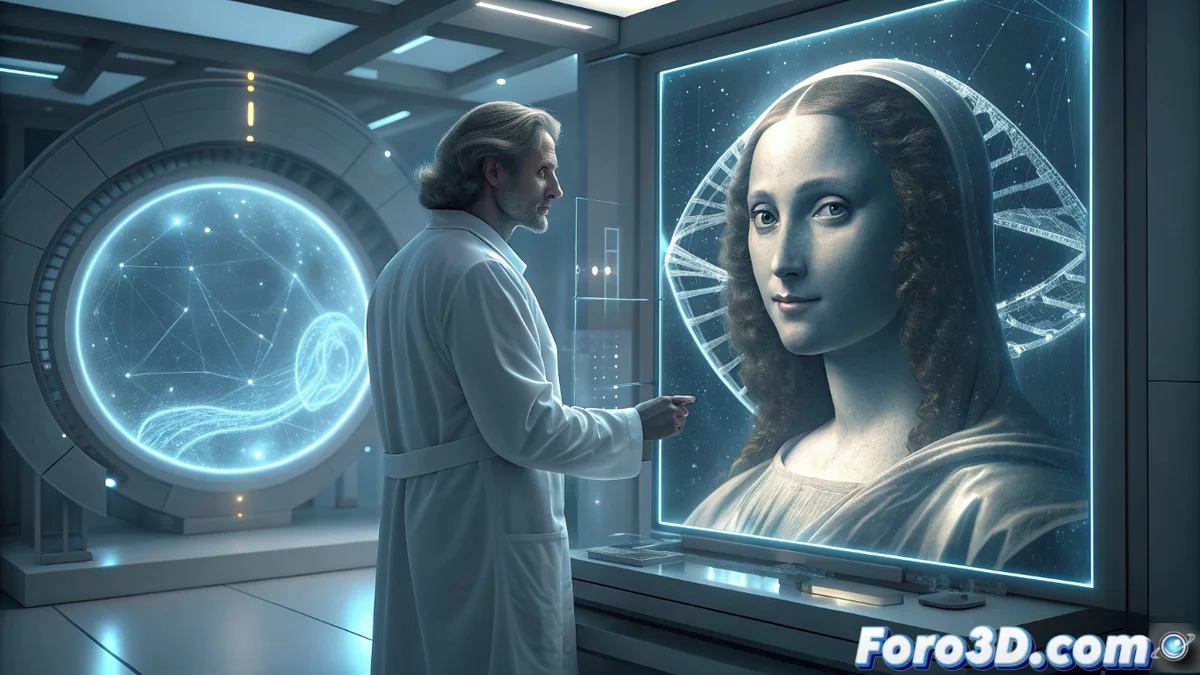
A cinematic proposal reimagines a key historical moment from a futuristic and dark perspective. The iconic scene of the artist in his studio is transposed to a cutting-edge laboratory. Here, the Renaissance genius no longer creates with pigments, but with genetic code. 🧬
The Laboratory Replaces the Workshop
In this narrative, Leonardo operates under the title of chief bioesthetician. His mission is not to capture a human essence on a canvas, but to build it from scratch. He interacts with advanced holographic screens to modify and sculpt DNA sequences. The ultimate goal is to produce a luxury synthetic companion, named Mona Lisa, for a wealthy elite.
Key Elements of the Creative Process:- Holographic Interface: Replaces the color palette to adjust facial features and bone structure with precision.
- Genetic Design: Replaces the act of painting; biological parameters are manipulated to define every detail.
- Luxury Product: The creation is an exclusive good, custom-made for clients who can afford it.
Perhaps in this dystopia, patrons do not discuss perspectives or glazes, but the return on investment rate in genetic submission.
The Smile as a Code of Obedience
The most symbolic element of the design is the facial expression. The famous enigmatic smile becomes a programmed feature. It is not the result of an emotion, but of a biological instruction inserted into the genome. This smile of submission ensures that the created being never questions or challenges its owner.
Implications of This Fundamental Change:- Transformation of Art: The masterpiece ceases to be a painting and becomes a designed living being.
- Role Change: Leonardo goes from artist to architect of obedience, using biotechnology as his tool.
- Symbol of Control: The creation embodies how technology can be used to dominate and suppress autonomy.
Final Reflection on the Dystopia
This reinterpretation turns the act of creating art into an act of exercising control. The pursuit of perfect beauty is corrupted to serve a system that values submission over authentic expression. The figure of Da Vinci, the ultimate symbol of human creativity, is reimagined as the operator of a machinery that produces docile beings. The proposal invites reflection on the ethical limits of biotechnology and how power can distort the purpose of genius. 🤖