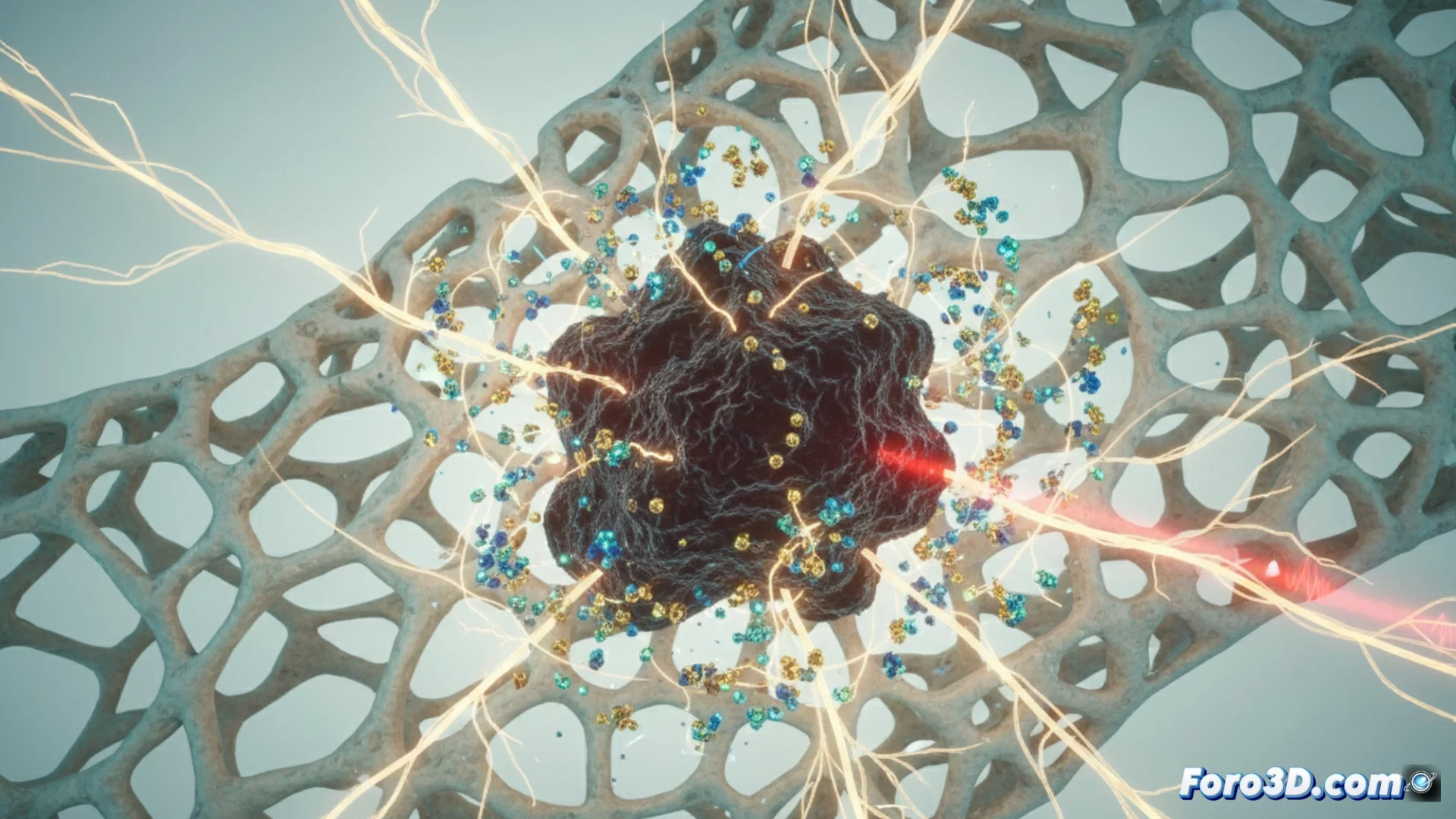
A Drug for Bone Cancer Also Mitigates Tumor Pain
A recent study has identified an additional benefit in a medication designed to treat bone cancer. Beyond its primary function, the compound demonstrated significant relief of tumor-associated pain during preclinical trials, improving the quality of life of the study subjects. 🎯
The Mechanism Behind Pain Relief
The drug operates by inhibiting an essential protein for cancer cells to proliferate. By blocking this pathway, it not only halts tumor progression but also disrupts the pain signals that the cancer generates in neighboring nervous tissues. This indicates that the treatment can act on two targets simultaneously.
Key actions of the medication:- Inhibit a crucial protein for tumor growth.
- Interfere with pain signals transmitted to the nerves.
- Offer a dual therapeutic approach against the disease and its most debilitating symptom.
Sometimes, a single treatment can hit two targets, and the tumor isn't the only one affected by the surprise.
Implications for Future Oncological Treatments
This discovery sets a new direction for developing cancer therapies that not only combat the disease but also inherently manage pain. Researchers now plan to study how to incorporate this analgesic effect into standard treatment regimens.
Possible future impacts:- Create oncological treatments with integrated pain management capability.
- Potentially reduce the need for opioids and other potent analgesics with strong side effects.
- Globally improve patient well-being and treatment tolerance.
A Dual Perspective in Medicine
This finding underscores the potential of drugs to have multiple beneficial effects. Attacking cancer and its associated pain from the same front represents a significant advance, promising to optimize patient care and open pathways for designing more comprehensive medications. 💊