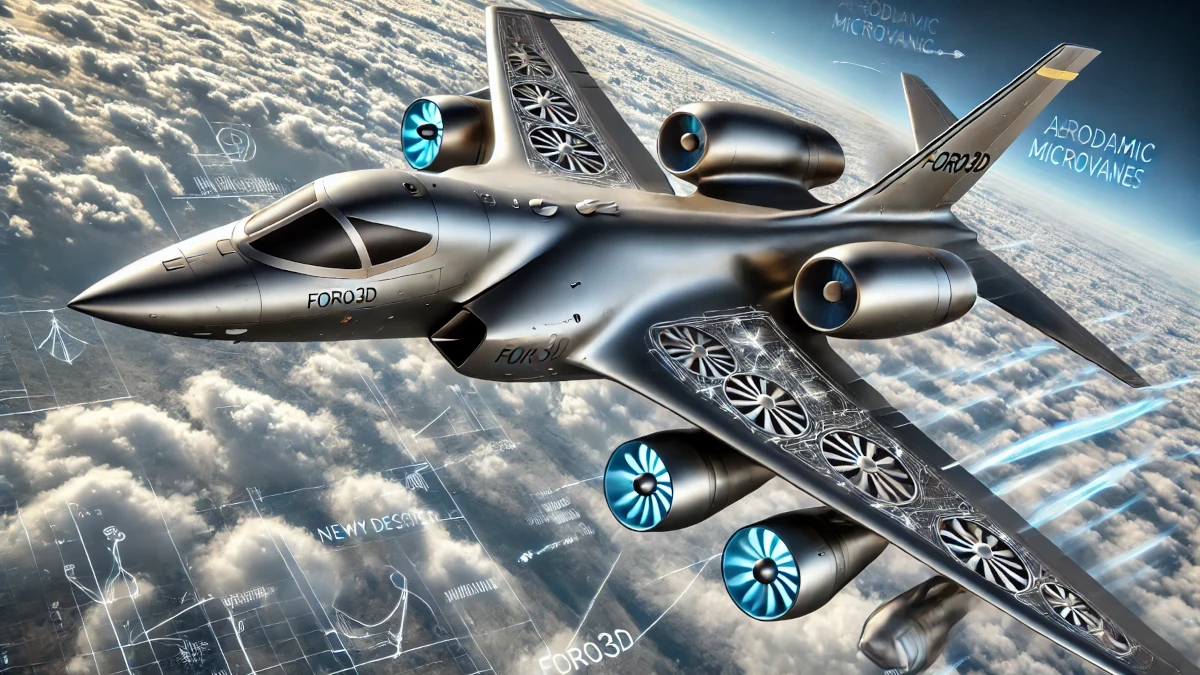
Fuel consumption efficiency is one of the main concerns in aviation, especially in large aircraft used in strategic operations. To optimize their performance, an innovative solution based on 3D printing has been developed that allows reducing aerodynamic drag and improving energy efficiency.
An Innovative Aerodynamic Solution
The technology in question consists of installing small aerodynamic winglets on the rear part of the fuselage. These structures allow:
- Reduce air resistance: Optimize the aerodynamic flow during flight.
- Reduce fuel consumption: Minimize the effort required by the engines.
- Improve stability: Favor greater autonomy without compromising safety.
Impact on Fuel Consumption
The tests carried out have demonstrated that the implementation of these parts can generate a significant fuel savings. With an initial investment recoverable in a few months, the widespread adoption of this technology would allow optimizing resources without the need for costly structural modifications to the aircraft.
3D Printing in the Aeronautical Industry
This advance represents another step in the integration of additive manufacturing in the aeronautical industry. The ability to print customized components with precision has opened new possibilities for the design and maintenance of aircraft.
“As technology evolves, applications continue to be developed that transform the way future aircraft are designed and optimized.”
The Future of Aviation with Additive Manufacturing
As 3D technology advances, it is expected to continue revolutionizing the manufacturing of aeronautical components. From the production of lighter parts to the creation of more aerodynamic designs, 3D printing is shaping up as a key tool to achieve a more efficient and sustainable aviation.