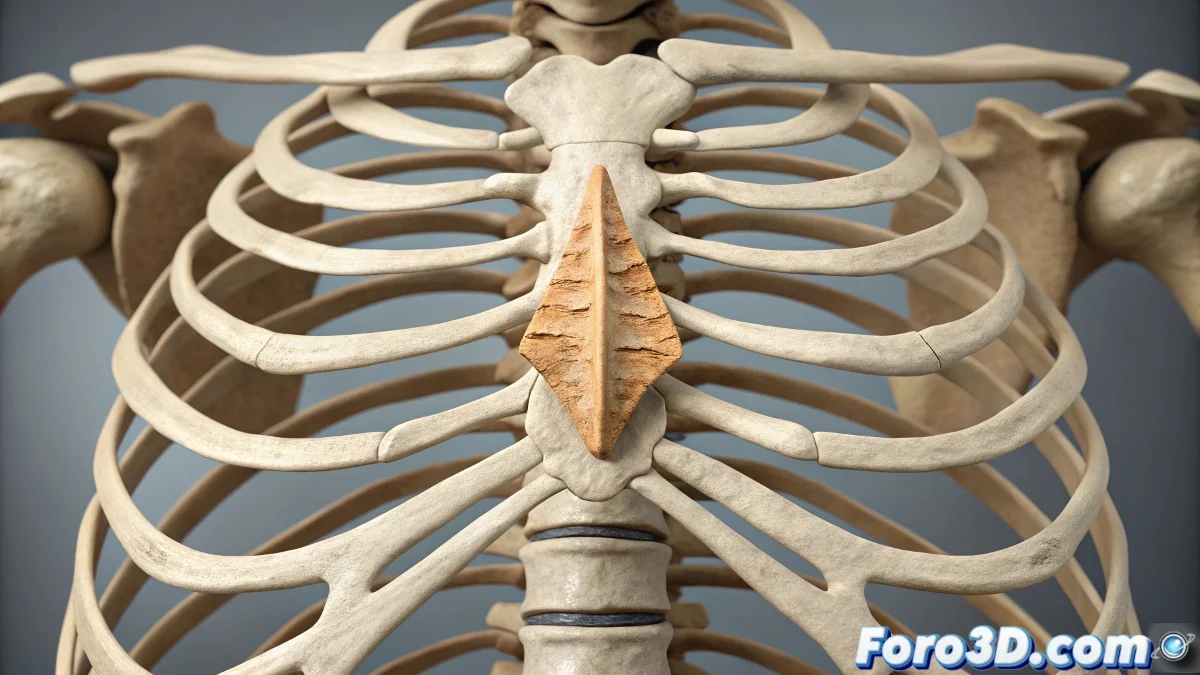
When Bones Tell Stories 🏹
Imagine being a detective, but instead of fingerprints, you work with 4,000-year-old bones. That's the life of 3D artists who reconstruct prehistoric crimes, turning fractures and arrowheads into interactive digital scenes. It's not CSI: Stone Age, but close.
Archaeology is no longer limited to brushes and trowels; now it also requires mesh subdivision and normal maps.
From the Cave to the Viewport
The process begins with microtomographies of the affected bone, where every crack and perforation must be replicated with millimeter precision. No random modeling here: you have to understand how a bone fractures, how it heals, and even how it would react to an arrow impact. 🦴
Tools like ZBrush or Blender allow sculpting the smallest details, while engines like Unreal Engine bring the scene to life with realistic lighting and physical effects. That said, no one said animating an arrow wound was easy.
Techniques to Revive the Past
- Forensic Retopology: Adapt the mesh to show realistic damage without losing functionality.
- Medical Shading: Textures that mimic bone porosity and calcification.
- Tissue Simulation: Soft body dynamics to recreate the impact of ancestral projectiles.
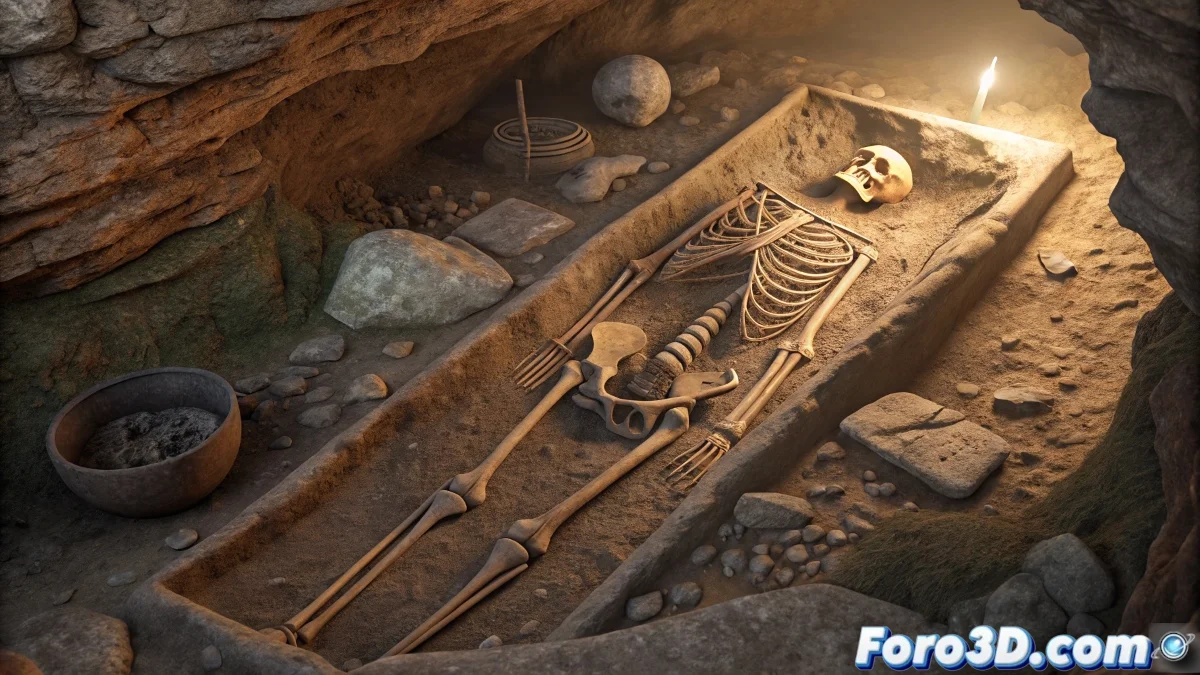
Why Does This Matter to 3D Artists?
Besides being a fascinating technical challenge, this type of project opens doors in museums, documentaries, and education. A portfolio with historical reconstructions can make you stand out from the crowd, especially if you master anatomy and visual storytelling. 💀
And who knows, maybe your next prehistoric crime recreation will end up in an exhibition or a Netflix documentary. At least it will be more interesting than explaining to your family that "yes, I work with computers, but I don't make video games". 😅