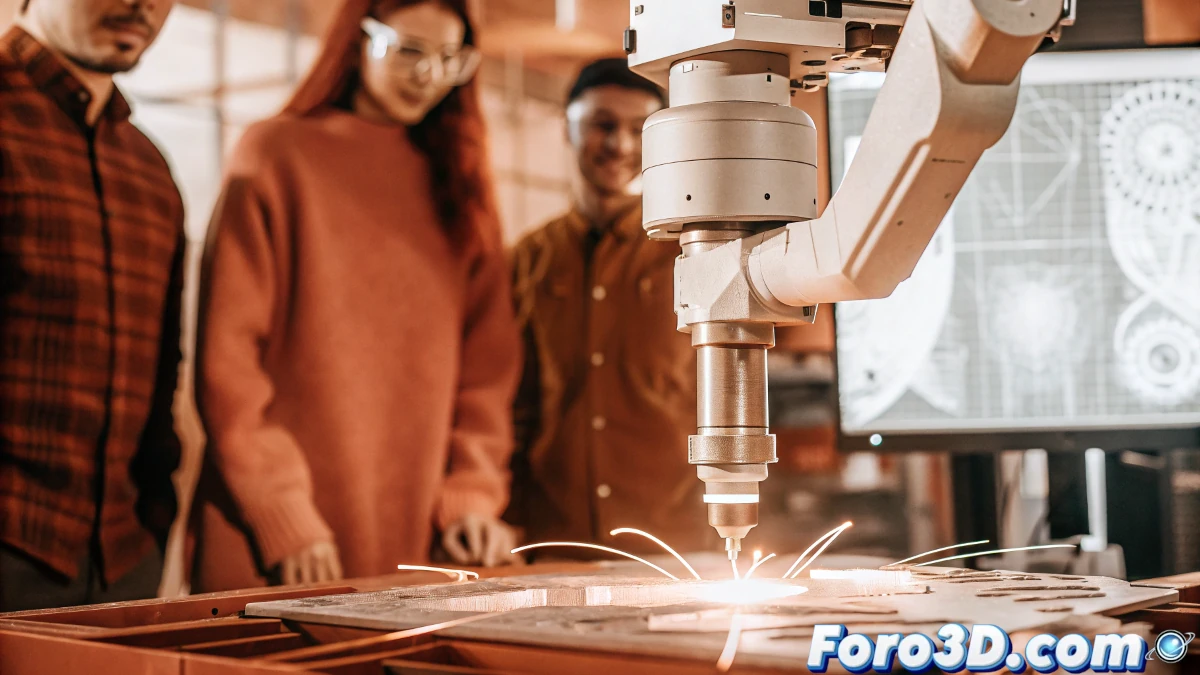
In a world where technology constantly redefines the limits of what is possible, metal 3D printing emerges as one of the most transformative innovations. Thanks to collaborations like that of Siemens Digital Industries Software and the University of Michigan, this technology is being brought to a wider audience through free online courses. One of these programs, titled Introduction to Metal 3D Printing, aims to democratize knowledge and prepare the next generation of engineers for future challenges.
A Game-Changing Course
The course, led by Professor Chinedum Okwudire, consists of five modules covering advanced techniques such as directed energy deposition (DED) and laser powder bed fusion (LPBF), as well as lesser-known processes like material jetting and friction stir. With an approximate duration of 17 hours, this program not only teaches theory but also offers practical experiences through the use of augmented reality (AR) to visualize complex processes.
"Metal 3D printing has the potential to revolutionize entire industries, but to achieve this, we need a skilled and diverse workforce." - Aaron Frankel, Siemens.
The Transformative Potential of 3D Printing
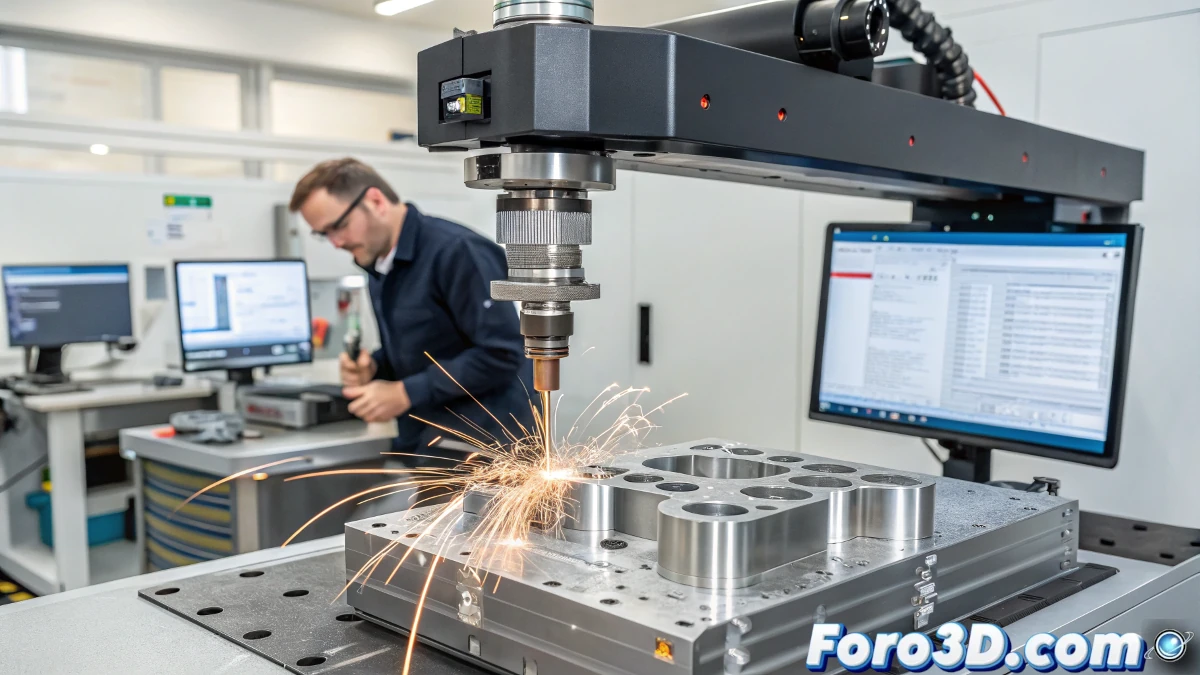
According to Aaron Frankel, Vice President of Manufacturing Solutions and Additive Manufacturing at Siemens, this technology not only enables the creation of complex shapes and large-scale product customization but also has the power to transform entire industries. However, to reach this potential, it is essential to have professionals who understand both the advantages and challenges of metal 3D printing.
- Complex shapes: Creation of designs impossible with traditional methods.
- Customization: Tailored production for specific needs.
- Industrial transformation: Impact on sectors such as medicine, aeronautics, and automotive.
Democratizing Knowledge
One of the main objectives of the course is to reach a global and diverse audience. Professor Okwudire emphasizes the importance of encouraging participation from people from different backgrounds in this transformative technology. With Siemens' support, the program not only seeks to educate but also to build a more equitable and inclusive future in the field of additive manufacturing.
Practical and Accessible Learning
The course is not limited to theory. Participants have the opportunity to explore design, post-processing, and gain insights from industry professionals. Additionally, the inclusion of augmented reality (AR) allows students to visualize and better understand processes, facilitating decision-making on which 3D printing method best suits their needs.
- Design and post-processing: Key aspects to master the technology.
- Augmented reality: Tool for better understanding.
- Professional insights: Learning based on real experience.
A Forward-Thinking Strategy
Siemens is not new to the world of online education. The company has offered courses such as Introduction to Solid Edge and Applied Computational Fluid Dynamics, among others. This strategy not only seeks to expand knowledge about digital tools but also to increase the potential customer base for its products. By making these tools more accessible, Siemens benefits both the industry and itself.
The Importance of Democratizing Knowledge
3D printing remains a specialized field, with only around two million professionals worldwide. However, the more people understand and use this technology, the greater its impact will be. Demystifying 3D printing is key to accelerating its growth. A comprehensive set of courses covering all aspects of this technology would be an invaluable resource for the industry.
"If the industry collaborated to create a comprehensive learning path, many entry barriers would be eliminated and the adoption of this technology would be accelerated."
A Call for Collaboration
Although useful courses already exist developed by institutions like MIT, Purdue, and others, there is still much to be done. For example, a course on the safe handling of powders in 3D printing would be extremely valuable. Programs specialized in medical device manufacturing, dental applications, or even large-scale printing could drive growth in these sectors. What is missing is a comprehensive course that takes a beginner from zero to the ability to print something as complex as a hip implant.
A Promising Future
If the industry collaborated to create a comprehensive learning path, many entry barriers would be eliminated and the adoption of this technology would be accelerated. In the meantime, initiatives like that of Siemens and the University of Michigan are laying the foundations for a future in which metal 3D printing is accessible to everyone. This effort not only benefits the involved companies but also drives the progress of the industry as a whole.
- Collaboration: Key to technology growth.
- Comprehensive education: Necessary to eliminate barriers.
- Global impact: Benefits for industry and society.