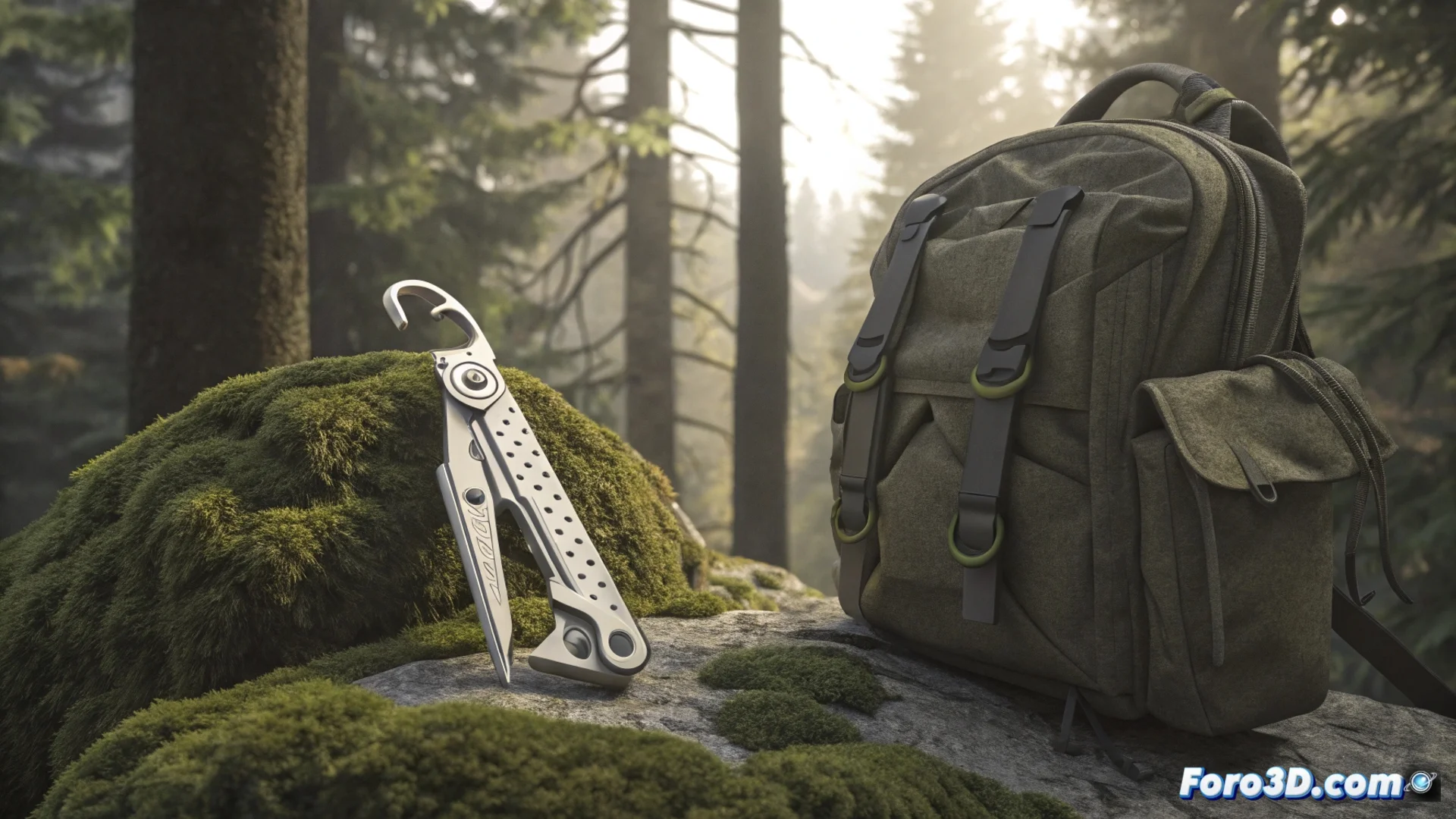
3D Printing to Optimize Outdoor Activity Gear
When planning a trip to nature, reducing the weight and increasing the utility of your gear makes all the difference 🎒. Additive manufacturing allows producing custom-made components that respond to specific demands, whether for hiking in the mountains or setting up a camp. This innovation helps generate lightweight yet sturdy parts, perfect for long treks. Quickly modifying and evaluating prototypes allows solving specific issues that arise in the natural environment.
Adapting Utensils and Organization Systems
Those who enjoy fishing or hunting can manufacture their own containers for baits, reel holders, or tool fasteners. In the camping realm, it's common to print tent stakes, light supports, or custom clips for backpacks. Being able to modify a digital model before materializing it ensures each element performs its role optimally. This avoids using standard items that might not fit properly.
Examples of customizable components:- Bait and reel holders with specific measurements for each type of fishing 🎣.
- Hooks and supports to attach lanterns or tools inside the tent.
- Spare closures and rings for backpacks, adapted to the strap thickness.
The freedom to design digitally before producing physically transforms how we address needs in nature.
Material Choice Defines Durability
Selecting the right filament is crucial. PLA is popular but can lose shape in high temperatures, whereas PETG or ABS better withstand heat and impacts. For more intensive uses, nylon or carbon fiber composites provide superior strength. It's key to consider the conditions the part will face, such as water exposure, direct sunlight, or low temperatures, to choose the material that performs most reliably.
Key characteristics of filaments:- PLA: Easy to print, but limited in hot environments.
- PETG/ABS: Good thermal and mechanical resistance for general gear.
- Nylon/Composites: Maximum robustness and durability for critical, high-stress parts.
Key Advantage in Unexpected Situations
It's very practical to know that if a backpack ring breaks in a remote location, you can review the 3D model for improvements instead of attributing it solely to an environmental accident. This ability to iterate and repair oneself empowers the end user.