3D Printing in the Development of the Rimac C_Two: Accelerating the Creation of the Nevera
Additive manufacturing is transforming the way electric supercars are designed and produced. In the case of the Rimac C_Two, precursor to the current Nevera, 3D printing has been fundamental during the prototyping stage, enabling a more agile and efficient evolution. 🚗⚡
Key Advantages of Additive Manufacturing in Electric Vehicles
The adoption of 3D printing technologies in the development of battery electric vehicles (BEVs) like the C_Two offers multiple benefits. It allows for a rapid transition from digital models to functional physical components in a matter of days, optimizing both time and invested resources.
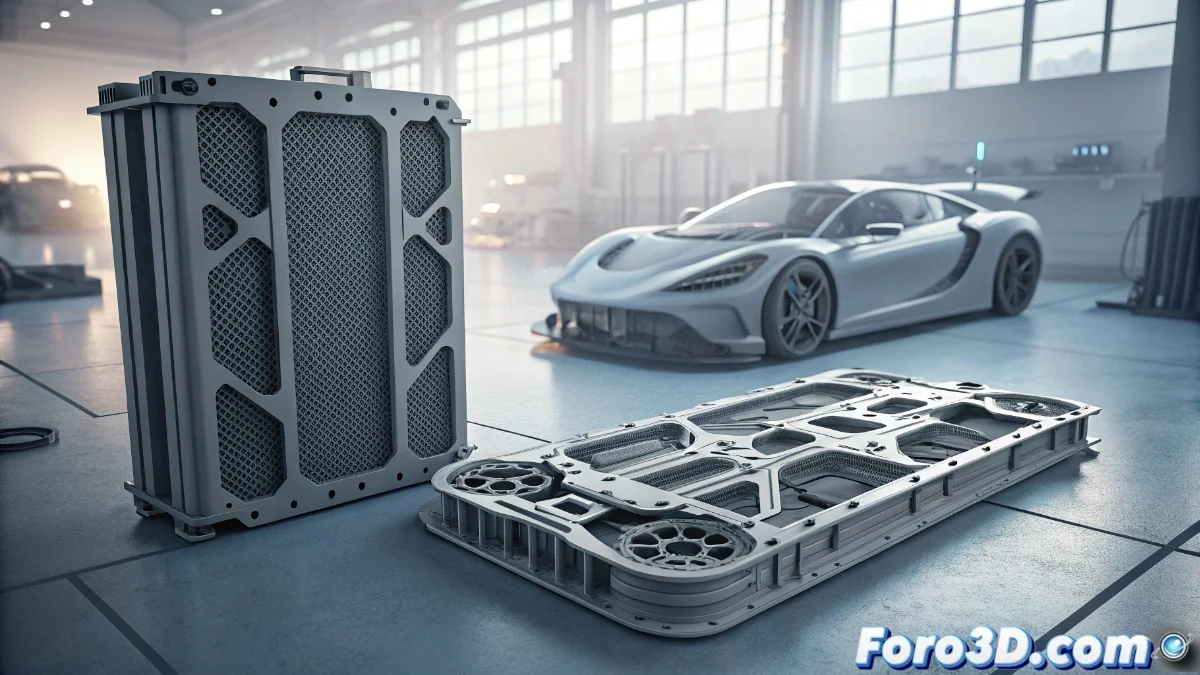
Highlighted Applications in the Rimac C_Two:- Creation of battery housings with complex geometries and high precision
- Development of powertrain cooling systems with improved thermal performance
- Manufacturing of interior parts for fit and functionality testing
The ability to produce intricate geometries improves thermal efficiency and structural integrity, crucial for high-performance electric vehicles.
Impact on Automotive Innovation
The use of additive prototyping not only accelerates development cycles but also drives experimentation with advanced materials and innovative designs. This positions companies like Rimac at the forefront of BEV technology.
Long-term Benefits:- Reduction of costs and risks associated with traditional methods
- Ability to iterate and refine components without expensive tooling
- Promotion of customization and sustainability in the automotive industry
The Future of Additive Manufacturing in Automotive
As 3D printing continues to evolve, its adoption is expected to expand, further reducing time-to-market and improving efficiency in electric vehicle production. The experience with the Rimac C_Two sets an important precedent for the development of future models. 🔮🏁