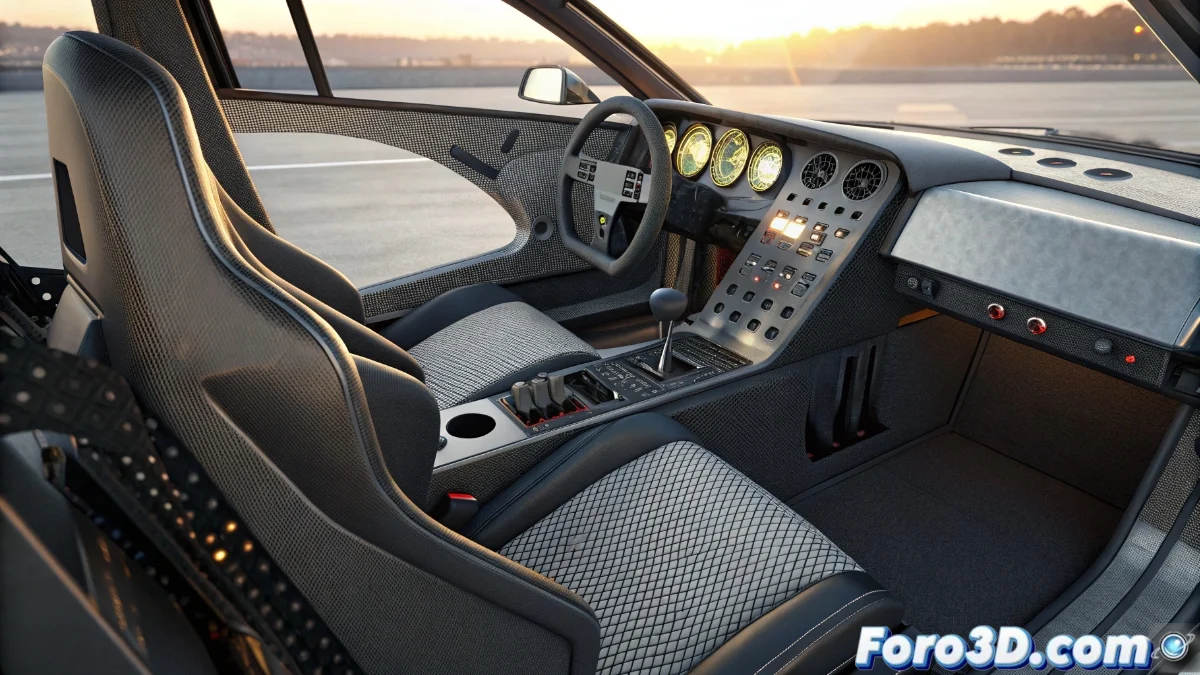
3D Printing in Endurance Racing: Key Technology for Maximum Performance
In the competitive universe of endurance racing, where events like the World Endurance Championship (WEC) and the iconic 24 Hours of Le Mans represent the ultimate challenge, 3D printing emerges as an indispensable technological solution for elite teams. 🏎️
Advanced Cockpit Personalization
Major manufacturers such as Porsche, Toyota, and Ferrari leverage this technology to develop components fully tailored to the individual needs of each driver. On-demand manufacturing allows for the creation of complex geometries that optimize both human performance and technical performance during the grueling 24-hour competitions.
Specific Applications in the Cockpit:- Custom seat inserts that perfectly adapt to each driver's anatomy
- Ergonomic supports for controls that improve accessibility and reduce physical effort
- Human-machine interface elements designed to maximize comfort during long sessions
The ability to produce parts on demand revolutionizes rapid adaptation to changing race conditions and specific needs of each driver
Thermal Control of Electronic Systems
3D printing demonstrates its critical value in the thermal management of the vehicle's electronic components. During endurance races, teams design specific solutions that keep electronic systems within their ideal operating ranges, preventing catastrophic failures.
3D Printed Thermal Components:- Custom heat sinks that optimize heat transfer in confined spaces
- Ventilation ducts with advanced geometries that maximize coolant airflow
- Specialized housings that integrate cooling functions with structural protection
Competitive Advantage in Maximum Demand
While drivers face extreme conditions in the cabin, 3D printing technology ensures that electronic systems maintain their optimal performance throughout the full twenty-four hours of competition. This synergy between human comfort and technical reliability represents the differential advantage that separates winning teams in an environment where every second counts and reliability is as crucial as pure speed. 🏆