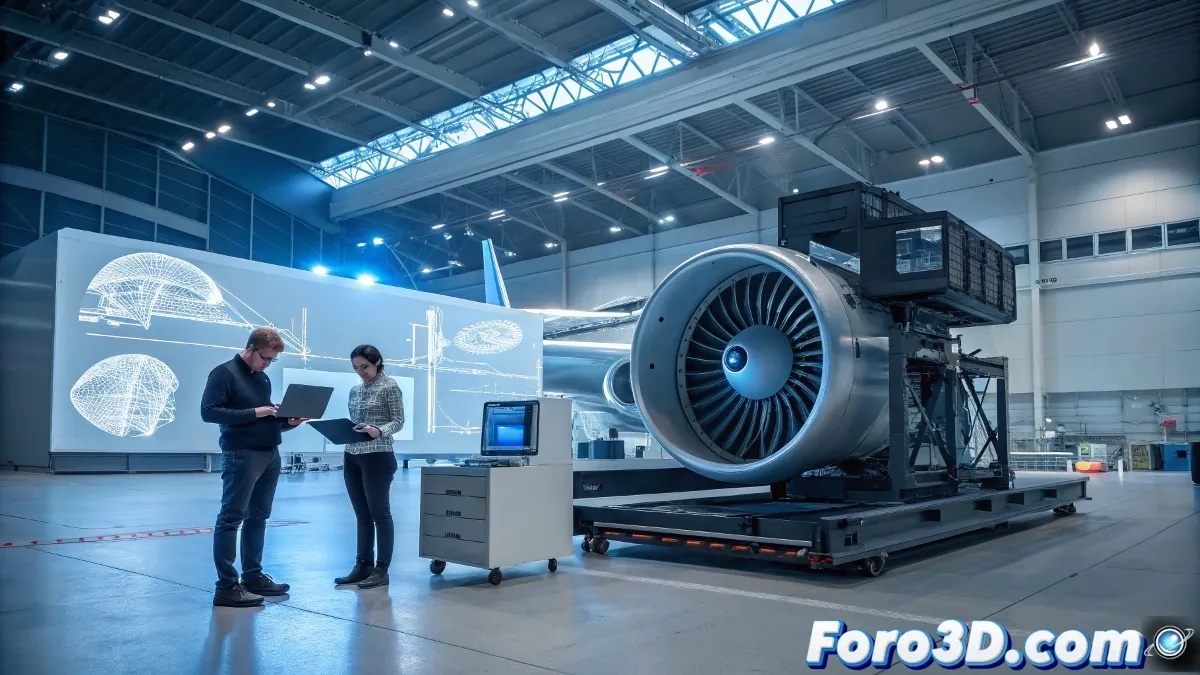
Current State of Additive Manufacturing in the Aerospace Sector
A comprehensive analysis of recent research reveals the complex landscape of 3D printing in the aviation industry. This systematic study identifies both opportunities and significant challenges for the large-scale implementation of these technologies.
"The adoption of additive manufacturing in aviation requires overcoming fundamental technical and regulatory challenges" - Researchers from the study
Main Obstacles Identified
The findings highlight several key limitations:
- Incomplete certification processes for critical components
- Variability in the quality of printed materials
- Lack of standardized validation protocols
Technological Trajectory
The evolution of additive manufacturing methods shows:
- Diversification of techniques and materials
- Increased focus on structural applications
- Development of hybrid systems
Economic and Ecological Impact
The analyses present mixed conclusions:
- Potential savings on complex parts
- High initial implementation costs
- Consistent environmental benefits in waste reduction
Strategic Use Cases
The most promising applications include:
- Spare parts supply chain
- Distributed production
- Topological optimization of components
Priority Areas for Research
The studies point to the need to advance in:
- Process simulation
- Post-processing techniques
- Integration of digital technologies
Regulatory Landscape
The current regulatory framework presents:
- Initial standardization efforts
- Lack of international harmonization
- Need for professional qualification