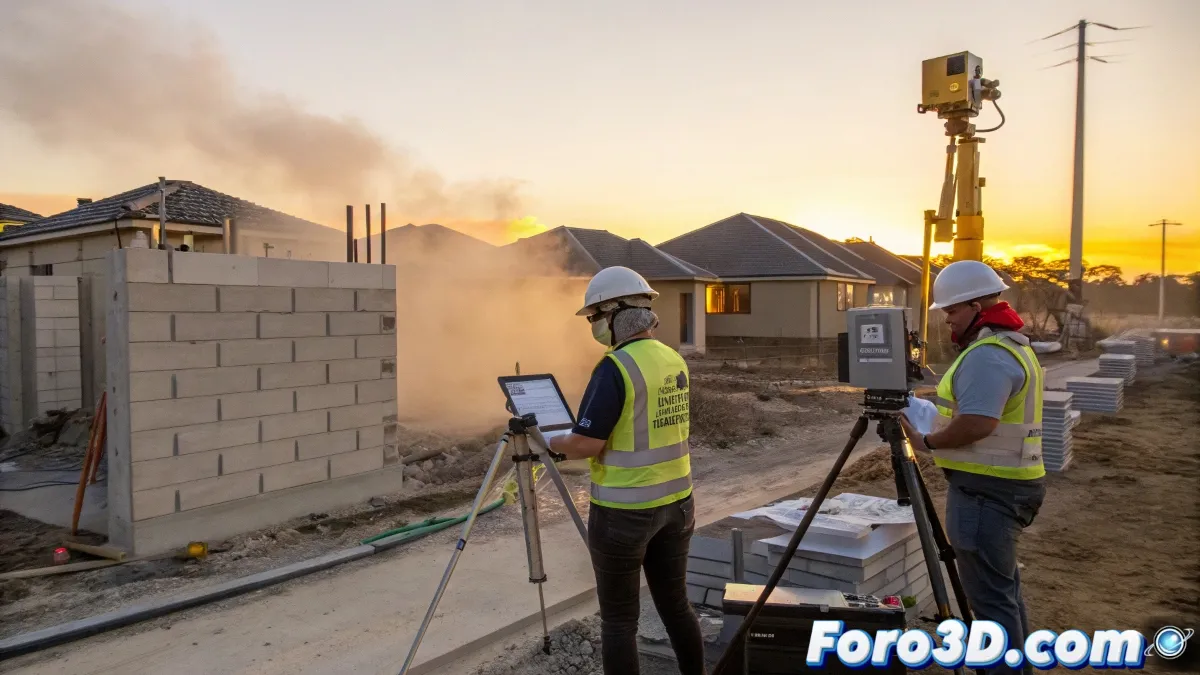
Construction Evolves with 3D Printing Technology
In a residential area of Perth, Western Australia, a building has been erected that marks a milestone in the history of modern architecture. This two-story structure was not built using conventional methods, but was manufactured through a three-dimensional printing process that deposits layers of specialized material with millimeter precision.
The Revolutionary Process Behind the Walls
The technology used comes from European developments adapted to local needs. A small team of operators can control the robotic system that prints the building's main structures. The data reveal notable efficiencies:
- 70% reduction in wall construction time
- 40% decrease in material waste
- 60% optimization in labor requirements
Performance in Extreme Conditions
The most remarkable aspect of this construction method is its resilience. Tests conducted demonstrated that the printed material maintains its structural properties even when:
"Ambient temperatures exceed 40 degrees Celsius or when exposed to adverse weather conditions during the manufacturing process"
Expansion of Construction Technology
The drivers of this technological advance foresee applications that go beyond the residential sector. The system shows potential for:
- Rapid construction of infrastructure in remote areas
- Emergency building in disaster situations
- Development of architectural complexes with organic designs
International Adoption of the Method
Several countries have begun implementing similar systems, adapting them to their geographical and climatic particularities. The most notable cases include projects in:
- Mountainous areas of Switzerland with complex geometries
- Desert regions of the Middle East
- Tropical zones of Southeast Asia
Experts agree that this technology does not seek to replace traditional methods, but to offer an efficient alternative for specific situations where conventional construction presents limitations.