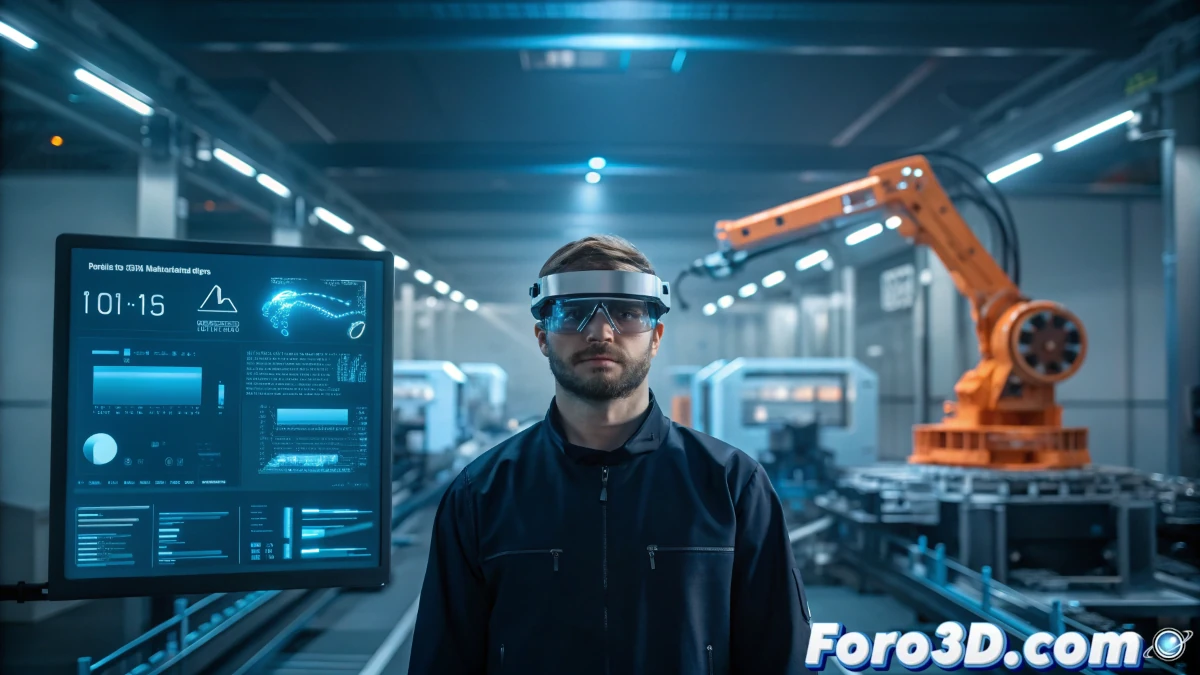
A Technology Redefining Production
Since its appearance, 3D printing has evolved from being a technological curiosity to becoming a fundamental tool in multiple sectors. Thanks to its ability to manufacture parts with great precision and at low cost, this technology has enabled the creation of customized products and has optimized manufacturing processes.
The Rise of Affordable Printers
The arrival of affordable 3D printers has boosted their popularity worldwide. Emerging companies have managed to develop cheaper and easier-to-use devices, allowing both hobbyists and small businesses to experiment with this technology.
“3D printing is no longer an exclusive tool of large industries; now anyone can access it.”
Impact on Manufacturing and Mass Production
The use of 3D printing in industrial production has caused a change in the way products are designed and manufactured. Some key advantages include:
- Cost reduction: by manufacturing only what is necessary, material waste is avoided.
- Customized production: unique parts adapted to specific needs can be created.
- Decentralized manufacturing: instead of depending on large factories, objects can be produced anywhere.
Innovation in Materials and Techniques
In addition to traditional plastics, advances in 3D printing have enabled the use of new materials such as metals, ceramics, and even biomaterials. This has expanded its applications in areas such as medicine, construction, and aerospace engineering.
Towards a More Efficient Future
3D printing continues to evolve, with improvements in speed, precision, and variety of materials. As more sectors adopt this technology, its impact on global production will be even greater, redefining the way products are created and distributed in the modern world.