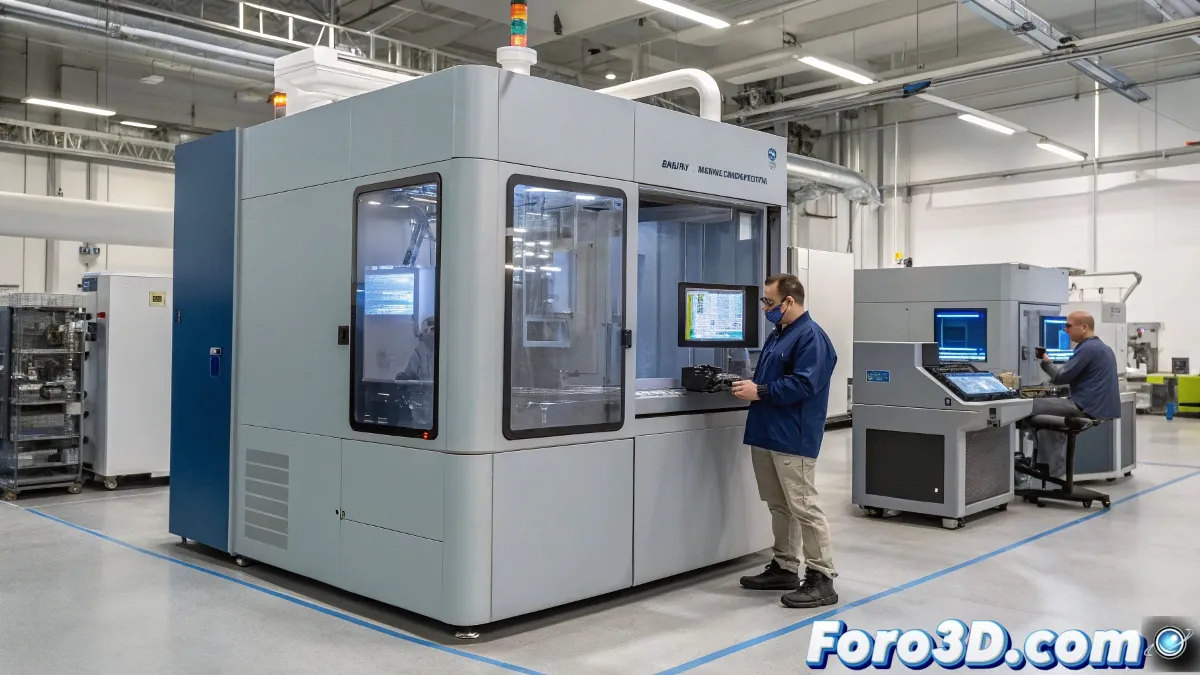
The industrial revolution in the era of 3D printing
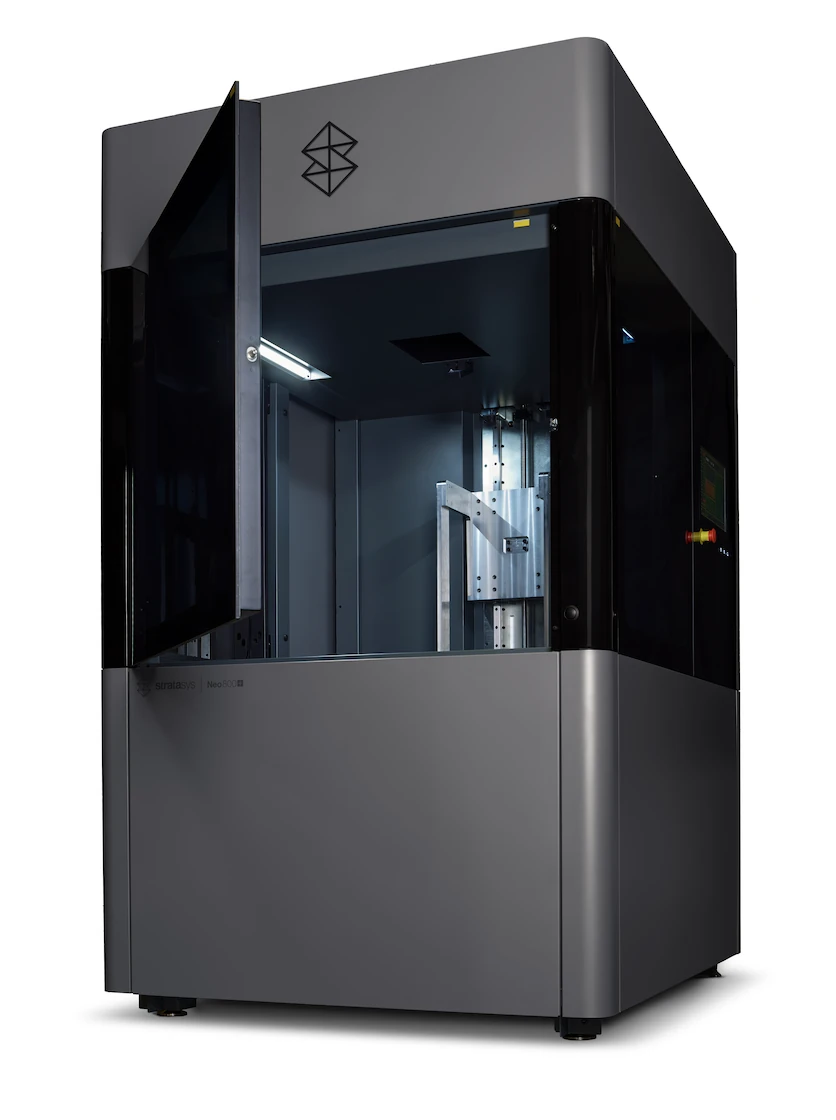
Additive manufacturing has reached a new milestone with technologies like the Neo800+, an industrial printer designed to combine speed, precision, and adaptability. This equipment not only redefines the limits of production in key sectors such as aeronautics and automotive, but also incorporates artificial intelligence to optimize processes that previously depended exclusively on human expertise.
Innovation in speed and precision
One of the most outstanding aspects of this technology is its ability to reduce manufacturing times without compromising quality. Through advanced systems like ScanControl+, it achieves up to a 50% increase in productivity compared to previous models. This is crucial in applications where every minute counts, such as the creation of functional prototypes or components for aerodynamic testing.
- Automatic error detection through intelligent sensors
- Real-time calibration to maintain process stability
- Compatibility with high thermal and mechanical resistance materials
Connectivity and intelligent automation
The Neo800+ is part of an integrated digital ecosystem, where cloud platforms and AI algorithms work together to simplify the workflow. From design to post-processing, every stage benefits from predictive analytics, reducing the need for constant supervision and minimizing errors.
"The combination of robust hardware and intelligent software is transforming 3D printing from a complementary technology to a backbone of modern industry."
Advanced materials for complex challenges
Along with technical improvements, new compounds have been developed that expand application possibilities. Specialized resins now allow the creation of parts with exceptional optical properties or chemical resistance, ideal for:
- Sterilizable medical devices
- Automotive components exposed to high temperatures
- Translucent prototypes for fluid studies
The invisible role of artificial intelligence
Behind every successful print, machine learning systems analyze millions of data points to adjust parameters such as temperature, speed, or light exposure. This self-optimization capability not only improves results but also opens the door to mass production of customized parts, a dream that is now becoming reality thanks to the convergence between manufacturing and intelligent algorithms.