The adoption of 3D manufacturing in the defense sector is gaining momentum, and the UK has taken a significant step in this process. Babcock International has achieved a major breakthrough by delivering its first work package under the Project Tampa, an initiative by the UK Ministry of Defence, which uses additive manufacturing technologies to improve parts availability and the performance of military equipment.
The Start of Project Tampa
The project began in 2023 with the goal of modernizing the British army through the use of 3D manufacturing. The key objectives of the initiative include:
- Improving the availability of critical materials.
- Reducing parts obsolescence.
- Lowering production costs.
- Improving the performance of defense systems.
This approach aims to make defense systems more agile and adaptable to the country's changing needs.
Collaboration and Technological Advances
Babcock, in collaboration with companies such as NP Aerospace and Rheinmetall BAE Systems, has integrated 3D printing into the production of parts for various military platforms. Among the most notable examples are:
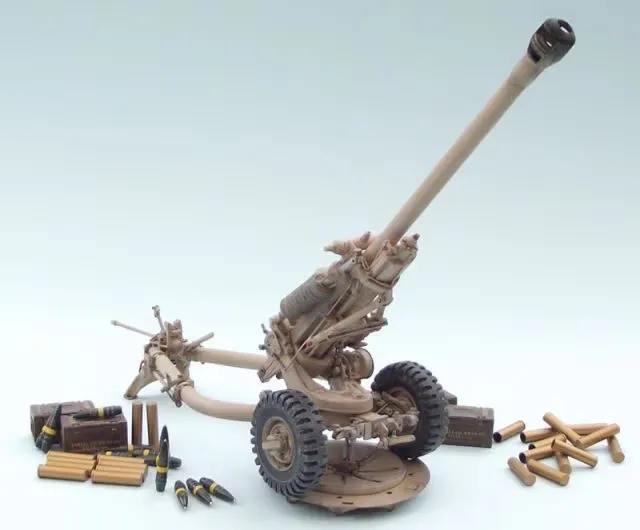
- Development of a part for the British army's cannon.
- Manufacturing of components for the navy's frigates.
- Creation of parts for the British fleet's advanced submarines.
These parts are crucial due to the precision and durability they offer, allowing defense equipment to function in extreme conditions.
Benefits of 3D Manufacturing in Defense
The implementation of 3D manufacturing presents several advantages, including:
- The ability to create high-precision parts tailored to specific needs.
- The reduction of lead times for part manufacturing, eliminating the long timelines of traditional production.
- Improved efficiency of defense systems by having parts available when needed.
These innovations are changing the landscape of UK defense, enabling the armed forces to maintain more agile and cost-effective operations.
Collaboration and Results
Babcock's success in Project Tampa is the result of close collaboration with other companies and the Ministry of Defence. Through joint work, complex challenges have been overcome, demonstrating how 3D manufacturing can solve critical problems and improve the performance of defense equipment.
"3D manufacturing has been a key tool for improving parts availability and making defense operations more agile and cost-effective."
In summary, the use of 3D printing is revolutionizing the production of military equipment in the UK, opening new possibilities for national defense.