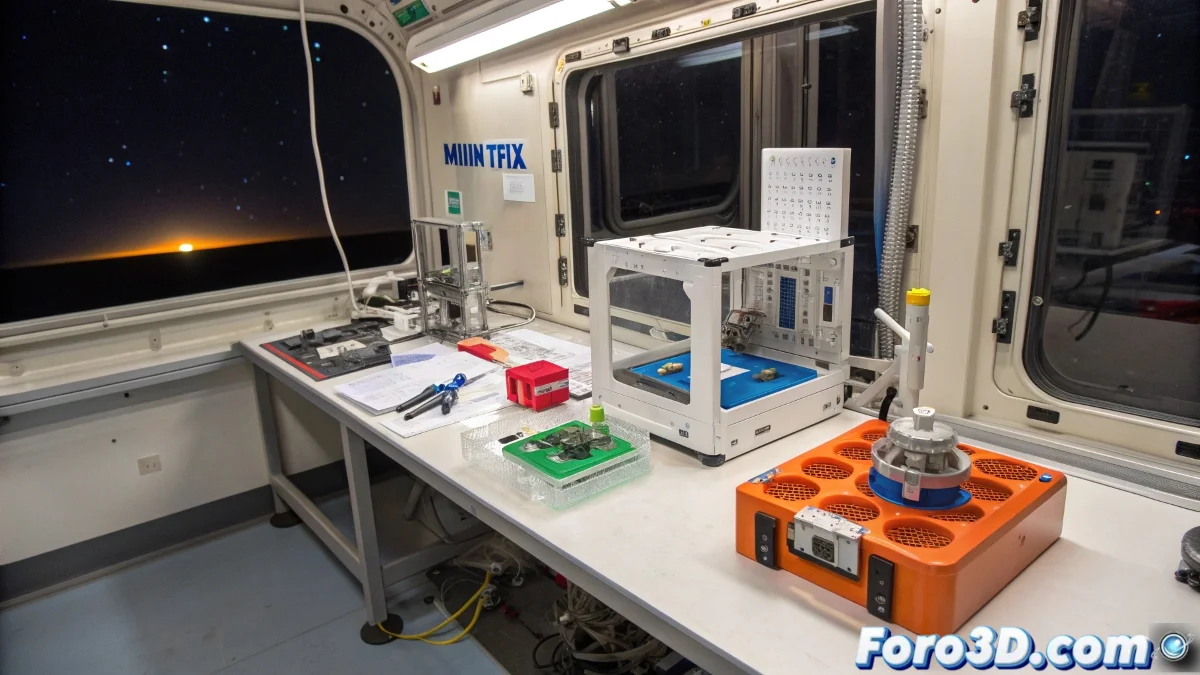
When Your 3D Printer Decides to Conquer Space
In a world where even the microwave is smart, it turns out that home 3D printers are plotting their space conquest 🚀. MiniFix, that piece that looks like it's from a typical weekend project, has decided its destiny lies among the stars. And the best part: it doesn't need a NASA budget, just a maker with coffee and patience.
"In space, no one can hear your extruder jam - but it's still better if it doesn't happen"
From Your Workbench to Earth's Orbit
The fascinating thing about this project is that it demonstrates that space technology no longer requires ultra-secret factories. With a common printer, decent filament, and some slicer adjustments, anyone can manufacture components for scientific missions. That said, your boss probably won't accept "I was printing parts for the ISS" as an excuse for being late.
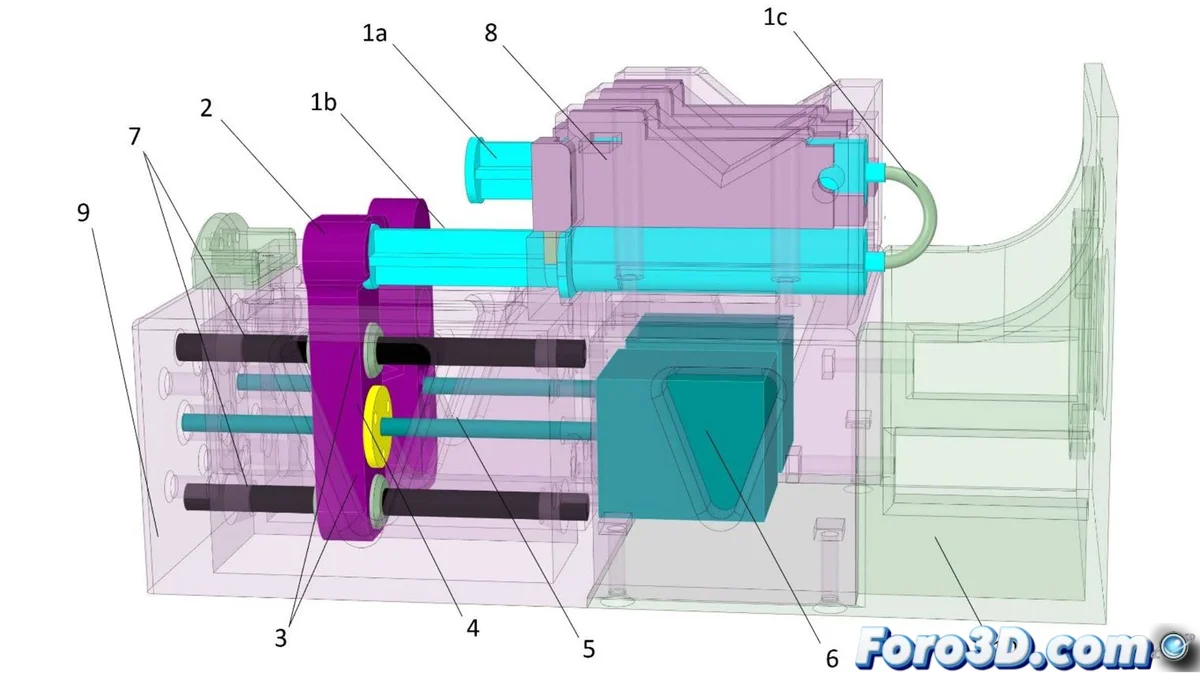
The Magical Trio of Space Filaments
The beauty of the modular design lies in its adaptability. Depending on the needs, you can choose from:
- PLA: For when you want lightness (and popcorn smell)
- PETG: When the mission requires extra durability
- Special bioplastics: For those "eco-friendly" moments in vacuum
The important thing is to remember that there are no filament stores in space, so better not mess up when loading the spool 👨🚀.
Maker Engineering: When Everything Serves a Greater Purpose
The brightest trick is the use of residual engine heat. Instead of spending extra energy, they leverage what would normally be a problem to keep the samples at the ideal temperature. It's like when you discover that your laptop's heat can keep your coffee mug warm, but in a scientific version without staining keyboards.
Extreme Tests for Ordinary Parts
Vibration and pressure tests have proven that these parts can withstand conditions that would make most IKEA furniture cry. And the best part: without needing special reinforcements, just good design and appropriate printing parameters. Though you probably shouldn't try this with that low-resolution Pikachu figurine you printed.
In the end, the message is clear: the next space revolution could emerge from your workshop. Or at least, you could print the astronauts' coffee holder. And if all else fails, you can always say you were testing zero-gravity technology... while picking up the pieces from the floor 😅.