When 3D Printing Disguises Itself as Nature 🦋
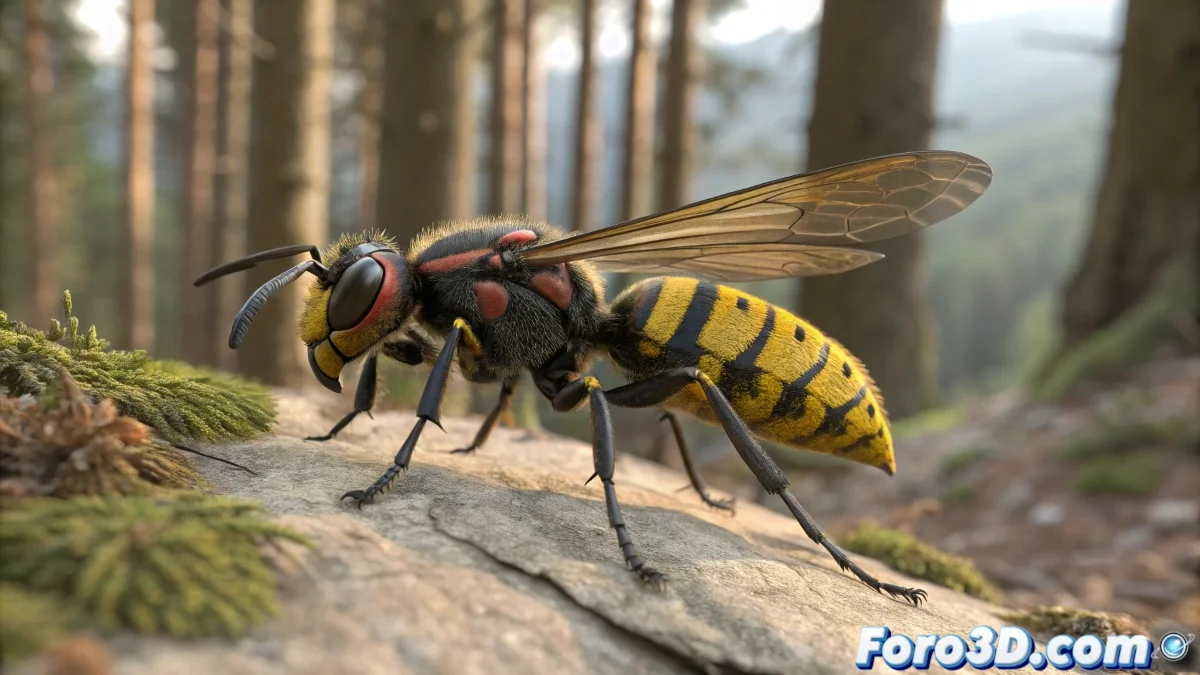
A team of scientists and engineers from the University of Nottingham has turned the study of animal mimicry upside down... literally. By creating 3D-printed insects so realistic that even predators are fooled, they have uncovered evolutionary secrets that had been hidden for millions of years. And the best part: without needing to step into any muddy puddles.
The Perfect Deception: Science with a 3D Printer
Using 3D scanning and advanced resin printing techniques with integrated color, the researchers created:
- Exact copies of real insects
- Modified variants that do not exist in nature
- Models with different color patterns
"Birds aren't as picky as a Photoshop jury," one of the researchers commented ironically.
When Movement Comes into Play
In Portugal, the experiment took an unexpected turn. Crab spiders completely ignored the static models... until movement was added with Arduino controllers. This revealed that for some predators, movement is more important than appearance. Any lessons for 3D animators? 🕷️
Applications for Digital Artists
This study offers valuable lessons for 3D creators:
- Controlled morphing techniques for realistic variations
- Use of PBR textures to recreate natural surfaces
- Integration of physical movement in small models
So now you know: the next time you complain about modeling that insect for your project, think that you might be contributing to science... or at least fooling some clueless bird. 🐦