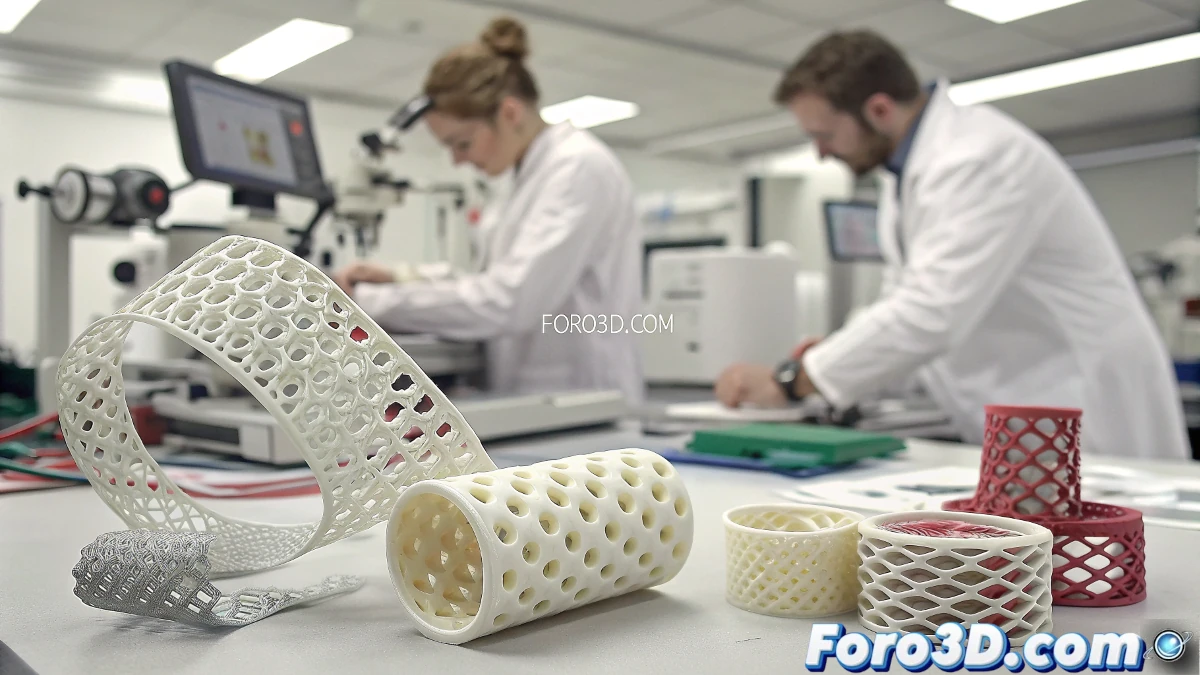
An innovative European project called ANIPH aims to develop biodegradable bandages and sustainable packaging for use in humanitarian emergency situations. The initiative, which will span four years, will employ polyhydroxyalkanoates (PHA), a family of biodegradable polymers that can completely decompose in soil, freshwater, and marine environments.
A Sustainable Alternative to Traditional Bandages
The purpose of ANIPH is to replace conventional cotton bandages with a more advanced option made from PHBV, a type of PHA with superior properties. Although cotton is biodegradable, it lacks antimicrobial effects, necessitating the use of additional antibiotics. To address this issue, the project will incorporate probiotic cellulose into the bandages, reducing the need for antibiotics and minimizing bacterial resistance.
3D Printing for Bandage Customization
The University of Granada will lead the manufacturing of these bandages using 3D printing, allowing adjustment of their thickness and porosity according to the needs of each wound. In parallel, the Agricultural University of Athens will use artificial intelligence to predict biodegradation rates, ensuring the materials are safe for the environment.
Sustainable Production Using Agricultural Waste
To reduce costs and improve process sustainability, ANIPH will use organic waste such as hydrolyzed yeast from the brewing industry and sugar-rich agricultural byproducts. Additionally, the project will employ halophilic microorganisms, capable of working in non-sterile conditions, reducing energy consumption and production costs.
Reduction of Emissions and Waste Management in Humanitarian Crises
It is estimated that this initiative could reduce CO2 emissions by 43% for packaging and 68% for bandages, compared to fossil fuel-based alternatives. It is also expected to eliminate 12,930 tons of hazardous substances and recirculate 1,475 tons of biomass. To ensure effective implementation, the project will collaborate with NGOs and healthcare experts on waste management strategies in crisis scenarios.
Impact on the Future of Emergency Medical Care
3D-printed biodegradable bandages represent a revolutionary alternative for wound treatment in emergency situations. Their innovative design and production from renewable materials could reduce dependence on synthetic supplies, improve access to effective dressings, and decrease environmental impact in areas affected by humanitarian crises.
“This type of innovation in bandage manufacturing could radically change the way medical supplies are managed in crisis contexts.”
Thanks to the combination of biotechnology, 3D printing, and artificial intelligence, ANIPH paves the way toward a more sustainable future in humanitarian medical care.