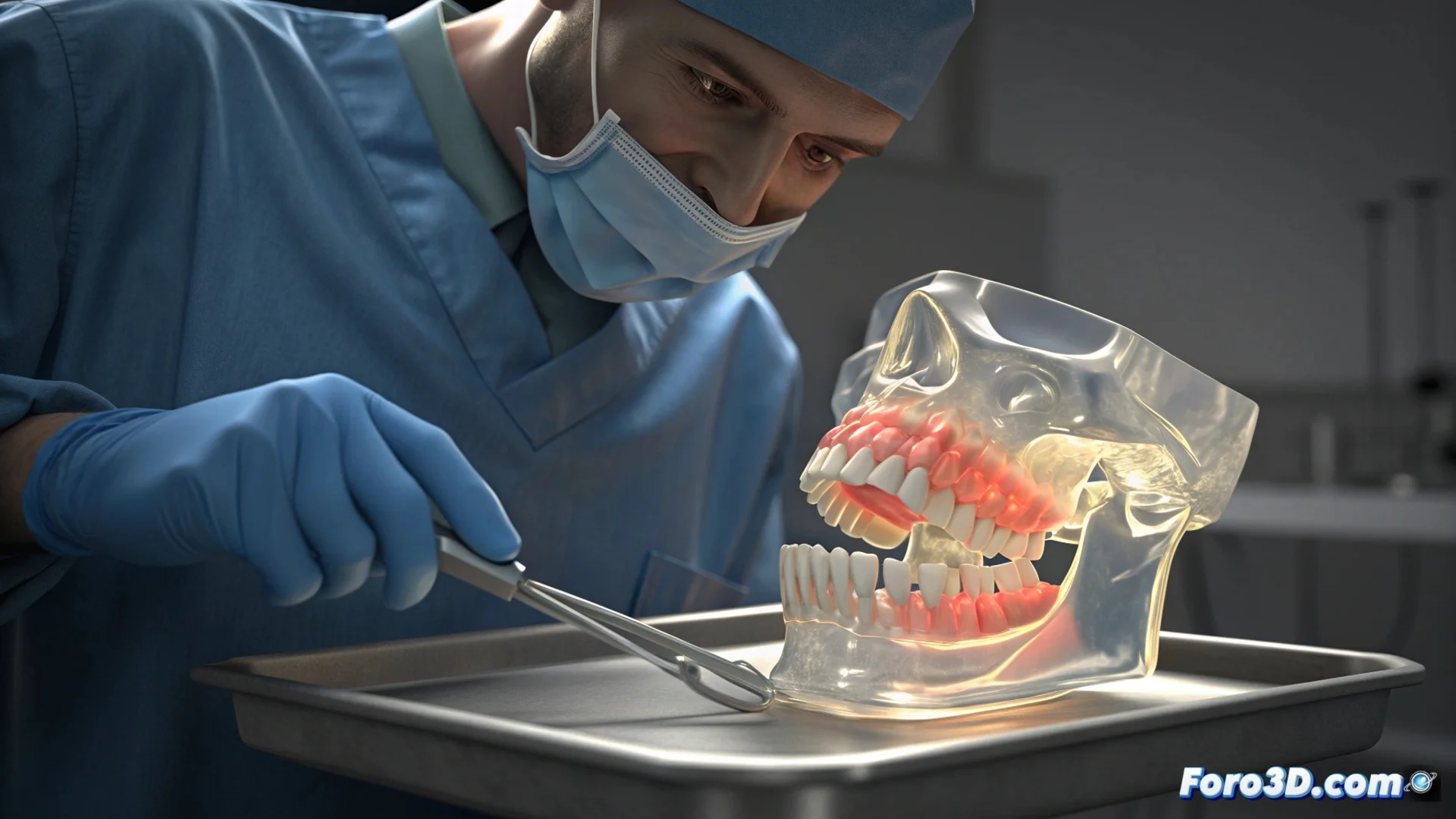
3D-Printed Anatomical Models Personalize and Improve Oncological Surgery
3D printing technology is transforming complex medical procedures, such as tumor removal in delicate areas. Creating exact physical replicas of a patient's anatomy allows surgical teams to prepare interventions with unprecedented detail. 🏥
Tangible Precision in the Operating Room
Studies, such as those conducted at the Ohio State University Comprehensive Cancer Center, demonstrate that using 3D-printed surgical guides significantly improves outcomes. In a high proportion of head and neck cancer cases, surgeons successfully remove all malignant tissue while maintaining clear cancer-free safety margins. Achieving these clean margins is essential to prevent the disease from recurring.
Key advantages of customized 3D models:- Allow planning and rehearsing the surgery in advance and safely.
- Serve as a physical guide during the operation, complementing on-screen images.
- Help preserve more healthy tissue and reduce the duration of the procedure.
The model, which faithfully replicates the jaw, teeth, and the exact location of the tumor, provides a tangible reference that enhances the precision of the surgical gesture.
From Patient Scanner to Sterilizable Model
The process to obtain these tools begins with CT scans or MRIs of the patient. A specialized team processes this data to design a customized digital 3D model. It is then printed with biocompatible materials that can be sterilized for use in the operating room.
Development phases:- Acquire detailed medical images of the affected area.
- Design and prepare the digital file for 3D printing.
- Manufacture the physical model with materials suitable for medical environments.
A More Accessible Future
Currently, producing each custom model requires time and specialized resources, limiting its use to centers with advanced technology. However, the progressive cost reduction of 3D printing and the increasing availability of medical equipment point to broader adoption in the future. This innovation not only optimizes the surgeon's work but also helps explain the procedure to the patient, which can reduce their anxiety before the operation. 🔬