3D Models Plan the 2026 Winter Olympics
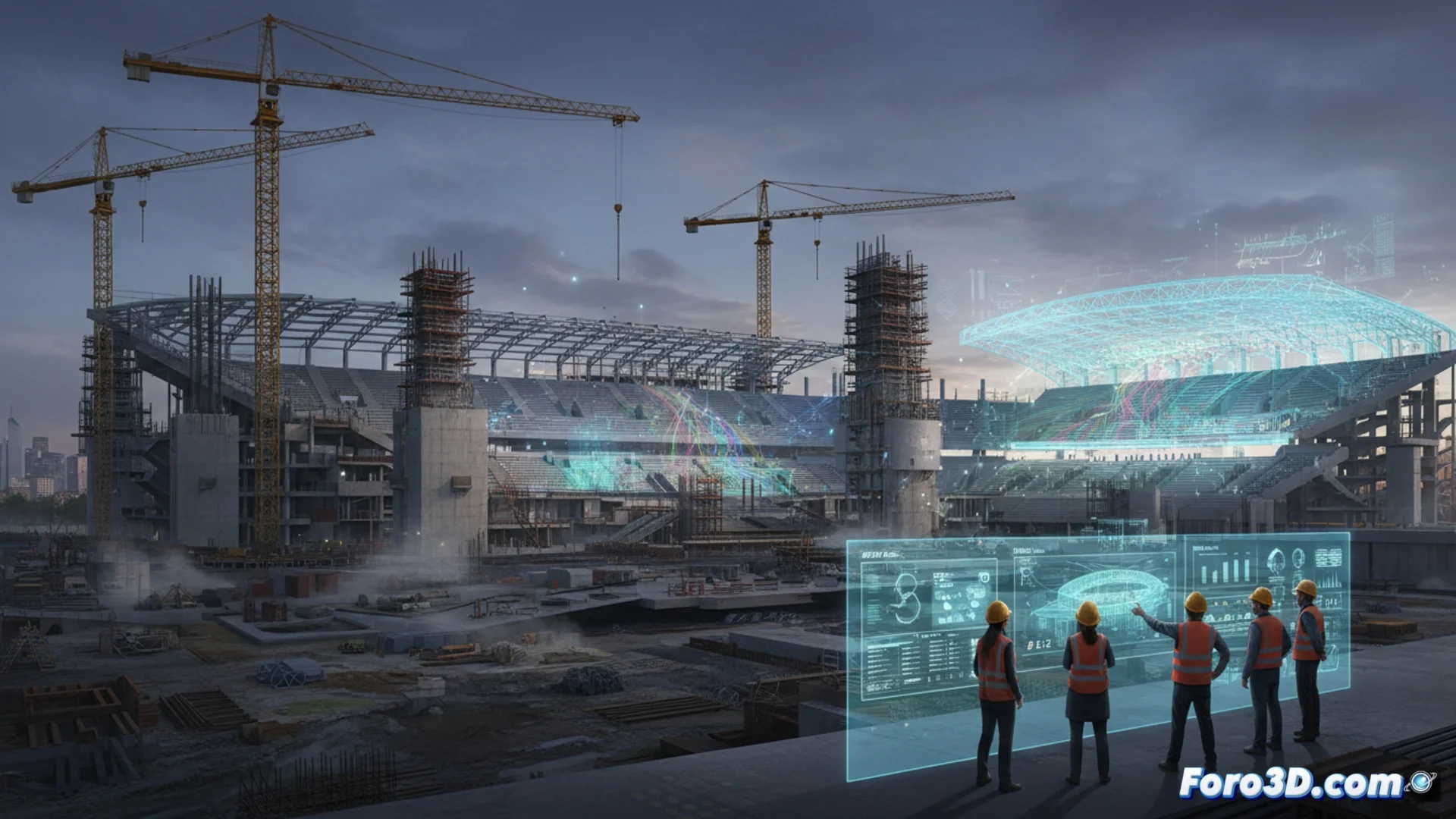
Preparations for the Winter Olympics to be held in Milan and Cortina in two years are driving the use of three-dimensional virtual environments. These digital platforms are essential for organizing competitions and transforming the host cities. They enable designing facilities, coordinating complex logistics, and predicting how fans will move around. This method facilitates analyzing whether ideas are feasible and refining the use of available funds, a crucial factor given the usual delays and budget overruns in projects like the new ice palace. 🏗️
Digital Simulation Minimizes Economic Risks
With an investment exceeding 3.5 billion dollars and a potential economic impact of up to 5 billion euros, the risk of creating underutilized infrastructure is evident. Recreating everything in a digital space before building any walls allows testing different options, such as rotating venues between cities or adapting existing facilities. This way, poor planning issues are countered, and large investments in buildings that could end up empty after the event are prevented. 💰
Key Advantages of Planning with 3D Models:- Test Alternatives: Quickly evaluate different designs and locations for venues.
- Manage Crowds: Simulate spectator flows to improve safety and access.
- Control Costs: Identify and correct potential overruns in early project phases.
Nothing guarantees success like spending billions on a giant ice rink and then wondering now what do we do with this? while the 3D model had already suggested it.
The Value of 3D Technology Endures Beyond the Games
Beyond coordinating a one-time event, these techniques leave a valuable technical legacy for city management. Detailed digital models are later used to regulate traffic, prepare emergency plans, or design public spaces more efficiently in the long term. Therefore, the investment in 3D modeling not only aims for the Games to run smoothly but also for host cities to enhance their ability to organize and expand sustainably once the competition ends. 🌆
Post-Event Applications:- Urban Mobility: Use simulation data to optimize traffic lights and public transport.
- Crisis Management: Plan emergency responses based on evacuation models.
- Urban Development: Use the models as a base for future city renovation or expansion projects.
A Strategic Approach for the Future
Implementing advanced 3D simulations marks a before and after in how major sports events are approached. It is not just a one-off planning tool, but a methodology that redefines the relationship between ephemeral infrastructure and permanent urban development. By integrating these systems, cities not only prepare for two weeks of competition but acquire a digital twin that will help them make smarter decisions for decades. The key is to look beyond the podium and build a legacy that truly benefits the community. 🥇