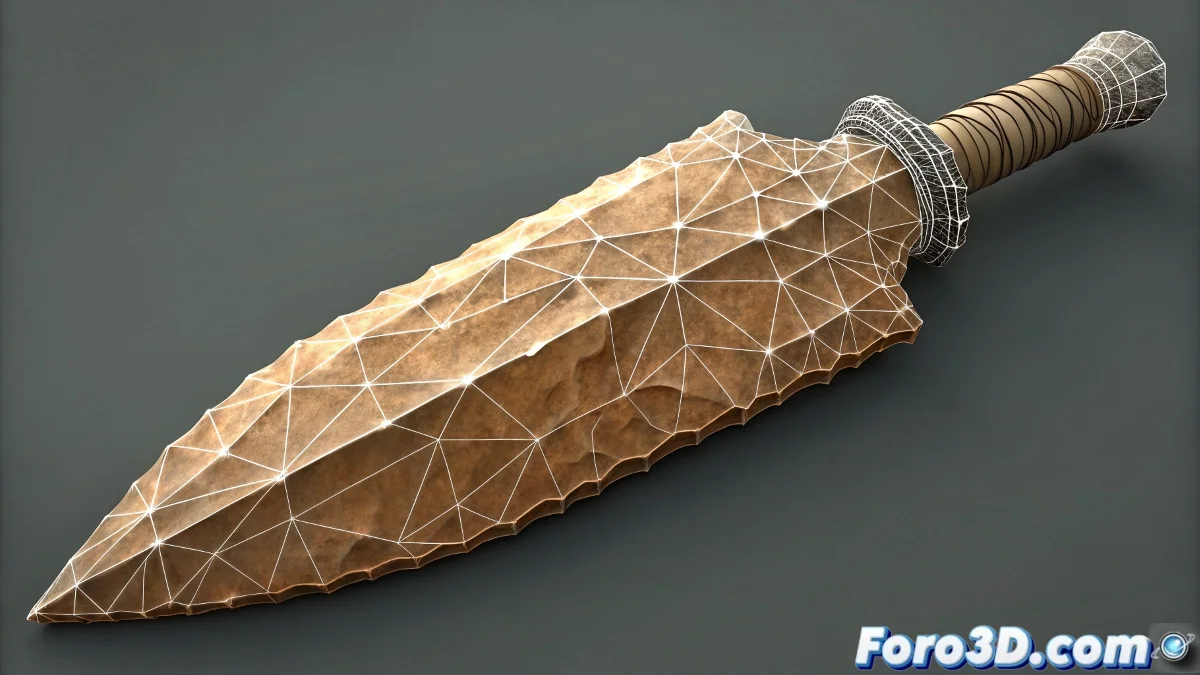
When Neolithic Technology Meets 3D Modeling ⚒️
In Romancos, Guadalajara, 5,000-year-old flint workshops are getting a digital makeover. What was once just stone and dust now becomes 3D models that reveal the secrets of humanity's first artisans. Because, let's be honest, if Stone Age men had had Blender, they would have created true wonders (and probably stone memes).
What time eroded, photogrammetry revives: every cut, every fracture, and every forgotten technique of our carving ancestors.
Capturing the Essence of Stone
The digitization process includes:
- High-precision photogrammetry to capture every detail of the tools
- Laser scanning of the sites and workshops
- Digital reconstruction of missing pieces using historical references
The result is models so detailed you can almost feel the edge of the flint... though better not to try it literally. ✨
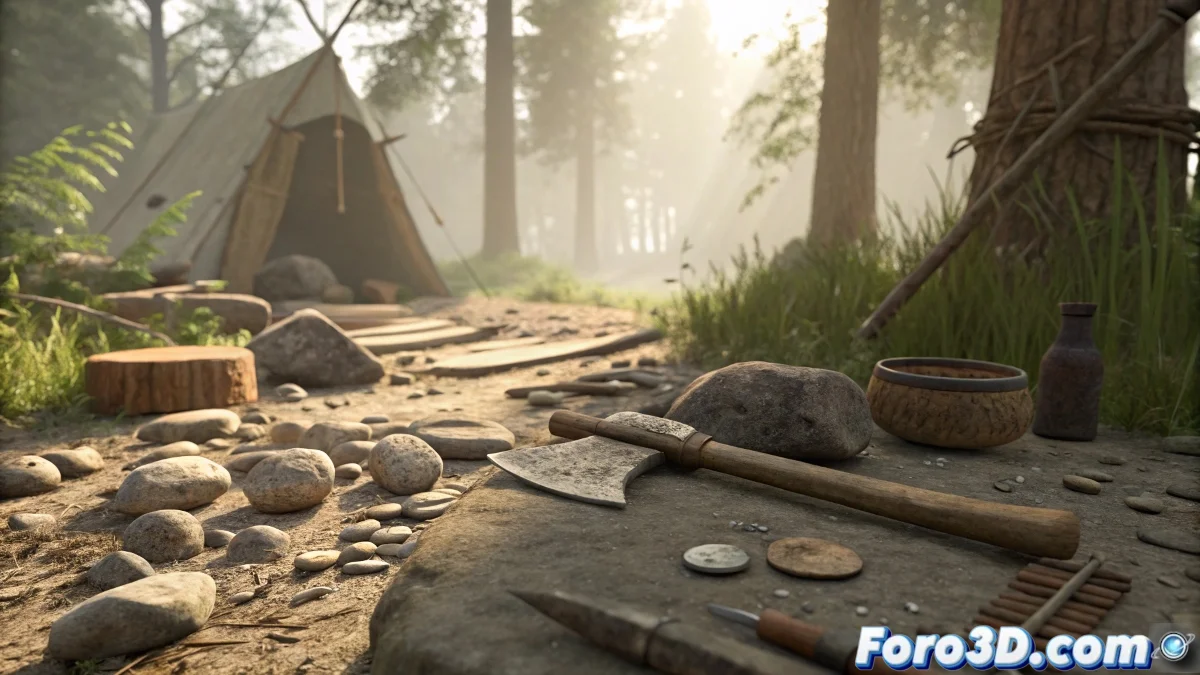
Animating Millenary Techniques
The 3D artists are recreating:
- The complete carving process, from raw rock to finished tool
- The percussion and pressure techniques used by the artisans
- The everyday use of these tools in prehistoric life
All with such precision that it would make any archaeologist cry with emotion (and some 3D modeler after 20 straight hours of work).
Augmented Reality: Journey to the Neolithic
These reconstructions enable:
- Virtual visits to prehistoric workshops
- Educational applications that teach how to make flint tools
- Interactive museum experiences where you can "handle" digital replicas
The best part? You can mess up carving your virtual tool without ending up with hands full of cuts, unlike our ancestors. 🖐️
Bridging Two Technological Revolutions
This project connects humanity's first great technological revolution (stone working) with the most recent one (3D modeling). While ancient carvers spent years mastering their art, we can learn their techniques in minutes thanks to virtual reality. Though, to be fair, they didn't have to deal with software updates or overheating graphics cards.
Now, if someone finds the original tutorial "How to Carve Flint for Beginners," let us know... though it's probably written in pictograms.