When 3D Printing Lends You Some Fingers 🖨️
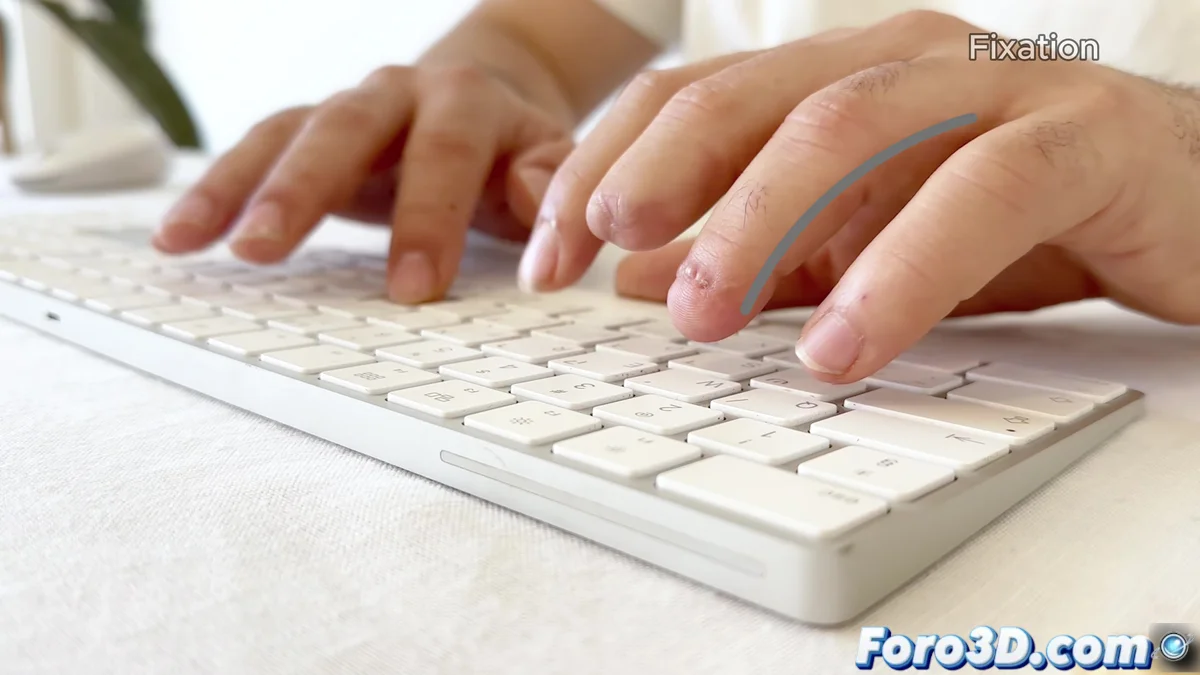
Typing on a keyboard with missing fingers is like trying to clap with one hand: technically possible, but frustratingly limited. Fortunately, 3D printing comes to the rescue with solutions that would make the most boastful fingers blush. The case of Yoni, a tech professional with two fewer fingers, demonstrates that with creativity and melted plastic, even the most rebellious keyboard can be tamed.
Technology shouldn't be a privilege for those of us with all our appendages intact. Sometimes it just takes a stubborn engineer and a 3D printer to level the playing field.
From Failed Prototype to Functional Gadget
Roei, the engineer behind this invention, quickly learned that designing for real needs isn't like making decorative figurines. His process included:
- Five versions that looked like they came from a bad science fiction movie
- Three existential crises over tilt angles
- A eureka moment in the shower (like all great discoveries)
- Finally, a design that didn't make the user look like a James Bond villain
The final result allows typing with the elegance of a pianist, though probably without playing Moonlight Sonata. 🎹
The Magic of Customizing Without Factories
The revolutionary aspect of this solution isn't the plastic (although it helps), but the accessibility. Anyone with a basic 3D printer can manufacture these pieces, modify them according to specific needs, and even add style. Who said assistive devices can't have a favorite color or fun patterns?
Materials range from practical PETG to more professional SLS nylon, because in the 3D printing world there are options for all budgets. And if the grip fails, there's always the old silicone trick, that maker's lifesaver that should come with a warning for possible addiction.
Why This Project Matters Beyond the Keyboard
This initiative represents three fundamental principles of current technology:
- Customization: tailor-made solutions, literally
- Sharing: files available for others to improve the design
- Empathy: technology that responds to real needs, not just trends
Additionally, it demonstrates that sometimes the best innovations don't come from big corporations, but from someone with a specific problem and the desire to solve it. 💡
And if one day the machines dominate us, at least we can say we started by lending fingers instead of taking them away. 🤖