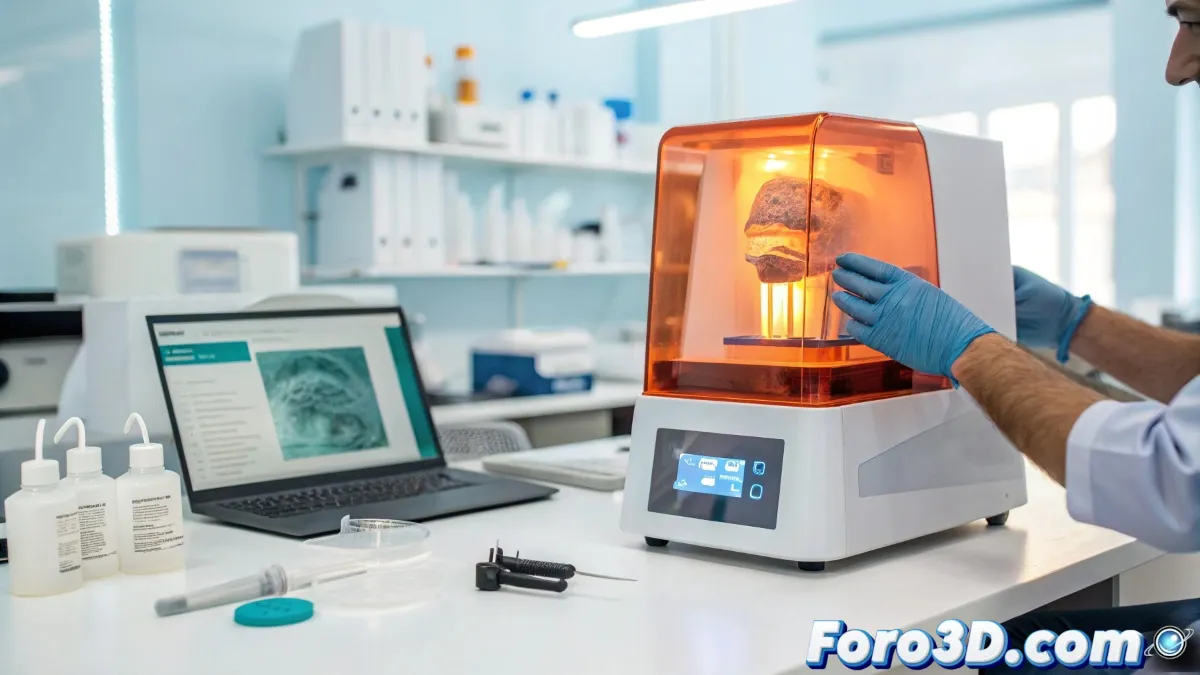
3D printing of occlusal splints and other dental devices can present various technical challenges. Below, solutions to the most common problems in printers such as the Elegoo Mars 3 Pro, Mars 5, and Anycubic Photon Mono M5s Pro are detailed.
Restart and Shutdown Issues on the Elegoo Mars 3 Pro
One of the most recurrent failures in the Elegoo Mars 3 Pro is restarting or shutting down during printing. Possible causes and solutions include:
- Electrical Verification: Check that the power supply and cable are in good condition. It is recommended to connect the printer directly to the wall outlet.
- Firmware Update: Reinstall the official firmware from scratch and reset to factory settings.
- Parameter Adjustment: Reduce excessive exposure times (14s normal / 25s base) to more appropriate values (8-10s normal / 20-25s base).
"Exposure times that are too high can generate stresses in the print, causing machine failures or incorrect adhesion to the FEP."
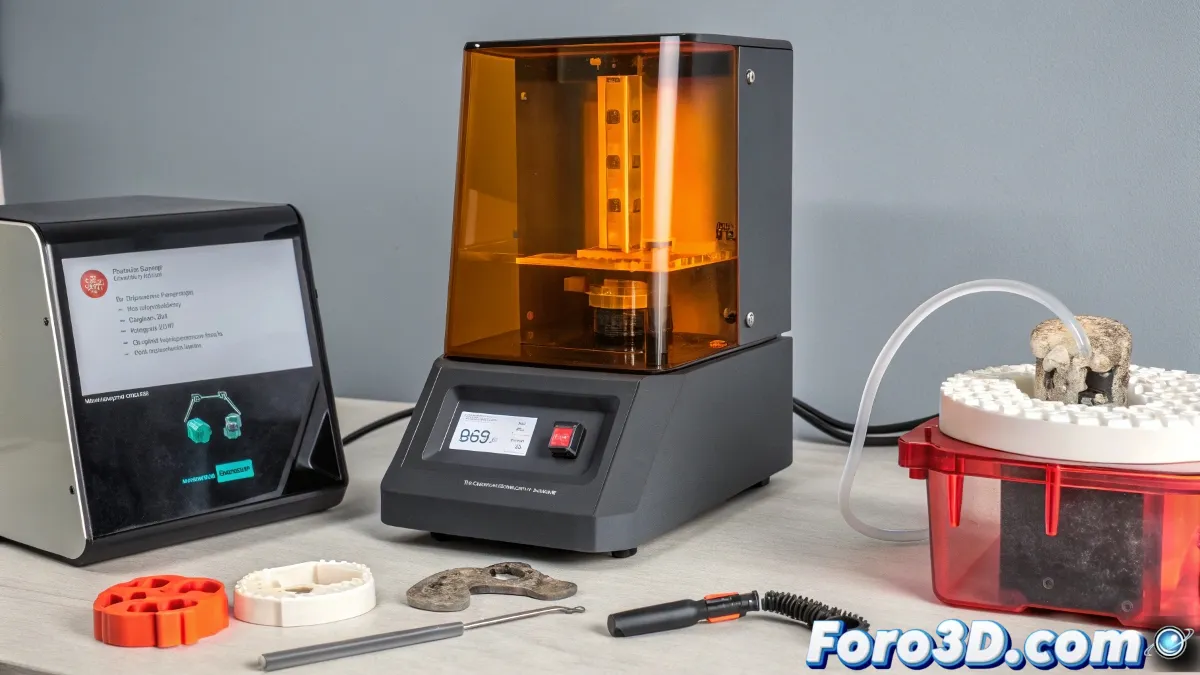
Adhesion Failures on the Elegoo Mars 5
When splints partially detach from the build plate on the Elegoo Mars 5, follow these steps:
- Correct Build Plate Calibration: Loosen the 4 screws, level with paper, and adjust in a cross pattern.
- Adhesion Improvement: Sand the build plate with coarse sandpaper (120-220 grit) and increase the base exposure time (35-40s).
- Orientation and Supports: Tilt the model 30-45° and add thick supports in critical areas.
Optimal Settings for the Anycubic Photon Mono M5s Pro
The KeySplint Soft Clear resin is compatible with the Anycubic Photon Mono M5s Pro (405 nm). The recommended parameters are:
- Layer Height: 0.05 - 0.1 mm
- Base Exposure: 25-30 s
- Normal Exposure: 2-3 s
- Lift Speed: 40-50 mm/min
General Recommendations for Dental Printing
Regardless of the printer model, these tips improve results:
- Maintain a stable ambient temperature (20-25°C).
- Use resins specifically for dental applications if problems persist.
- Clean the build plate with isopropyl alcohol after each print.
By following these guidelines, it is possible to optimize the 3D printing process for occlusal splints and other dental devices, minimizing failures and improving the final quality.