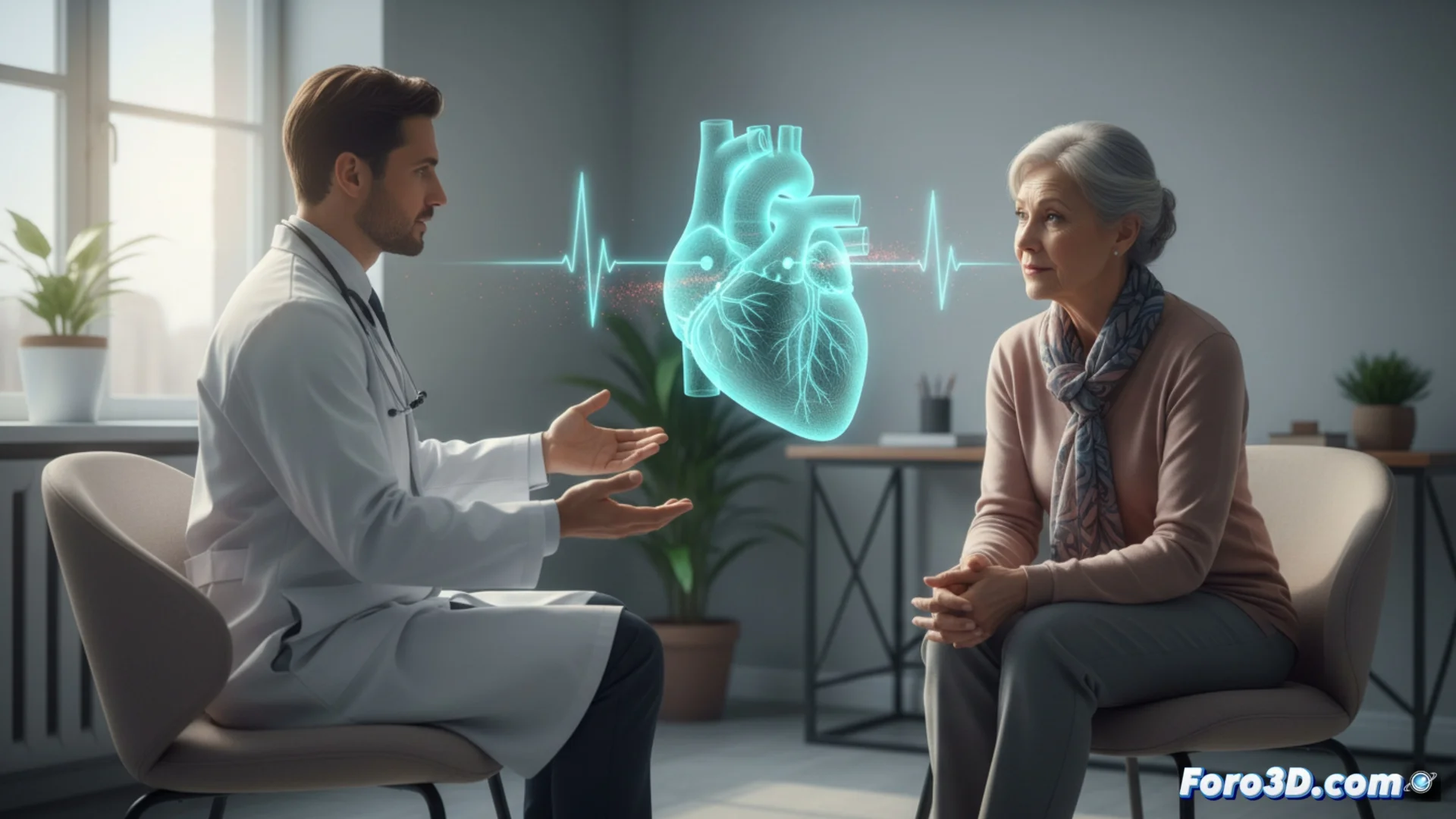
3D Animation Transforms Communication in Medicine
Three-dimensional graphics emerge as a fundamental resource for healthcare professionals to describe intricate medical processes. By observing in real-time how an organ behaves, a pathology progresses, or a medication operates, the person receives the information in a more comprehensible and direct way. This enables them to understand their clinical situation and treatment alternatives with greater depth, helping them make informed choices about their well-being. The technology turns complex ideas into accessible images. 🩺
Showing Body Structures and Interventions
3D anatomical models enable digital exploration of the body. A specialist can display the precise location of a lesion, the planned path for a surgery, or how a device integrates. The person does not need to decipher static diagrams or difficult technical language. Instead, they view an active recreation that details each phase. This transparency reduces stress before surgery and sets realistic expectations about outcomes and recovery.
Key advantages of using 3D models:- Virtually navigate the human body to locate problems.
- Plan surgical intervention routes with precision.
- Set realistic expectations about recovery.
A dynamic image is worth more than a thousand technical terms for a patient.
Recreating the Effects of Medications and Disease Progression
Animations also recreate phenomena at the microscopic scale. It is possible to demonstrate how an active ingredient binds to a specific target or how malignant cells divide and react to therapy. Understanding these internal mechanisms helps the person adhere to the treatment plan, as they know its goal and how it affects their body. Additionally, it allows doctors to explain possible adverse events in a graphical and unambiguous way, increasing patient safety.
Applications in pharmacology and pathology:- Illustrate the binding of a drug to specific receptors.
- Simulate cell proliferation in diseases like cancer.
- Communicate side effects in a visual and direct manner.
The Future of Medical Consultations
This tool redefines clinical interaction. Sometimes, the most effective explanation may include a digital journey through the individual's own veins, though they might prefer to enjoy an animated movie simply for entertainment. 3D animation not only informs but empowers, transforming the patient into an active participant in their healthcare. 🔬