30 Days of Darkness: when horror learned to bleed again
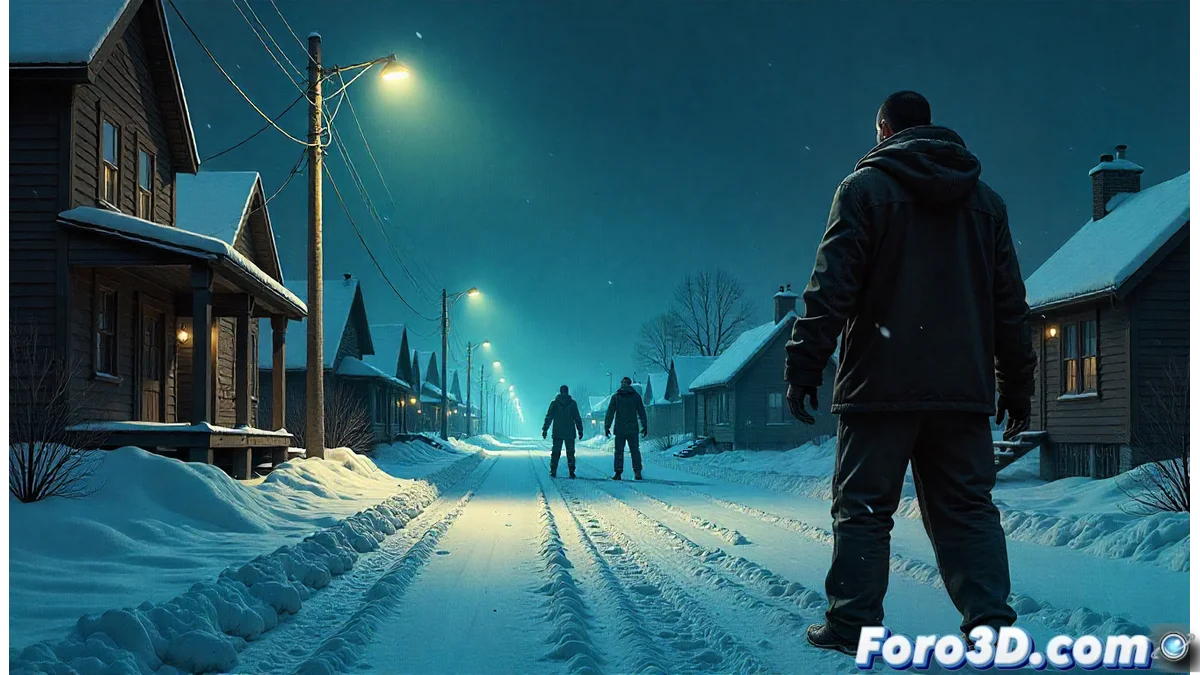
In 2002, the world of horror comics received a pure adrenaline injection with the launch of 30 Days of Darkness. The collaboration between writer Steve Niles and artist Ben Templesmith not only revitalized the vampire genre, but redefined what was possible in visual horror storytelling. Far from the romantic and sophisticated vampires that populated popular culture, this work presented us with primitive, bestial, and genuinely terrifying creatures, in a setting as simple as it was brilliant: a town in Alaska during the polar night, where the sun doesn't rise for thirty days. 🌑
The perfect premise: terror at the edge of the world
The genius of Steve Niles lies in having created a logically impeccable nightmare scenario. Barrow, Alaska, during winter: thirty days of perpetual darkness. What better place for a pack of vampires to hunt without the annoying threat of the sun? This seemingly simple premise is actually a perfect narrative machine that generates constant tension. The geographical isolation, extreme weather conditions, and impossibility of escape create a sense of claustrophobia that intensifies with every page. For the town's inhabitants, the true nightmare is not just the monsters, but realizing that no one is coming to save them. ❄️
Elements that make the premise unique:- absolute geographical isolation with no possibility of rescue
- weather conditions as an additional antagonist
- limited time before the sun returns
- small community where every death matters
Ben Templesmith's art: controlled chaos
Ben Templesmith's contribution is as crucial as Niles' script. His expressionist and visceral style completely redefines the aesthetic of horror in comics. Bloody watercolors, organic textures, and a limited color palette create an oppressive and dreamlike atmosphere where shapes seem to melt and recompose. The vampires are not elegant creatures, but toothy shadows with empty eyes that emerge from the darkness. Templesmith doesn't draw monsters, he draws fear itself, using negative space and page composition to generate constant anxiety in the reader. 🎨
We don't fear the vampires, we fear the darkness from which they emerge
Bestial vampires: the return to origins
Niles and Templesmith strip the vampires of all romanticism. These creatures don't seduce, don't philosophize, don't have gothic castles. They are pure, hungry, and primitive predators that communicate with growls and move in packs. Their violence is visceral, immediate, and unpretentious. This approach returns vampires to their most terrifying essence: they are not tormented souls, they are bloodthirsty animals that see us as food. The minimalism in their characterization makes them more believable and, therefore, more terrifying. 🧛 Characteristics of the vampires:
- pack behavior similar to wolves or piranhas
- communication through guttural sounds
- animalistic movements and unnatural postures
- traditional vulnerabilities but applied brutally
Eben and Stella: unlikely heroes
The protagonists Eben and Stella Olemaun break with the traditional action hero archetype. Eben is the sheriff of a small town, an ordinary man facing an extraordinary threat. His desperate transformation toward the end of the story—when he injects himself with vampire blood to gain strength—is one of the comic's most powerful moments. Stella, for her part, represents intellectual and emotional resilience, maintaining sanity when everything around collapses. Their marriage in crisis adds a layer of human drama that enriches the horror narrative. 👮♀️
Legacy and influence: the renaissance of horror in comics
"30 Days of Darkness" proved that horror could be commercially viable and artistically ambitious simultaneously. Its success opened the doors to a new generation of horror comics and influenced adaptations in other media, including the 2007 film. The work established a new standard for visual horror storytelling, demonstrating that sometimes suggestion and atmosphere can be more effective than explicit gore. Its impact endures in numerous works that follow its "less is more" philosophy in horror. 📚
Elements of lasting influence:- expressionist artistic style copied but not equaled
- horror premises in confined spaces
- vampires as forces of nature rather than characters
- minimalist narrative with maximum emotional impact
"30 Days of Darkness" remains an indisputable milestone of the ninth art. Two decades after its publication, it is still as fresh and terrifying as the first day, proving that great ideas don't age. Niles and Templesmith didn't just create a great vampire story; they created a masterpiece about human resilience in the face of the unimaginable. Because in the end, the true terror is not the monsters in the darkness, but discovering what we are willing to become to survive them. And that, dear reader, is a fear that will never go out of style. 🩸