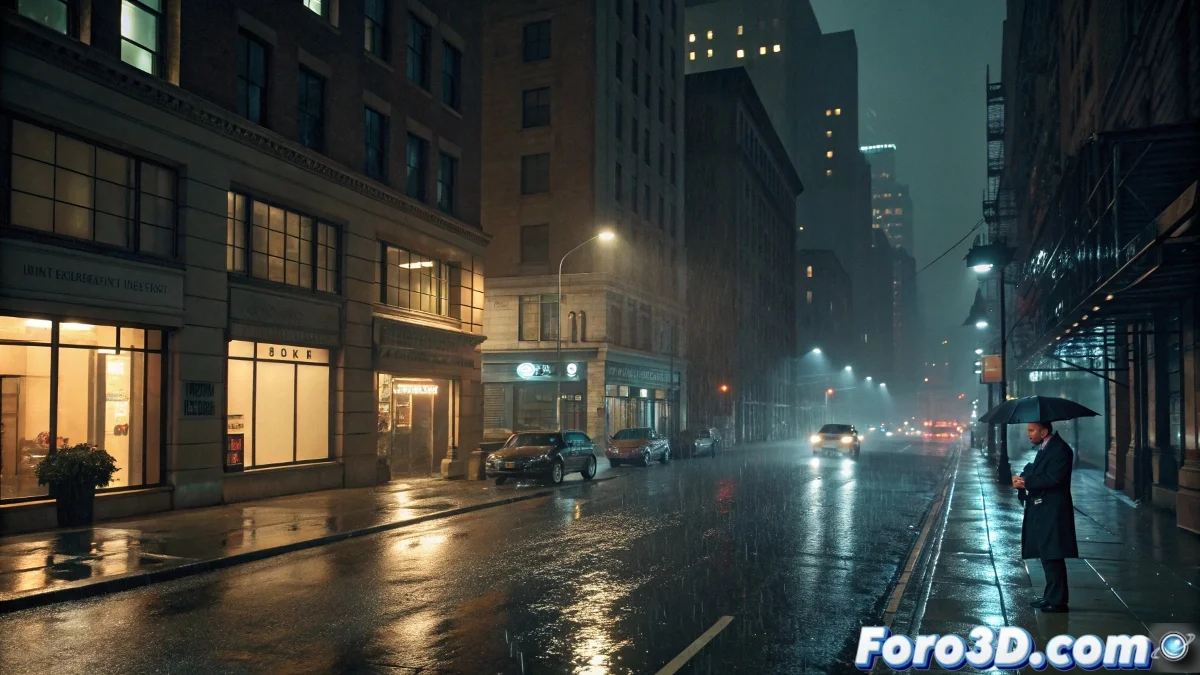
13 Days and 13 Nights: When VFX Are So Good They Disappear
In an industry obsessed with dragons and explosions, 13 Days and 13 Nights works magic with something harder: visual effects that don't look like effects. BUF Studio's work on this film is a masterclass in how the digital must blend with the real until it becomes indistinguishable 🎬.
"Our success is measured by what the audience doesn't see" — Olivier Cauwet, VFX Supervisor.
BUF's Pixel-Perfect Surgery
What seems simple contains:
- Ghost buildings: Digitally added structures that seem like they've always been there
- Borrowed skies: Atmospheres replaced frame by frame
- Impossible reflections: Glass and surfaces recalculated in post-production
- Invisible geometry: Streets retouched to guide the gaze
Tools for the Perfect Deception
The technical arsenal includes:
- Nuke for advanced compositing and shot cleanup
- Frame-by-frame rotoscoping on the subtlest details
- Deep compositing for perfect layer integration
- Dynamic matte painting that breathes with the camera
The Real Challenge: Manipulate Without Being Detected
BUF faced unique challenges:
- Maintaining organic textures in digital elements
- Preserving film grain in CGI inserts
- Balancing realism with the film's dreamlike tone
The VFX Artist's Paradox
This film demonstrates that:
- The more invisible the effect, the more complex it usually is
- The most "boring" shots can hide the greatest technical work
- True digital realism requires subtracting, not adding elements
So the next time you see an everyday scene in the cinema, look twice: that building, that sky, or even that shadow might be perfect pixelated lies. And that, friends, is the true art of VFX... even if you never notice it 🎨.
P.S.: If you work in VFX, get ready for your family to keep thinking you only do explosions and dinosaurs.