Yuto Totsuka's story at the Winter Olympics has been marked by adversity. After two previous participations with results far from his expectations, the Japanese snowboarder closed his cycle at Milano Cortina 2026 with a clear victory. His last run in the halfpipe final, full of complex spins and consistent height, sealed the gold amid the crowd's ovation.
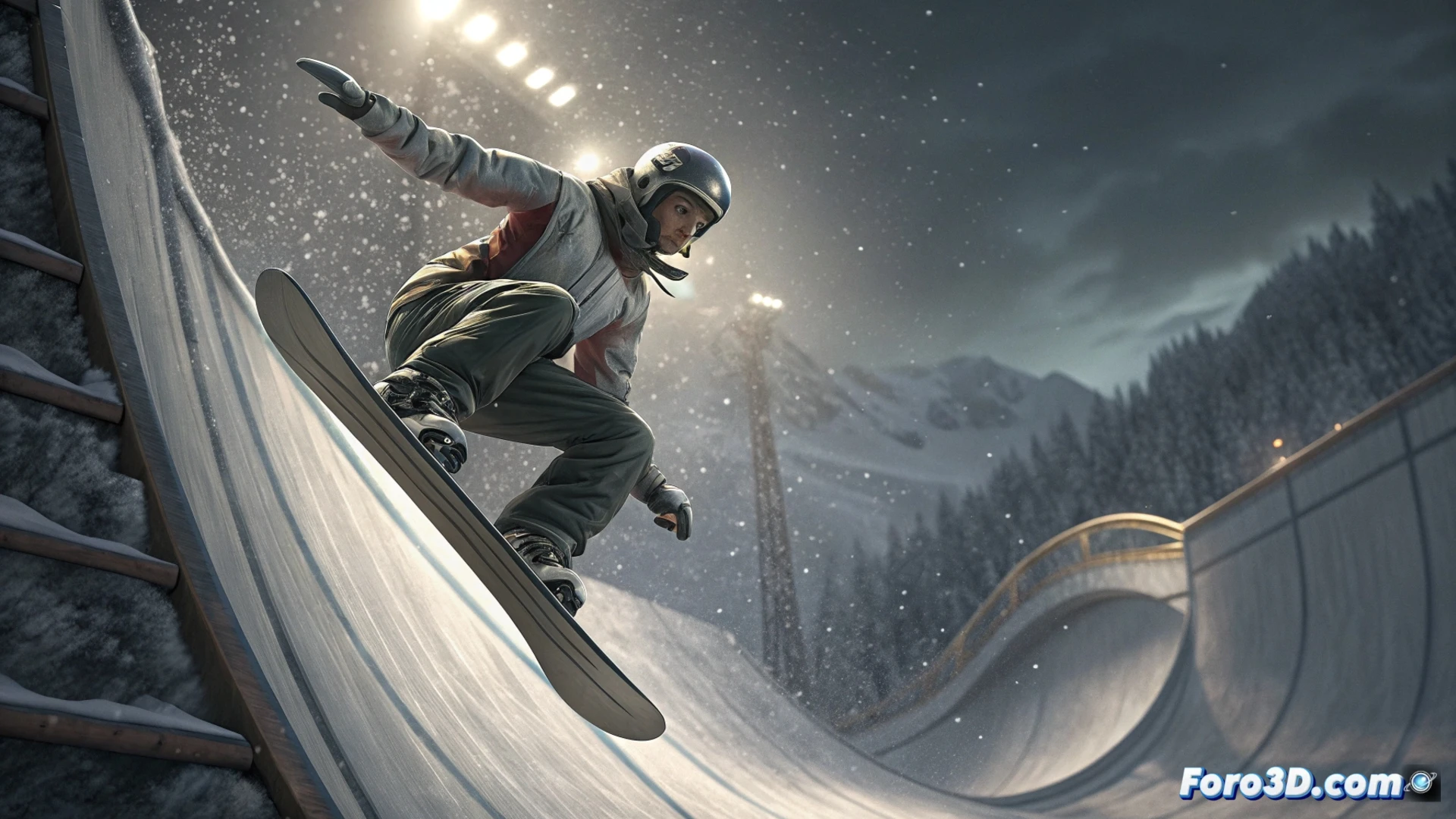
The technical evolution of snowboarding: materials and simulation 🤖
Totsuka's technical leap is not just the result of physical training. The snowboarding industry has evolved with lighter and more reactive boards, using composite materials that allow controlled flex. Additionally, athletes now use simulation software to analyze trajectories and spin angles. This digital biomechanical analysis allows them to refine movements and reduce the margin of error before hitting the snow.
How to explain to your boss that you need a year on the snow to fine-tune the technique 😅
After seeing Totsuka's performance, more than one has felt the call of the mountain. The work justification for embarking on a technical perfection journey could be: I need to develop my risk management skills and my adaptability to variable environments. Snow is an ideal ecosystem for that. That said, your boss is likely to suggest that you first practice with the office coffee maker, another environment with unpredictable variables.