Your Mouth and Breast Cancer: An Unexpected Link
Can you imagine that a common problem in your gums could be linked to a type of cancer that develops in another part of the body? 🔍 A recent scientific study points to a surprising connection between an oral bacterium and the development of breast tumors, revealing how a microorganism can travel and cause havoc from a distance.
The Journey of a Microbe from the Mouth
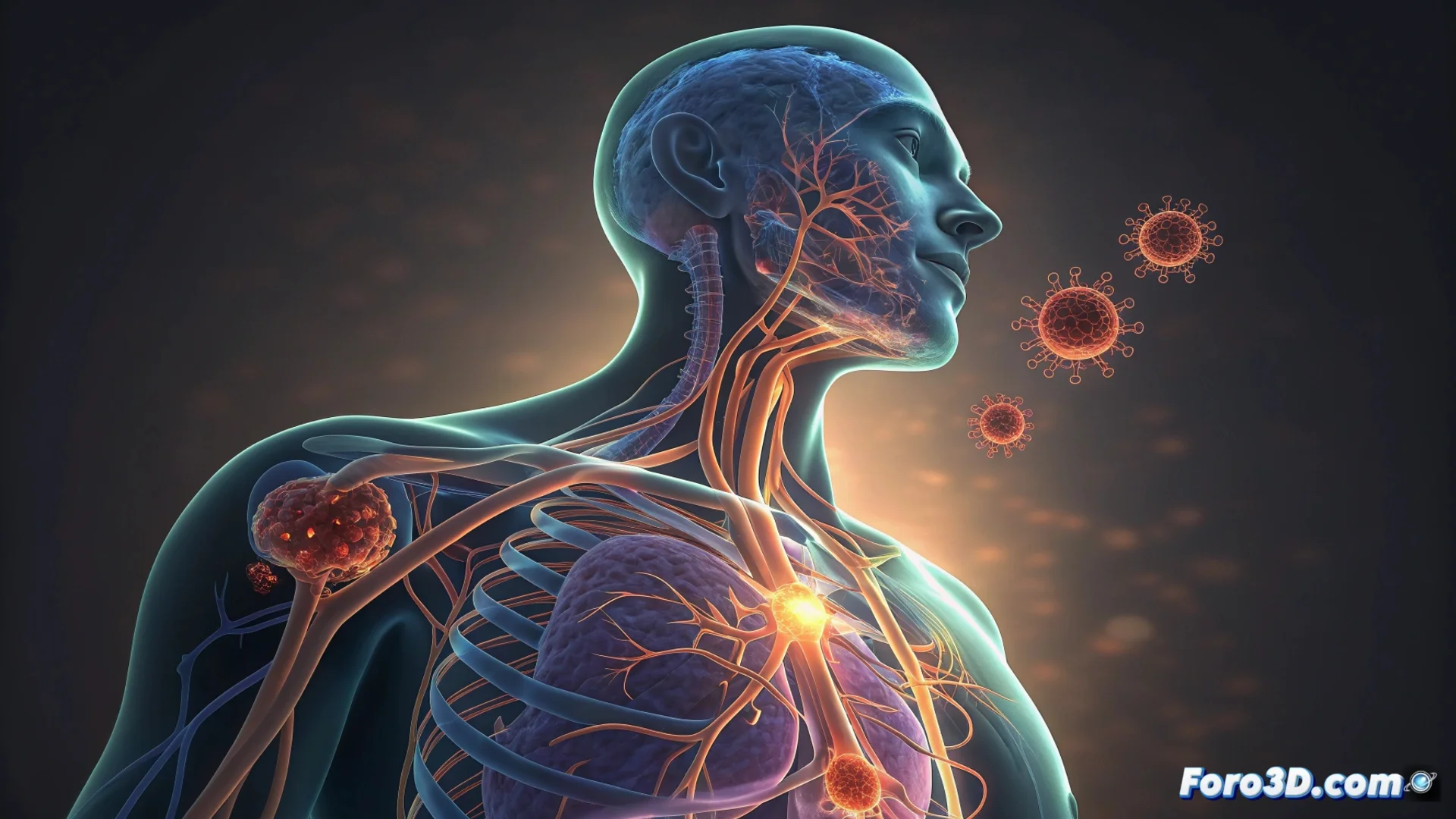
The agent in question is Fusobacterium nucleatum, a well-known inhabitant for causing periodontal diseases. However, researchers observed that, in mouse models, this microbe can travel from the oral cavity to the mammary gland. Once established, it does not remain inactive: it triggers inflammation and generates lesions that could initiate tumor processes. It's like an intruder that enters a place and completely disrupts its balance. 🦠
Key Findings in the Laboratory:- The bacterium manages to migrate and colonize healthy breast tissue in rodents.
- Its presence induces a persistent local inflammatory response.
- It creates a microenvironment that can favor the onset of cellular transformation.
The bacterium acts as a disease accelerator, increasing DNA damage and making tumors more aggressive.
A Potent Accelerator for Existing Tumors
The most revealing data emerged when analyzing its effect on mice that already had small tumors. Fusobacterium nucleatum not only reached them but made them grow up to three times faster. Additionally, it facilitated the spread of cancer cells and the formation of metastases in the lungs. Essentially, this oral microbe acts as a complice that worsens the pathology, making tumors more invasive and resistant. ⚠️
Documented Impact on Cancer Progression:- Accelerates the growth of pre-existing tumor lesions dramatically.
- Promotes metastasis, especially to lung tissue.
- Increases genetic damage and the aggressiveness of cancer cells.
Scientific Caution and a Lesson on Bodily Connections
The scientists emphasize the need for caution. It is not yet confirmed that this mechanism occurs in the same way in humans, where cancer depends on a complex interaction of genetics, environment, and habits. Nevertheless, this discovery reinforces a fundamental idea: our body functions as an interconnected system. Taking care of oral health with rigorous hygiene could be, beyond preventing cavities, an important step to protect overall health. Never underestimate the power of a good brushing. 😊