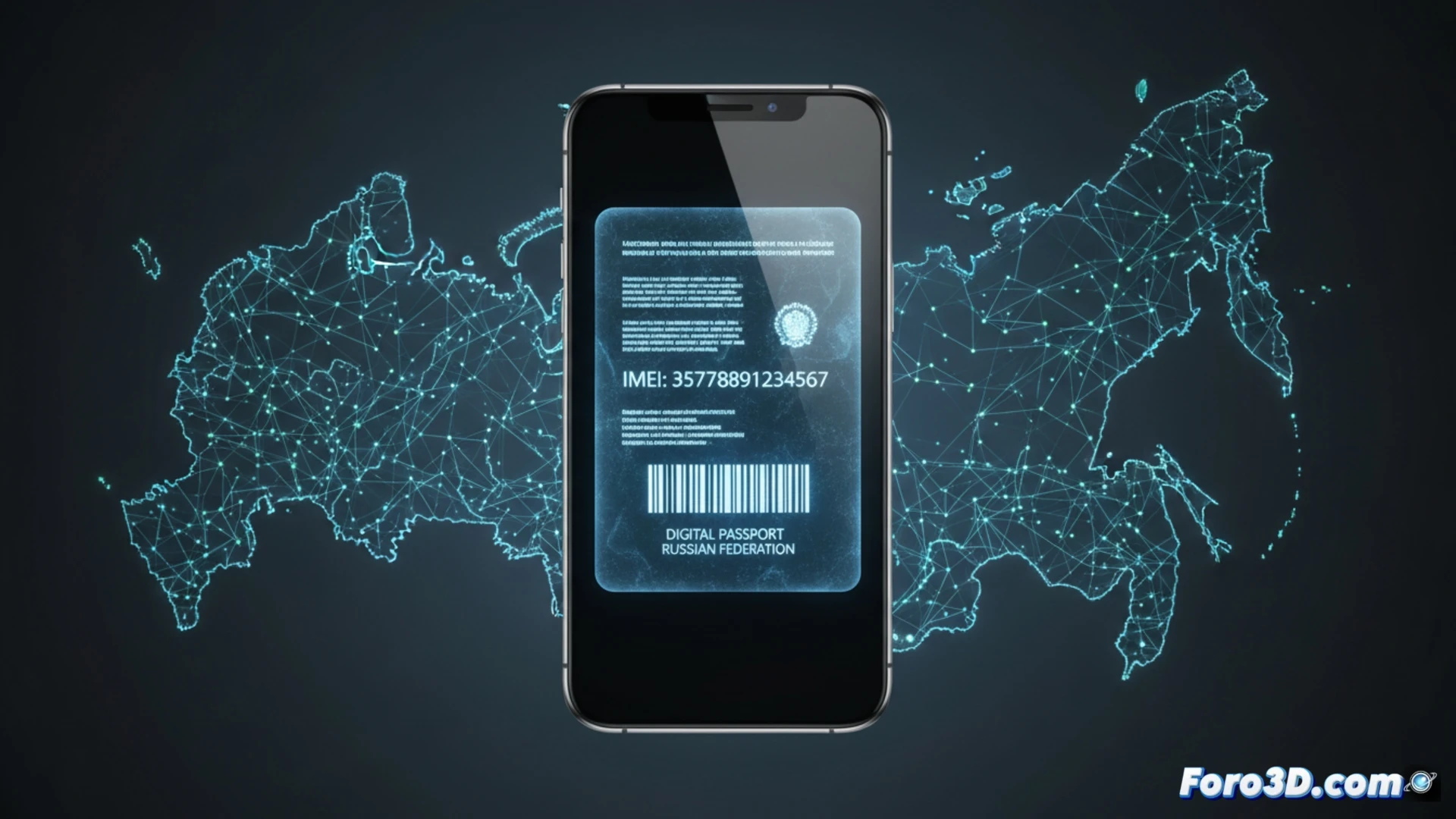
Your Mobile Phone Could Soon Have an Official Passport
Imagine that your smartphone needed its own identity document to operate. In Russia, this idea is close to becoming reality through new legislation. The proposal seeks to mandatorily register the IMEI code of each device, granting it a unique legal identity. 📱
The IMEI as a Digital Identity Document
The International Mobile Equipment Identity (IMEI) is a unique number that every phone carries from its manufacturing, similar to digital fingerprints. The plan is for telephone companies to associate this code with the user's SIM card. If an attempt to use a SIM in a device with an unregistered IMEI is detected, the system would apply an automatic block. It's like a key that can only open a specific lock. 🔒
Key functioning of the proposed system:- Mandatory registration: Every new IMEI must be included in an official national database.
- SIM-IMEI linking: The phone line is permanently tied to the authorized device.
- Block for discrepancy: The system denies service if the SIM and IMEI combination does not match.
Tracking the device and not just the line complicates life for scammers who use stolen mobiles.
Objectives and Controversies of the Registration
The main goal is to make phone and online fraud more difficult. By being able to track the physical device, the activities of criminals who often change SIMs or use stolen equipment are hindered. Although it adds a layer of security, it also opens an intense debate about the scope of state control and the protection of personal data. ⚖️
Impacts and considerations:- Reduce cybercrime: It seeks to discourage phone theft and its use for scams.
- Locate devices: In theory, it could help users find their lost phones.
- Privacy issues: Questions arise about who accesses the data and for what purposes.
A Future with Identified Gadgets
It seems that the trend to combat cybercrime points to providing each gadget with its own proper identification. This measure could offer tools to protect property, although its implementation will depend on how security and individual freedoms are balanced. The outcome will define how we interact with our most personal technology. 🌐