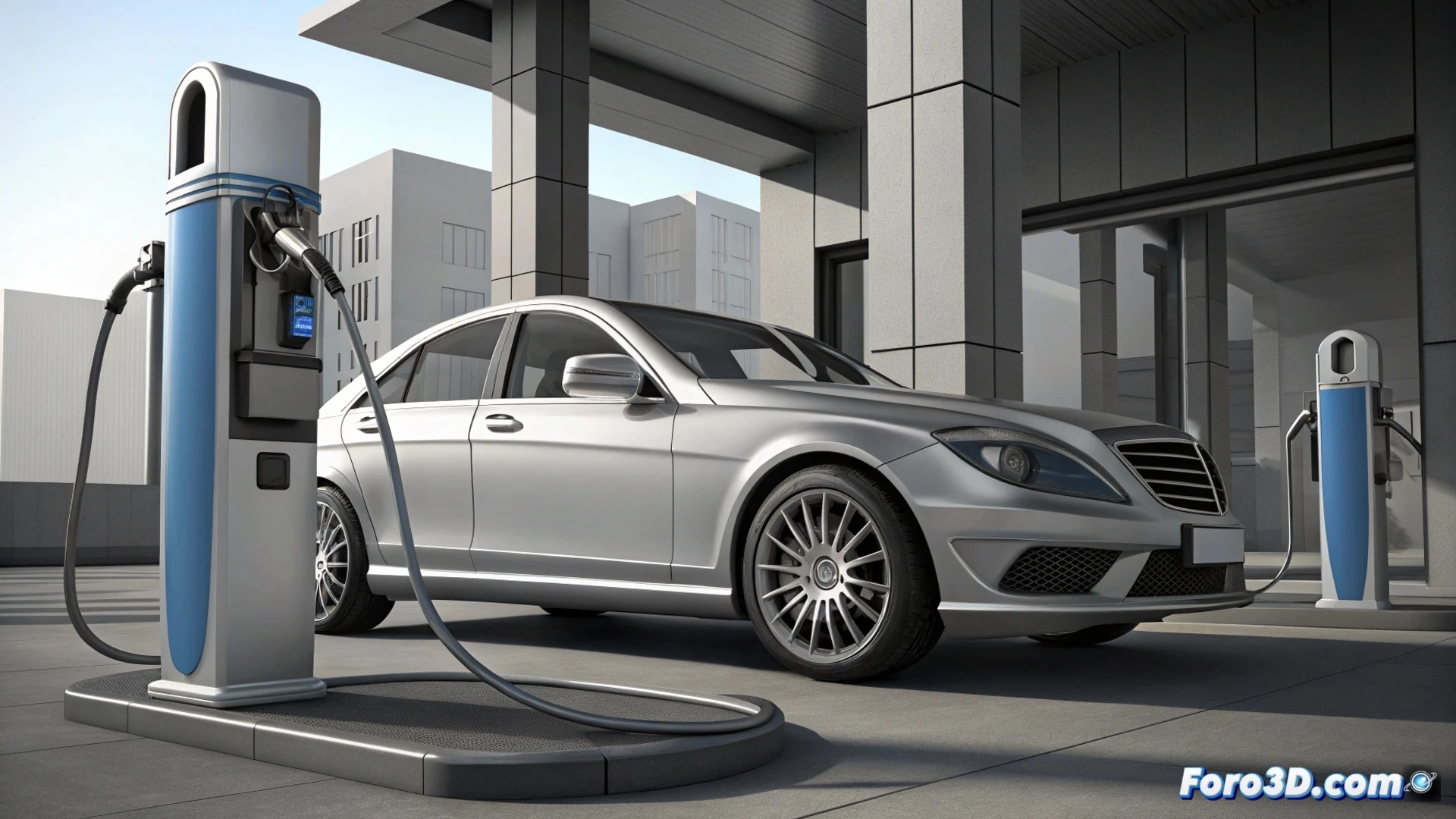
Your car could run on cooking gas: the evolution of LPG for 2026
Imagine refueling your car with the same fuel that powers your home stove. 🧯 What seems like a science fiction concept has been a reality for a long time thanks to LPG or liquefied petroleum gas. However, the associated technology is about to evolve significantly. We explore what to expect for the coming year. 🚗💨
Dual-capacity engines: intelligence at the wheel
The main innovation anticipated for 2026 focuses on new-generation bifuel engines. These powertrains give the vehicle total flexibility: they can run on conventional gasoline or switch to LPG mode autonomously. The highly sophisticated system constantly analyzes to select the most efficient and economical option, without the driver noticing any change in response. It's like having a co-pilot dedicated exclusively to optimizing consumption. 🔄
Key advantages of the bifuel system:- Automatic adaptability: The vehicle decides when to use each fuel to maximize performance.
- Operational transparency: The switch between gasoline and LPG is imperceptible to the driver.
- Integrated economy: It always seeks the combination that results in the lowest cost per kilometer.
The transition to more sustainable mobility is not limited to electricity. LPG, with a deep technological renewal, aspires to be a practical and sensible alternative for a large number of users.
Environmental and economic benefits of LPG
A fact that many are unaware of is that LPG burns more cleanly than traditional petroleum derivatives. During its combustion, it generates a lower amount of carbon dioxide (CO2) and emits minimal levels of solid pollutant particles, those that deteriorate urban air quality. Added to this is its price, which is usually kept below that of gasoline and diesel. The advancement for 2026 lies in perfecting these systems: they will be quieter, more refined, and offer such extensive overall autonomy that it will drastically reduce visits to gas stations. 🌿💰
Improved features for 2026:- Lower environmental impact: Reduces CO2 emissions and suspended particles.
- Acoustic refinement: The new systems promise to operate more quietly.
- Extended autonomy: The combined capacity allows traveling long distances without refueling.
A tangible alternative on the horizon
The path to vehicles with a lower ecological footprint presents multiple branches. Alongside electrics and hybrids, renewed LPG emerges strongly. Its next generation of technology seeks to resolve old limitations and offer a complete, economical, and responsible driving experience. It demonstrates that the future of motoring could have a more familiar and accessible aroma than imagined. 🔧⚡