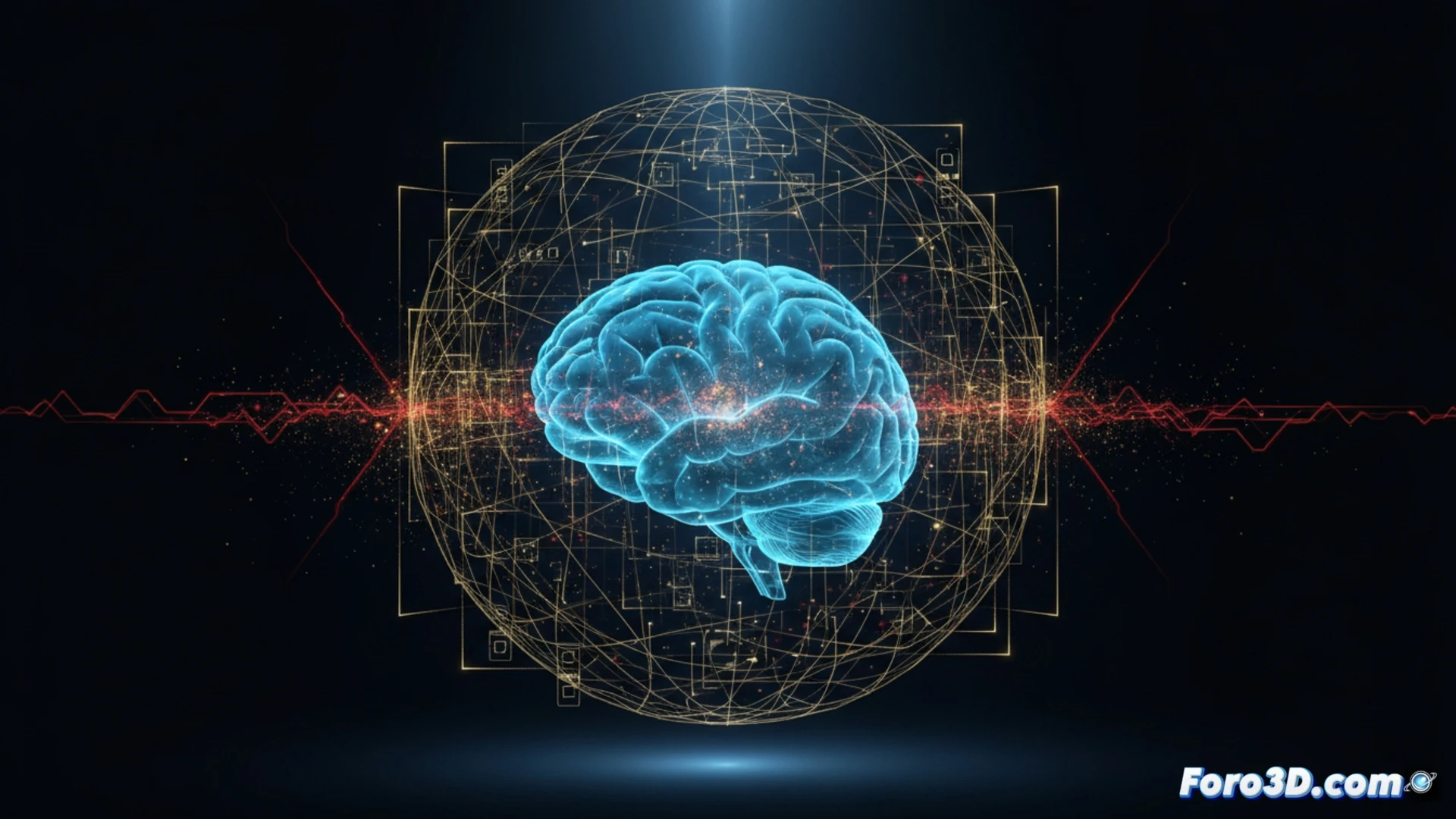
Your Brain Is No Longer Just Yours: Safety Standards Are Coming
Can you imagine someone accessing your thoughts? 🧠 What was once just a science fiction movie argument is now approaching reality. Neurotechnology already allows us to use brain waves to control games or prostheses, but this direct connection needs an urgent protection shield.
Why Does Your Mind Need a Safety Manual?
Think of your brain activity as the signal from your most private home network. The danger arises if an external agent connects without authorization, potentially spying or even injecting information. To avoid this scenario, the IEEE, a key entity in creating technical standards, is drafting guidelines. Its goal is to shield devices that interact with our nervous system against cyberattacks or misuse. 🔒
The pillars of this protection:- Safeguard the privacy of the information generated by your brain.
- Ensure the user's physical integrity, preventing damage from malicious manipulation.
- Establish a secure design framework from the outset for developers.
Your skull must be the most powerful firewall you possess.
A Fact That Underscores the Urgency
These standards are not just about data. Imagine a cochlear implant whose signal is altered by a hacker, potentially damaging the inner ear. Or a mind-controlled robotic prosthesis that, if hacked, could move dangerously. The guidelines act as a preventive airbag for the mind, forcing creators to consider these risks from the first sketch. ⚠️
Possible risk scenarios to avoid:- Theft or leakage of unique thought patterns and neural data.
- Harmful manipulation of implanted medical devices or wearables.
- Unauthorized alteration of sensory perceptions or motor control.
Connecting the Mind to the Future with a Key
This effort to standardize represents a crucial first step. It seeks to ensure that, when integrating our biology with technology, we do not leave a backdoor open for intruders. Advancing in this frontier requires doing so responsibly, always prioritizing that the user maintains absolute control over their own brain activity. 🚀