Why Electric Vehicles Wear Out Certain Parts Faster
The transition to electric mobility brings advantages, but also new patterns of mechanical wear. Three key technical factors explain why some elements of an electric car may need to be replaced sooner than in an equivalent thermal model. ⚙️
The Impact of the Extra Weight of the Batteries
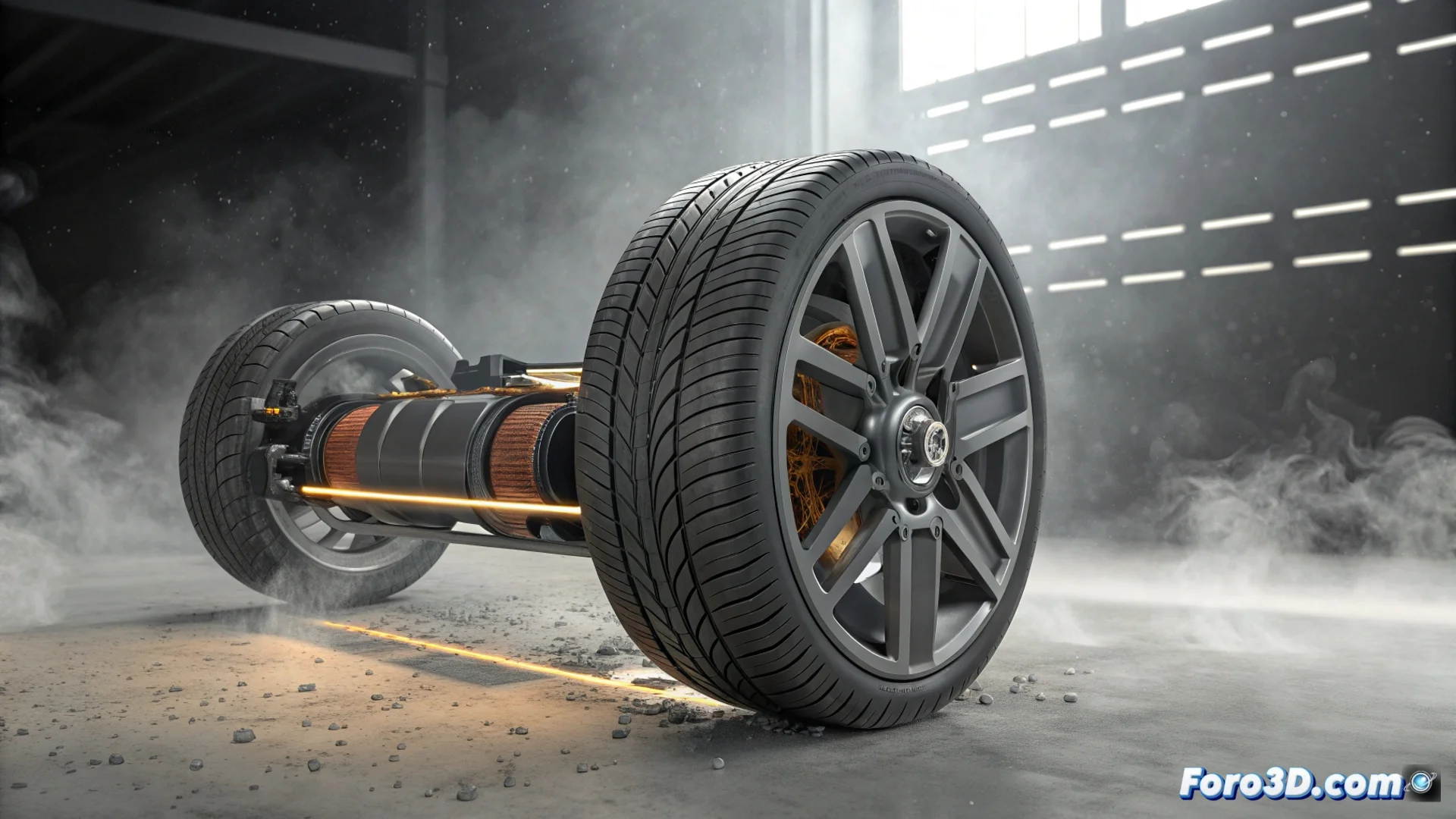
The additional mass of the battery packs is the first factor. A heavier vehicle puts more pressure on the tires, reducing their useful mileage. It also stresses the suspension components more, such as shock absorbers and bushings. Even the brakes, although used less in daily driving, must dissipate greater kinetic energy during a sudden stop.
Components Most Affected by Weight:- Tires: Greater pressure and friction with the asphalt shorten their life.
- Suspension: Arms, bushings, and shock absorbers bear higher loads constantly.
- Brake System: Discs and pads must manage greater inertia in limit situations.
Physics doesn't forgive: the extra mass of the batteries translates into greater forces on all components that connect the car to the road.
Instant Torque and Energy-Recovering Braking
The immediate response of the electric motor is an advantage in acceleration, but it subjects the transmission and tires to very high torque peaks. This generates intense abrasion on the rubber. At the same time, regenerative braking completely changes how traditional brakes are used. By prioritizing energy recovery, friction brakes can remain inactive and cold for a long time.
Consequences of These Features:- Stress on the Transmission: Axles and differentials receive power abruptly.
- Uneven Tire Wear: Instant traction can increase deterioration.
- Brake Degradation: Discs can rust and pads degrade unevenly if not activated regularly.
Conclusion: A Balance Between Performance and Maintenance
Although there are savings on fuel and thermal engine maintenance, other elements of the electric vehicle work under greater stress. The driver perceives powerful acceleration, but the tires and suspension accumulate that extra effort over the miles. It's a reminder that every technology has its trade-offs, and knowing them helps plan the car's real maintenance. 🚗💨