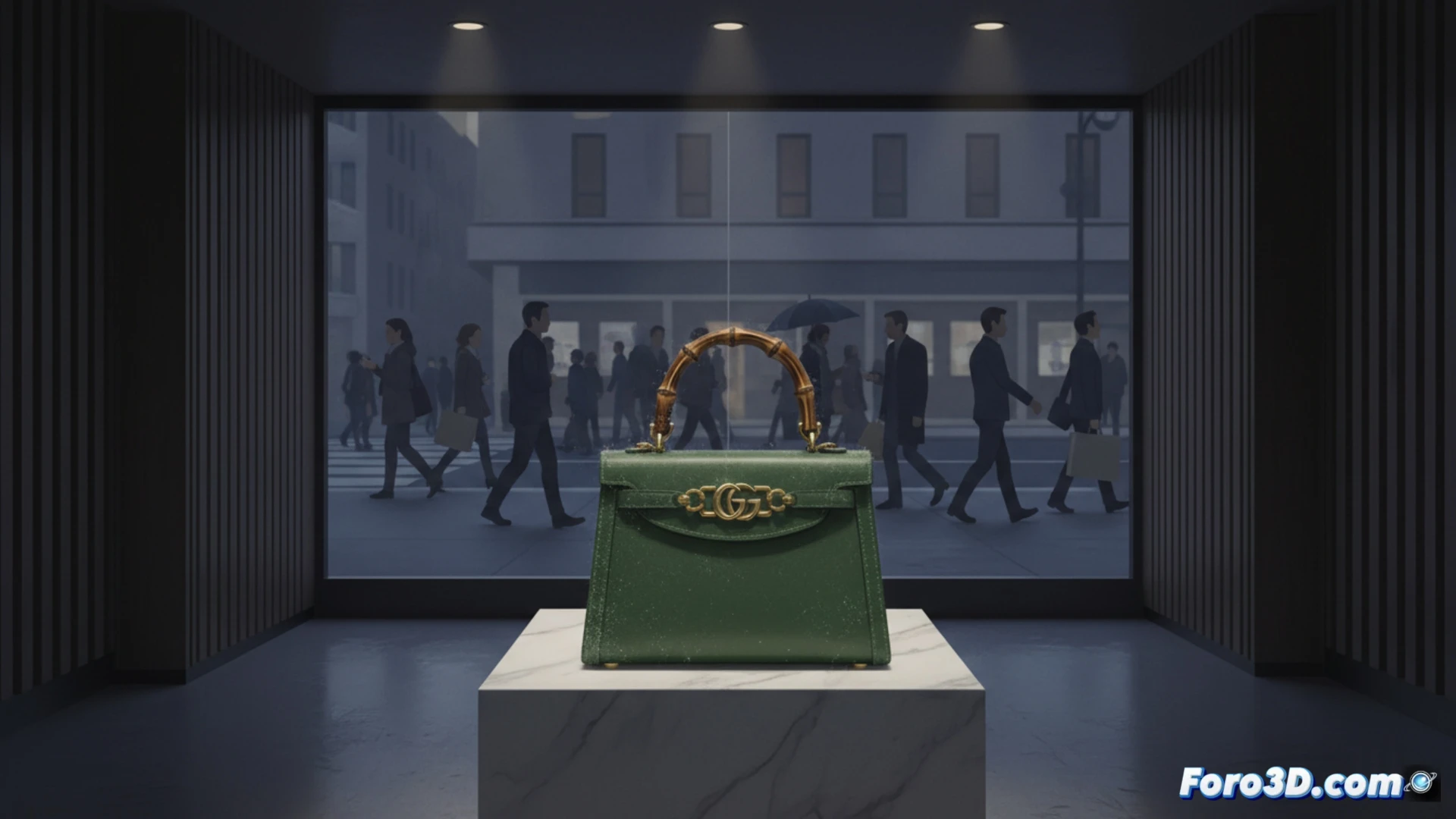
Why Doesn't Gucci Sell Like It Used To? The Decline of a Luxury Giant
What happens when an iconic luxury brand loses its shine? It's like the city's most popular restaurant suddenly having empty tables. This is the reality facing Kering, the parent company of Gucci, whose financial figures show an alarming decline. Let's delve into the reasons for this shift in a sector where the only constant is change. 👜⬇️
The Pendulum of Desire in Fashion
The luxury market doesn't revolve solely around material quality, but around generating desire. This desire is notoriously fickle. Kering relies excessively on Gucci, a brand that accounts for nearly 50% of its revenue. This concentration poses a huge risk: if the star product loses interest, the entire group suffers. Today's buyers, especially younger generations, prefer to seek brands with a very defined identity or classic items that never go out of style, putting large conglomerates in a difficult position to balance novelty and legacy.
Key factors of the change:- Excessive dependence: Having only one winning horse, like Gucci for Kering, makes the company very vulnerable to changes in taste.
- Shift in the consumer: The search for authenticity and niche is gaining ground over massive and omnipresent logos.
- Trend cycles: What is "it" today may tomorrow be perceived as overexposed and outdated.
In luxury, what is really sold is not a leather item; it is the materialization of an aspiration. And aspirations are the most fragile product of all.
The Paradox of Prices in Tough Times
A surprising fact: when luxury item sales decline, brands rarely opt to lower their prices. On the contrary, they often increase them. It seems illogical, but it is a deliberate tactic to protect exclusivity and the perception of value. If a Gucci bag became accessible to a mass audience, it would lose its power as a status symbol. Therefore, a drop in demand is sometimes countered by making the products even more unattainable for the general public, thereby reinforcing their aura of desirability for a select circle.
Strategies to maintain the aura of exclusivity:- Selectively raise prices: A measure to filter the buyer and maintain the brand's prestige.
- Limited editions and collaborations: Create scarce products that generate hype and immediate desire.
- Emphasize craftsmanship and heritage: Shift the focus from the logo to the history and quality of manufacturing.
The Final Battle for the Dream
The next time you see a prominent logo on a luxury accessory, remember that behind it there is a constant struggle to capture your gaze and, above all, to ignite your desire. The luxury industry does not simply sell objects; it sells identity, belonging, and dreams. Keeping that dream alive, fresh, and desirable is the perpetual challenge faced by giants like Kering. When the dream fades, sales drop. The challenge now is to reinvent that dream for a new era. 💭✨