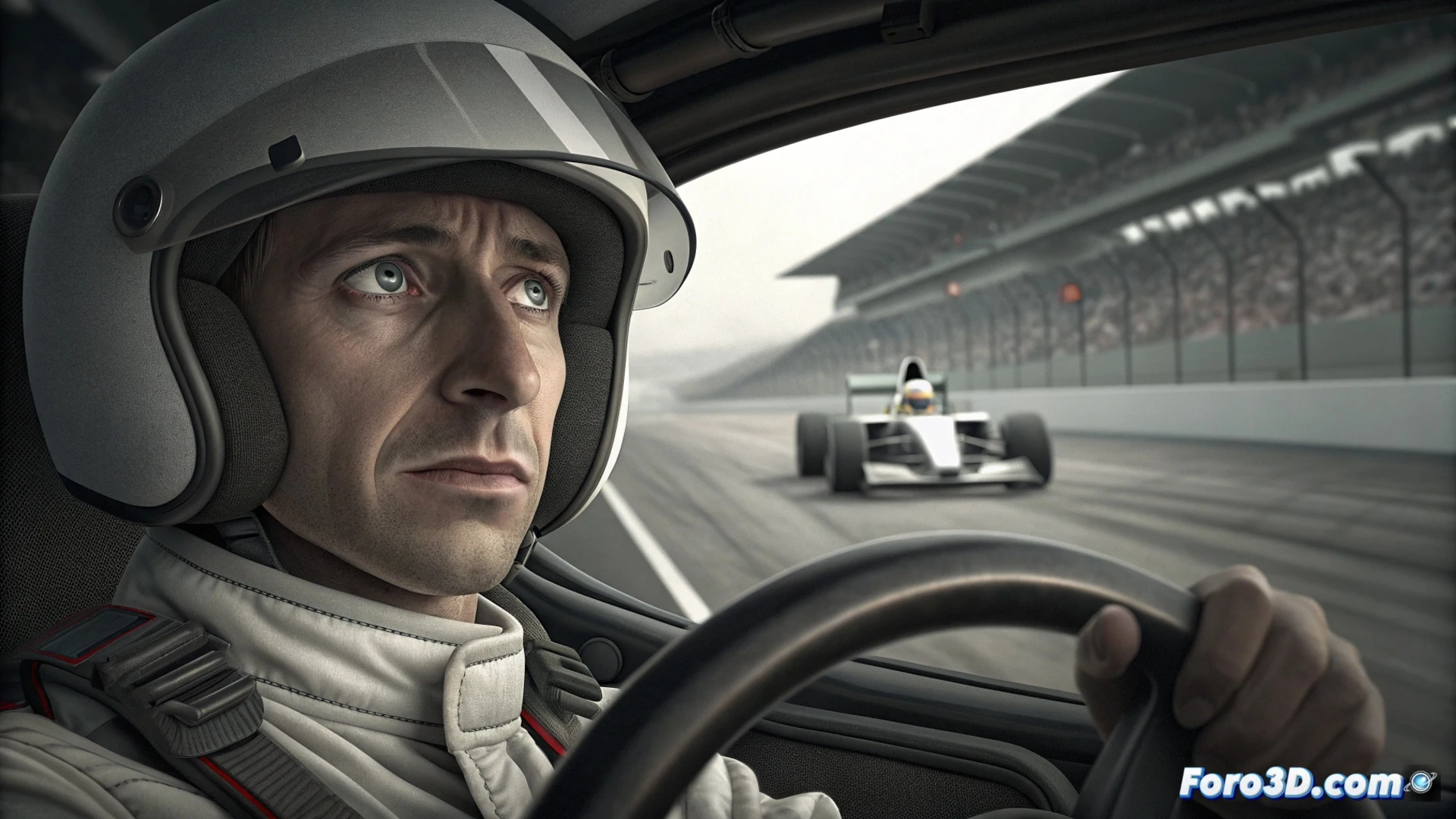
Why do the new F1 cars seem so slow to the drivers?
Can you imagine driving an elite vehicle that suddenly feels like a car from a lower series? 🏎️ This is what some Formula 1 drivers are experiencing with the new single-seaters. Lewis Hamilton, accustomed to immediate responses, has described a strange sensation at the wheel that contrasts with the stopwatch data.
The balance between protecting the driver and maintaining the excitement
The 2026 regulations prioritize making the cars safer and more efficient. To achieve this, engineers had to profoundly modify the aerodynamic behavior. The result is a more stable and predictable vehicle in corners, but one that sacrifices some of the aggressiveness and visceral connection with the asphalt that defined the category. It's like switching from a lightweight sports car to a heavier and safer one.
Key changes in the driving experience:- Less nervous response: The aerodynamics are more "tamed," reducing the feeling of extreme agility.
- Greater stability: The cars are easier to control, which improves safety but subtracts pure excitement.
- Stopwatch paradox: Although lap times remain very fast, the perception from the cockpit is different.
Hamilton even commented that the sensation was comparable to driving a GP2 car, a training category.
The disconnection between the clock and the wheel
The most striking thing is the divergence between measurable performance and subjective sensation. The driver may not feel the same rawness or immediacy, even though the vehicle continues to travel at top speeds. This situation sparks a debate about what should be optimized: absolute numbers or the driver's experience inside the cockpit. 🧠
Factors explaining this perception:- Less extreme aerodynamics: Downforce is limited to reduce cornering speeds and risks.
- More "manageable" cars: Driving is more accessible, but less challenging for the best.
- Technological evolution: Advances in safety and efficiency often soften the raw character of the single-seater.
A double-edged progress
In short, F1 development illustrates a classic trade-off. It gains in intelligence, protection, and efficiency, but may lose some of the wild essence and extreme demand that defined elite driving. It's the price for competing more safely, an exchange that redefines what it means to drive at the limit. ⚖️