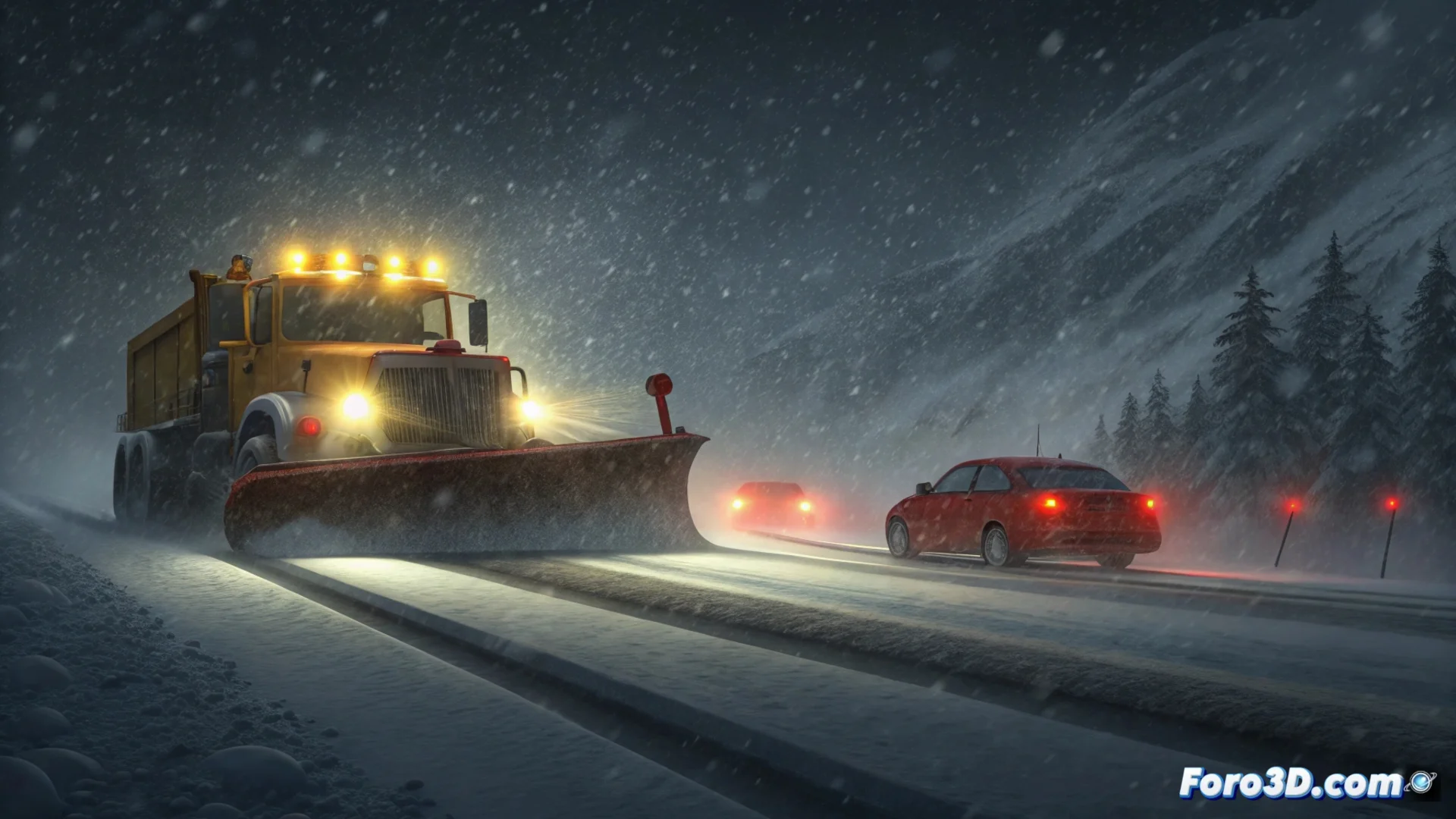
When a Snowplow Turns into a Lethal Obstacle on the Road
Imagine driving in the early morning hours with freezing temperatures and possible fatigue. Suddenly, a metal colossus advances slowly in your lane. This was the reality in a serious accident on the A-1 highway, a grim reminder of the specific dangers of driving in winter. 🚨
The Hidden Risk of Maintenance Machinery
A snowplow is large, slow, and usually operates in convoy. However, with low light, fog, or a distracted driver, it can materialize like a ghost on the roadway. Its working speed is much lower than normal traffic flow, generating an extremely dangerous speed difference. It's comparable to encountering a static obstacle on the expressway.
Factors that Multiply the Danger:- Reduced Working Speed: They travel at a pace well below the road's speed limit, surprising drivers approaching quickly.
- Lack of Wide Shoulders: On many roads, the vehicle must occupy part of the adjacent lane, reducing safe space for overtaking.
- Screen Effect: The snow they displace can form a white curtain that further obscures visibility of the snowplow itself and what's behind it.
Technology in cars advances, but attention at the wheel remains the best ally for prevention.
Inadequate Signaling and the Key to Anticipation
Although these vehicles have special lights and signaling, these measures sometimes fall short. The combination of darkness, bad weather, and possible driver fatigue nullifies their effectiveness. The fundamental solution lies in anticipating and maintaining a wide safety distance, a habit many neglect.
Curiosities About Their Operation:- They often operate in groups, with support vehicles that also travel slowly.
- Their width can exceed that of the lane, forcing partial invasion of the left lane.
- The engine noise and the driver's isolated cabin can limit their perception of approaching traffic.
Looking to the Future on the Road
Future driving assistants may identify these moving hazards earlier and alert the driver. Until then, the responsibility falls on the driver: exercise extreme caution in winter conditions, reduce speed in poor visibility, and actively observe the road ahead. The true treasure is not in haste, but in arriving at the destination safely. 🏠