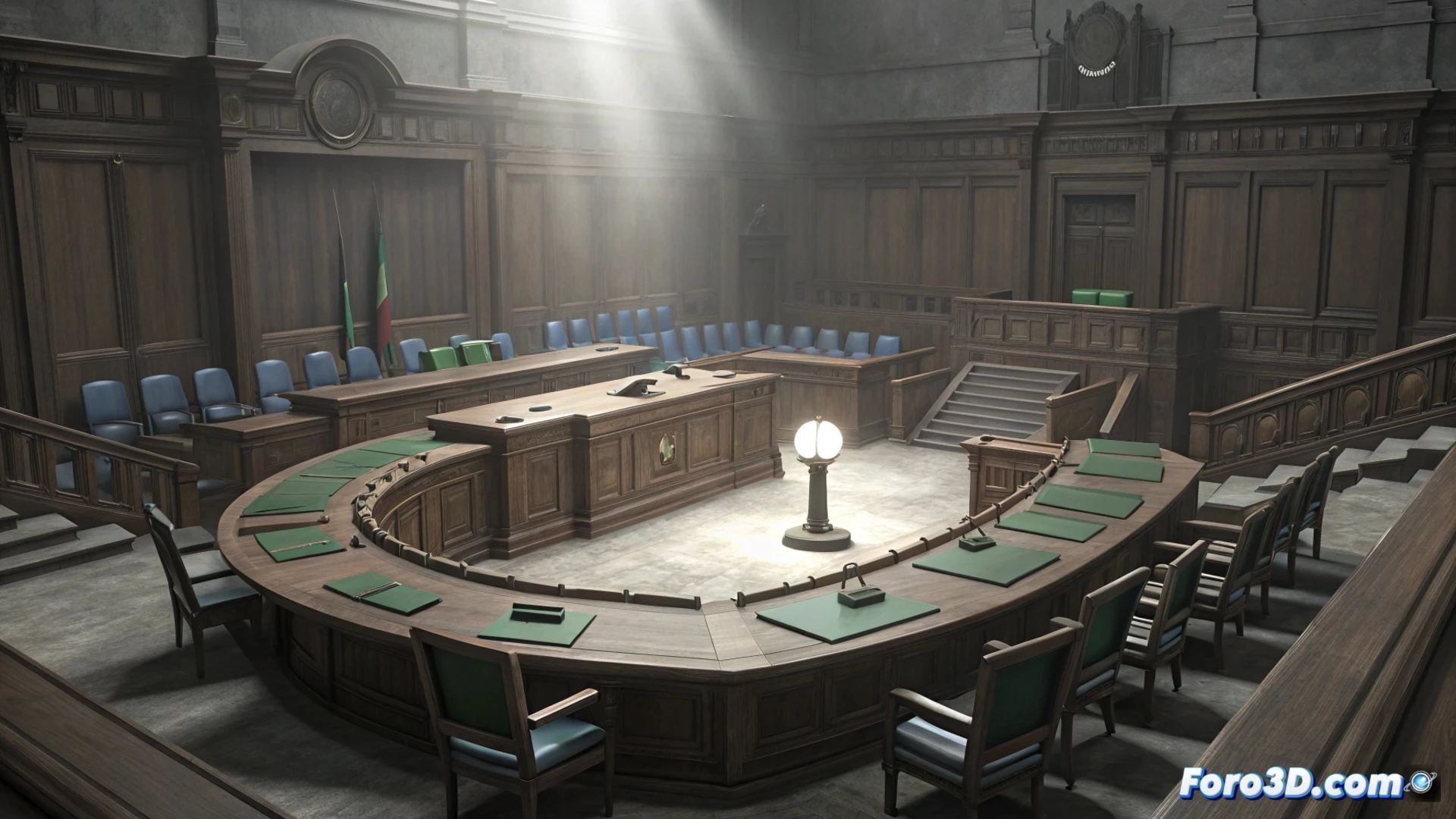
What happens when elections do not define a clear winner?
Think about planning a meeting where each attendee contributes very little. Something similar happened in the Aragon community after voting. The formation with the most support, the PP led by Jorge Azcón, fell 4 seats short of being able to govern alone. It now requires Vox's support to form a government. From the PSOE, Pilar Alegría warns that this forced alliance could lead to a period of uncertainty and imbalance in politics. 🏛️
The complex parliamentary arithmetic
In the regional sphere, there is a key figure: the absolute majority. For Aragon, it is 34 deputies out of 67. It is the threshold necessary to implement policies without depending on others. Azcón achieved 26, a notable amount but insufficient. Without reaching the magic number, he must negotiate agreements. This dependence often implies moderating proposals or yielding on programmatic aspects. Alegría describes this result as a setback due to the loss of independence to lead.
Key elements of the deadlock:- The winning party cannot legislate without external support.
- Negotiation to agree can delay the formation of an executive.
- Governability is conditioned by the partner's terms.
"When there is no clear winner, winning the elections is not enough; one must have the skill to weave consensuses."
The real impact of political instability
This situation is not just a debate between parties. The lack of firmness in the government can translate into slower and less agile administration. It is comparable to when a group cannot agree: either no action is taken or unsatisfactory resolutions are made. In public management, fragile pacts can delay crucial investments or the approval of regulations that directly affect citizens. ⏳
Consequences for the community:- It can paralyze or slow down important bills.
- It generates a climate of expectation that hampers initiative.
- Political priorities may be distorted by the agreement.
A scenario of waiting and negotiation
While political leaders dialogue, Aragon's immediate future remains in suspense. This episode serves as a reminder of a fundamental democratic principle: winning at the polls is only the first step. The real challenge lies in building majorities and achieving stable pacts that allow effective governance for the entire citizenry. Democracy requires, beyond voting, the ability to agree. 🤝