An accidental discovery in neuroscience has revealed the possible existence of organized structures within the human brain not described by current models. These neuronal connectivity patterns suggest a more complex architecture than previously thought, raising new questions about their function in cognitive processes. Researchers are cautious, but the finding redefines the boundaries of our anatomical knowledge of the brain.
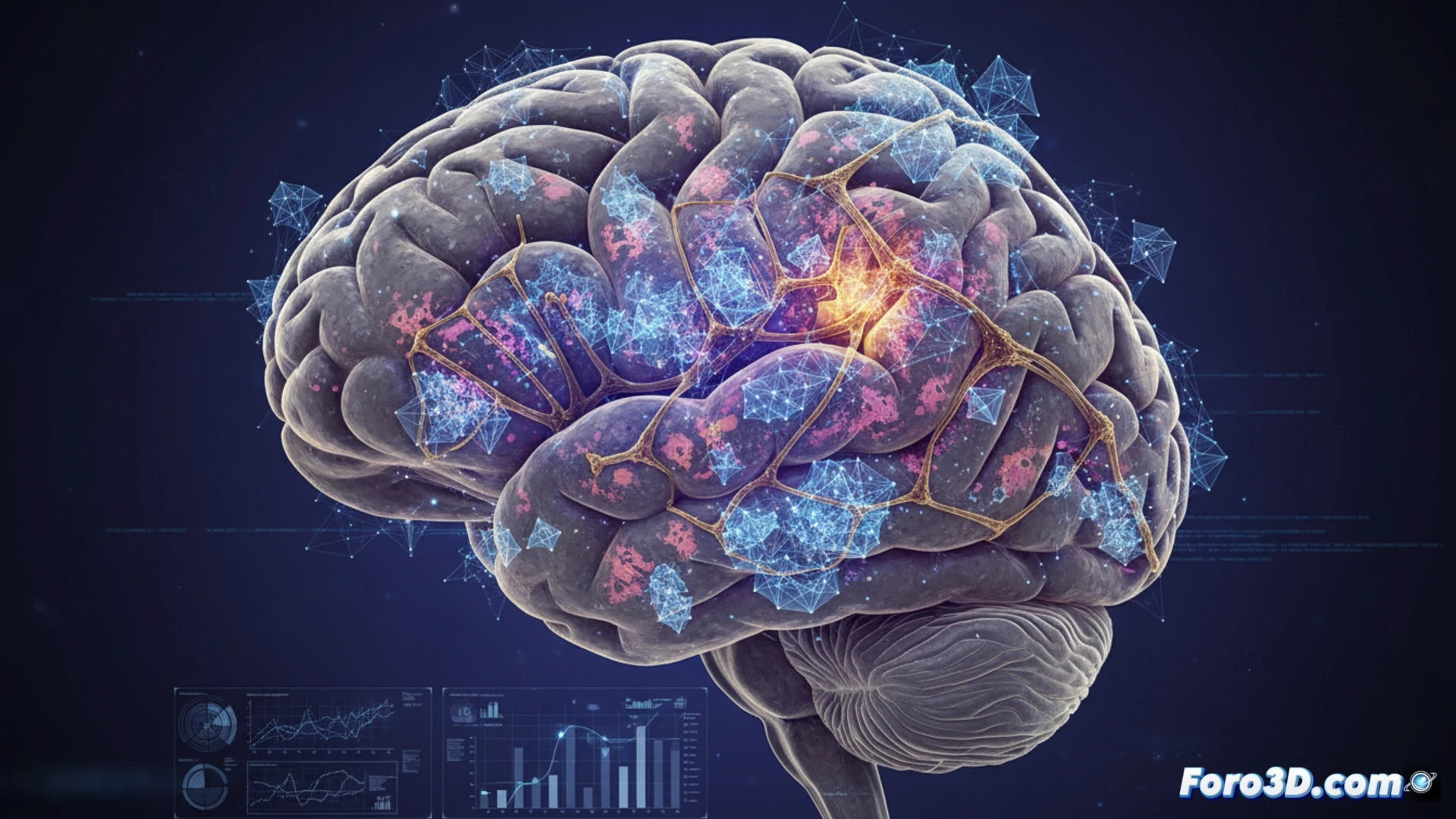
Imaging Techniques and Data Analysis in the Discovery 🔍
The discovery stemmed from the combined use of high-resolution diffusion magnetic resonance imaging and new fiber tracking algorithms. When processing the data with network analysis and topology techniques, recurrent connection patterns emerged that did not align with established maps of nerve tracts. This indicates that current technological resolution may be starting to reveal a level of brain organization that was previously invisible to analysis.
What if Our Brain Already Had Installed DLCs? 🎮
We always knew that the brain's user manual was incomplete. Now it turns out that not only were pages missing, but entire chapters of connectivity. It's like buying a computer and discovering, years later, that it has a hidden extra port that no one explained to you. Maybe that's why some ideas take such strange routes: they're using the neuronal shortcuts that science hasn't mapped yet.