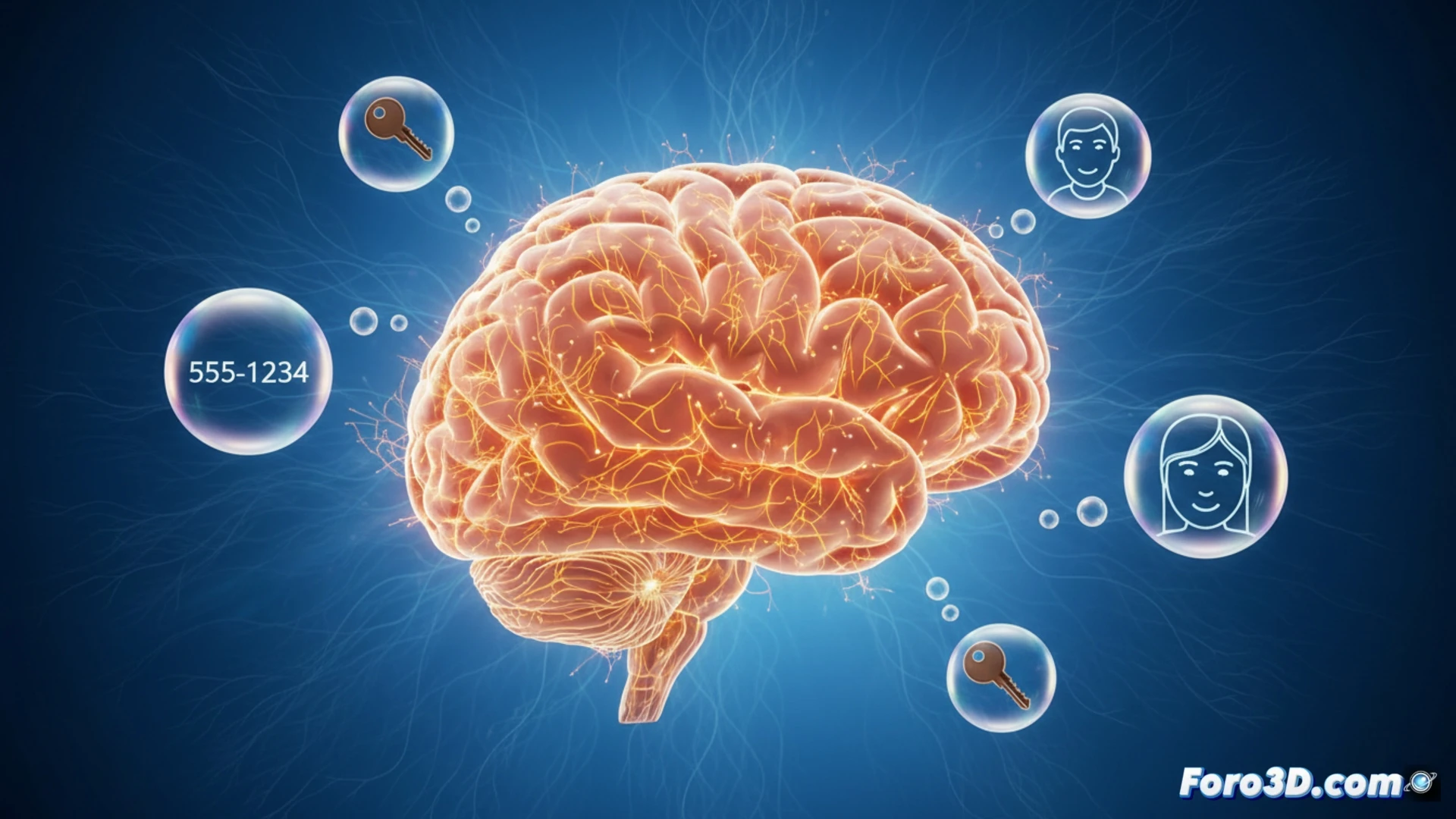
Training Your Fast Memory Could Protect Your Brain
What if intensely exercising your mind was key to taking care of it in the long term? 🧠 Recent research points to a specific cognitive training that emphasizes speed in recalling, which can have a significant protective effect against cognitive decline.
Speed Is the Crucial Factor
This method is not based on solving complex puzzles, but on challenging your brain to process and retain data in real time. It's similar to HIIT training, but applied to neurons. The goal is to keep the mind agile and receptive under pressure.
Examples of this training:- Memorizing a sequence of digits that flashes briefly on a screen.
- Following a series of instructions that change rapidly.
- Identifying patterns that change constantly and quickly.
Participants who practiced these exercises showed up to 29% less risk of developing dementia, including Alzheimer's, a decade later.
A Benefit That Lasts Over Time
The most revealing thing is that the protective effect was observed years after people finished the program. This suggests that the brain builds a stronger cognitive reserve, making it more resistant to potential damage.
What does this finding imply?- It's not just about learning, but doing it quickly and on demand.
- Mental agility can be trained similarly to physical flexibility.
- Investing in this type of exercise could be vital for healthy brain aging.
Rethinking How We Care for Our Mind
Keeping the brain fit goes beyond acquiring new knowledge; it's about preserving its speed and responsiveness. Regularly exercising mental agility could be a fundamental pillar for protecting our cognitive health in the future. 💡