Tissue engineering advances with the creation of artificial auricular cartilage in the laboratory. Using human cells and 3D bioprinting techniques, researchers have achieved a tissue that maintains its shape and elasticity in animal models. This approach offers an alternative to current rib grafts, used in reconstructions for microtia or accidents, which involve pain and limited results.
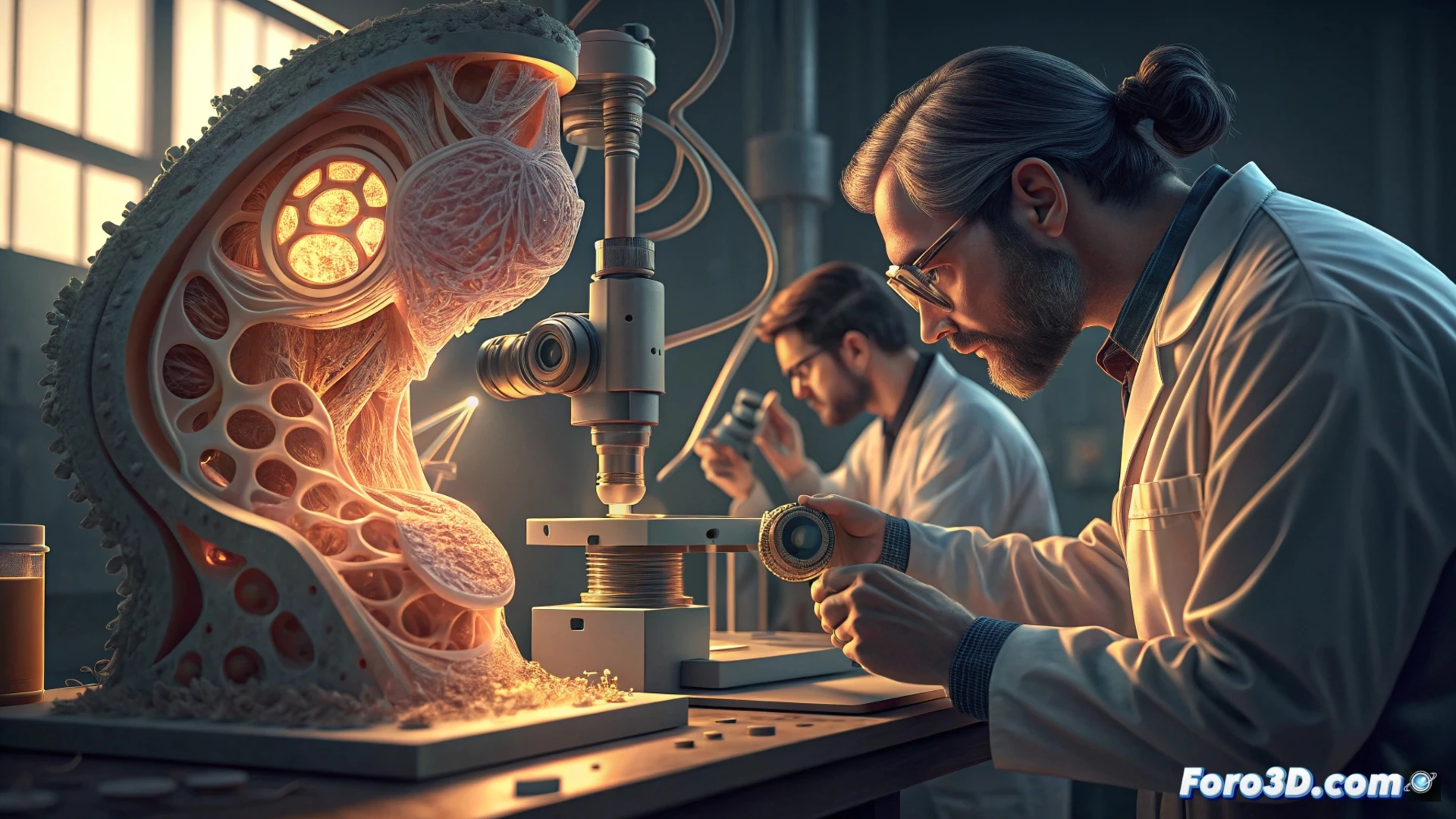
Biofabrication and the Challenge of Elastin 🧬
The process starts with human cartilage cells (chondrocytes) that are mixed with a collagen-based bioink. This mixture is 3D printed following the complex architecture of an ear. The resulting scaffold is cultured in a bioreactor, where the cells proliferate and generate extracellular matrix. The main current technical obstacle is replicating elastin, the key protein for permanent flexibility that prevents implant deformation over time.
Made-to-Order Ear? 🍽️
It seems tissue cooking is in vogue. First there was the in vitro hamburger, now we have the "printed" ear. The process sounds like a high-end cuisine recipe: own cells are taken, mixed with a collagen broth, 3D printed in the desired shape, and left to "mature" in a kind of special oven. All that's missing is for the next phase to include customized options: elf ear for Tolkien fans or a more aerodynamic design to reduce wind resistance? The body modification trend could take a literally organic turn.