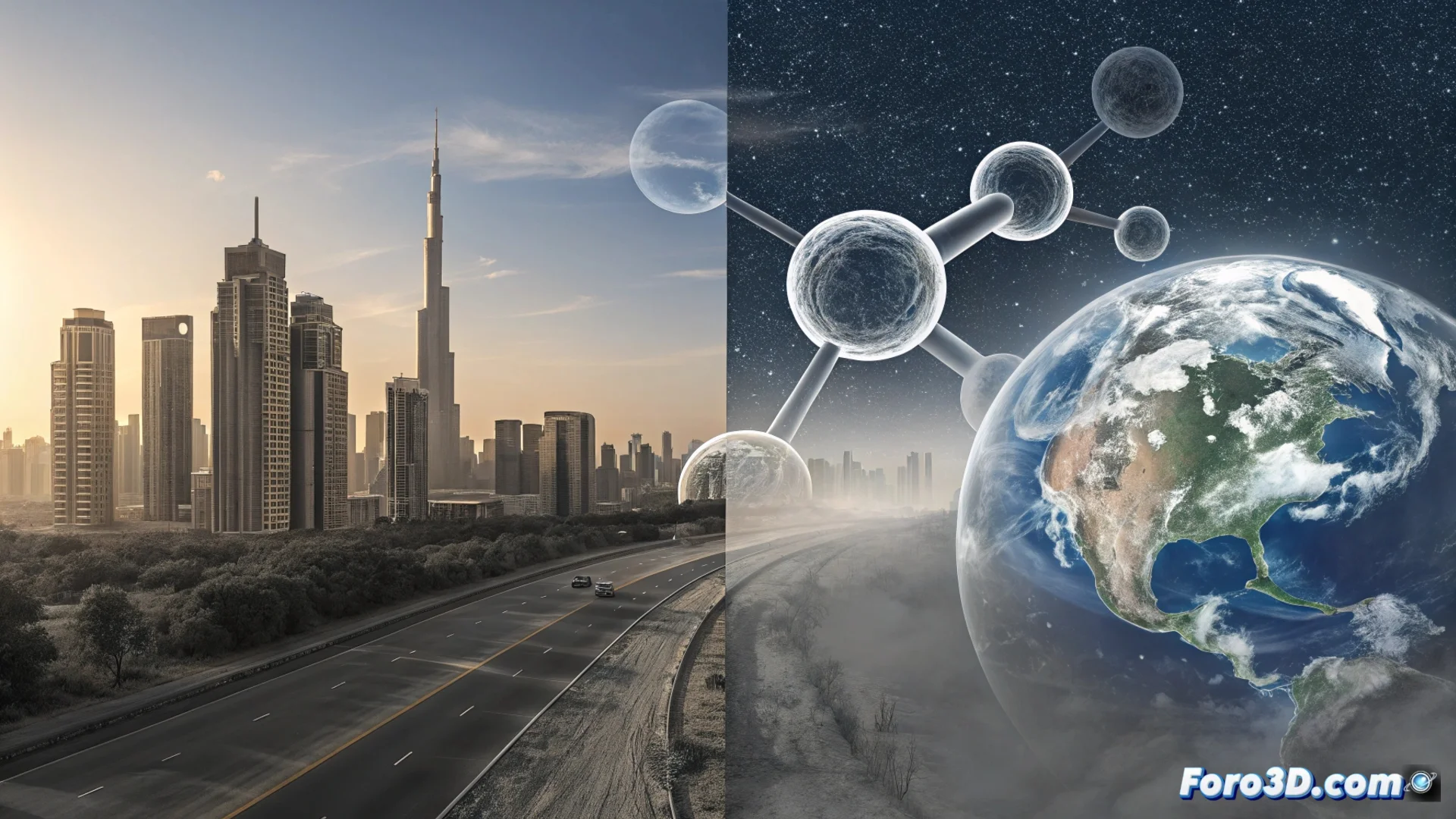
The Unexpected Effect of Cleaning the Air in the Atmosphere
The pandemic left us with a revealing environmental paradox. While cities fell silent and factories reduced their activity, the sky seemed to breathe better. However, this temporary improvement in air quality triggered a chemical reaction with significant climatic consequences. 😮
The Delicate Chemical Balance is Disrupted
The atmosphere functions as a huge chemical reactor in equilibrium. Nitrogen oxides (NOx), common in car exhaust, had a hidden role: they helped break down methane in the troposphere. When their emissions dropped drastically, this atmospheric "detergent" was removed, allowing methane to accumulate more easily. It's similar to removing the filter from a swimming pool.
Key Details of the Process:- Traffic pollutants (NOx) react with hydroxyl radicals (OH), which are the main "cleaners" of methane.
- Less NOx means these radicals are directed to other reactions, reducing their availability for removing methane.
- The net result is an increase in the lifetime and concentration of methane in the air.
Solving one ecological problem can sometimes expose or intensify another. It's a lesson about the interconnection of planetary systems.
Methane: A Gas with Hidden Power
Carbon dioxide (CO2) is often compared to methane (CH4). The latter is a much more potent greenhouse gas in the short term, although it persists for less time. Its origins are varied, from livestock digestion to leaks in natural gas and oil infrastructure. The increase observed in 2020 underscores how sensitive the atmospheric balance is to changes.
Main Sources of Methane:- Enteric Fermentation: Digestive process of ruminants like cows.
- Fossil Fuel Leaks: Extraction, transportation, and storage of gas and oil.
- Decomposition of organic matter in landfills and wetlands.
The Fundamental Lesson We Learn
This phenomenon does not suggest that we should stop cleaning the air we breathe, an action vital for public health. The central message is the need to act with a comprehensive vision. We must implement strategies that address air pollution and climate change simultaneously, aware of their hidden links. The Earth reminds us that its mechanisms are complex and deeply interconnected. 🤝