A study in mice reveals a complex neuronal mechanism for itch. The TRPV4 protein, present in nerve cells, has a dual function. It not only initiates the signal that causes the urge to scratch, but also sends the order to stop the behavior. This finding explains processes of chronic itch in humans.
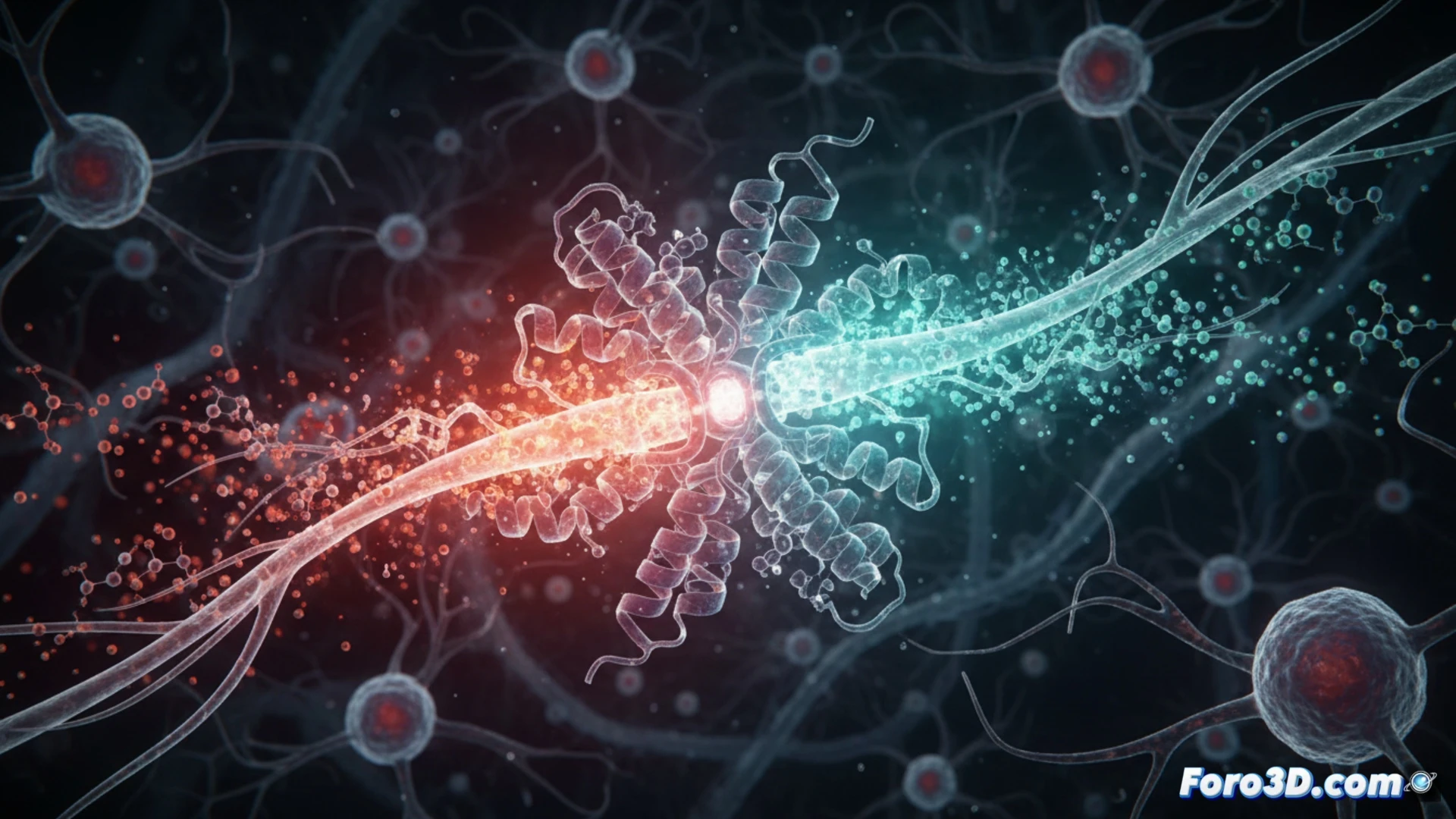
The Therapeutic Balance: Modulating TRPV4 Without Losing the 'Stop Button' ⚖️
The development of drugs that modulate TRPV4 faces a technical challenge of precision. Inhibiting this protein could reduce the frequency of the itch sensation, but it would also block the relief signal, leading to longer and uncontrollable scratching episodes. On the other hand, increasing its activity could help stop a persistent itch, but it might potentially generate more episodes. The key lies in drugs that can influence one function without altering the other.
When Your Own Protein Tells You that's enough (and If It's Not There, You Don't Stop) 🤯
Imagine that your brain has an integrated system for itch with a start button and an end button. TRPV4 would be that foreman who shouts scratch! and then, after a while, whistles for you to stop. Mice without it are like that worker who doesn't hear the whistle: they start less often, but when they do, no one can stop them. A reminder that, in biology, even the most annoying sensations come with their own instruction manual.