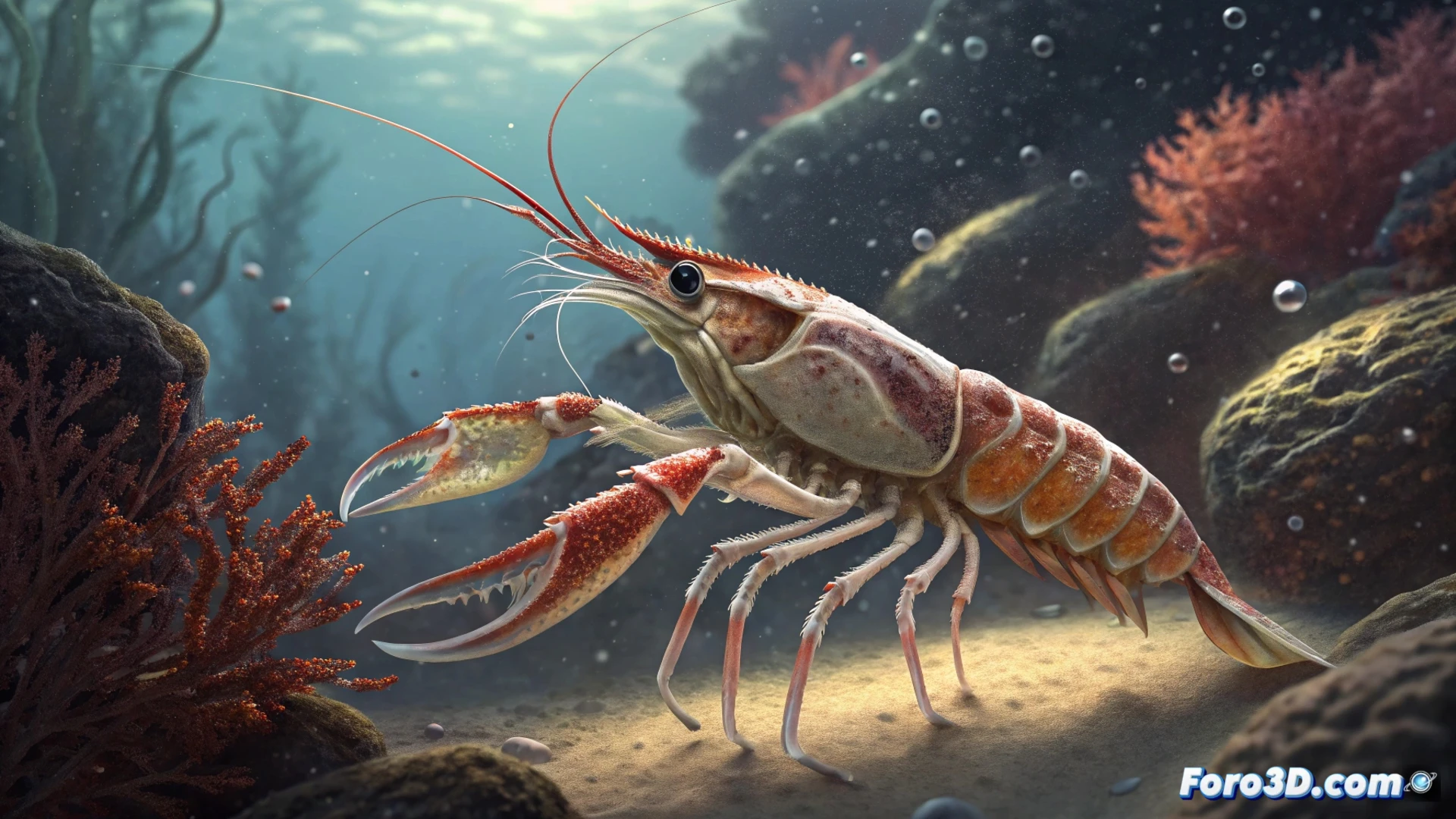
In coral reefs lives an arthropod with a unique attack mechanism. The pistol shrimp (Alpheidae) does not rely on its size, but on an extreme physical phenomenon. By closing its modified claw at high speed, it generates a cavitation bubble whose collapse produces a sonic boom and an intense heat flash, effective for hunting.
Technical Applications of Controlled Cavitation Phenomenon ⚙️
The principle used by the shrimp is not exclusive to biology. In engineering, controlled cavitation is studied for medical applications, such as lithotripsy to destroy kidney stones with shock waves. It is also researched in ultrasonic cleaning systems and naval propulsion, seeking methods that minimize cavitation damage on ship propellers.
Will Your Next Subwoofer Be a Crustacean? 🦐
Imagine replacing your sound system with an aquarium full of these shrimp. With a claw snap, you'd have bass that literally stuns. The problem, of course, is the diet: you'd have to constantly replenish the tank's fish that serve as prey to activate the show. And forget about volume control; here the only control is the artist's hunger.