In 2008, chemist Mas Subramanian accidentally discovered a blue pigment, a finding that transformed his view on color. This casual event led him to dedicate himself to creating bright and stable pigments. His current goal is to solve a historic problem: synthesizing an intense and non-toxic red. Over the centuries, the most vivid reds have relied on dangerous elements, such as the mercury from cinnabar. Finding a safe and pure alternative is a scientific challenge that persists.
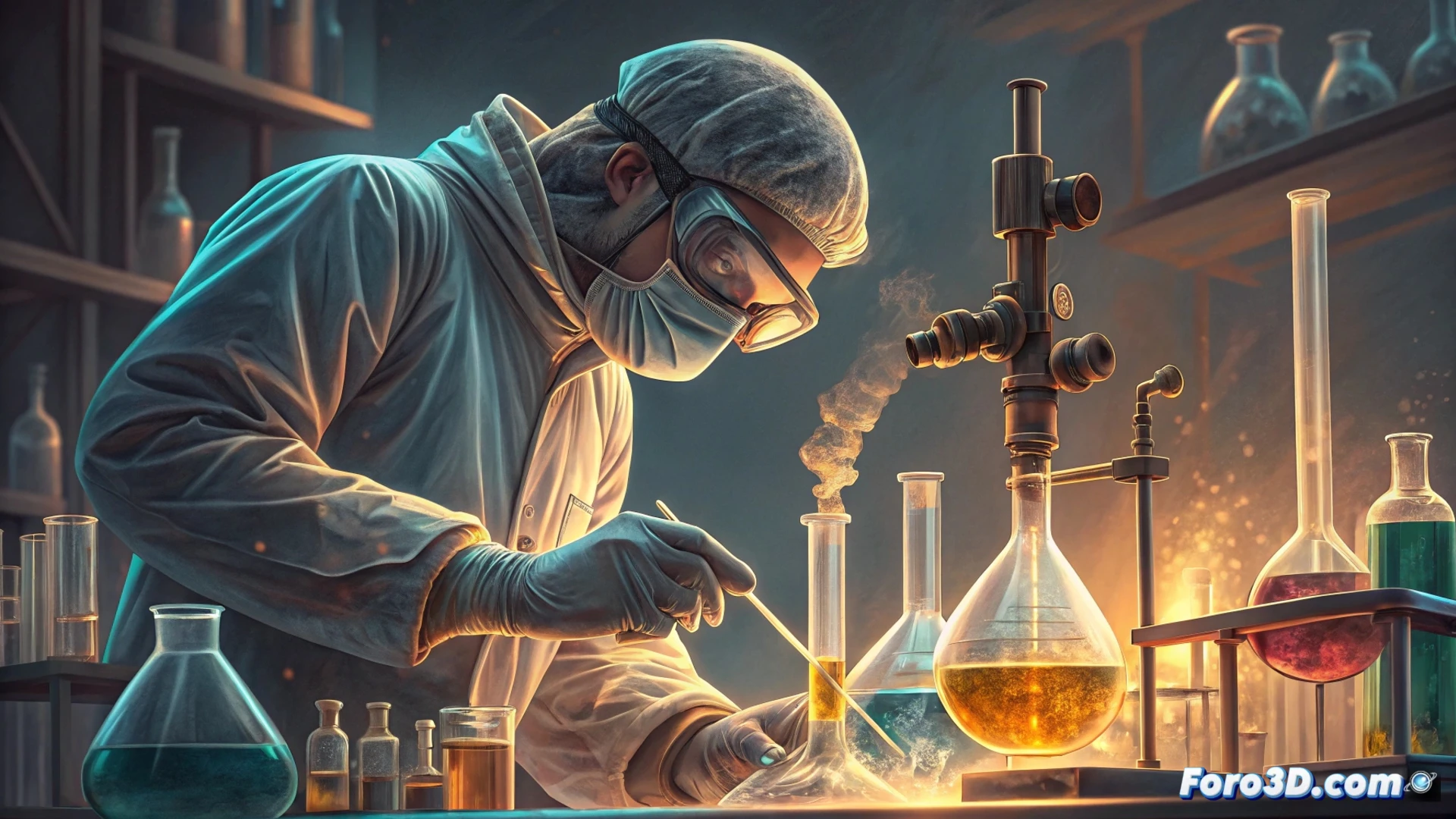
The Atomic Barrier of Pure Color ⚛️
The technical challenge lies in the crystalline structure of the materials. For a pigment to reflect only red light, its atoms must be organized in a very specific way that absorbs all other wavelengths. This configuration is difficult to achieve and maintain stable with innocuous compounds. Metallic oxides that offer durability often tend toward orange or brown colors. Creating a crystal with the exact energy gap for pure red, without using cadmium or lead, is an atomic engineering puzzle that still has no solution.
When Mercury Was the Creative Solution 💀
It's sobering to think that for centuries the formula for a vibrant red was basically add mercury and pray you don't poison yourself. The ancient masters, without safety committees, had a palette with some occupational risk. Today, a chemist like Subramanian spends years testing combinations in a controlled lab to avoid a milligram of toxicity. Art history is written, in part, with materials that today would carry a skull label. A breakthrough, no doubt, though perhaps less exciting for the more daring.