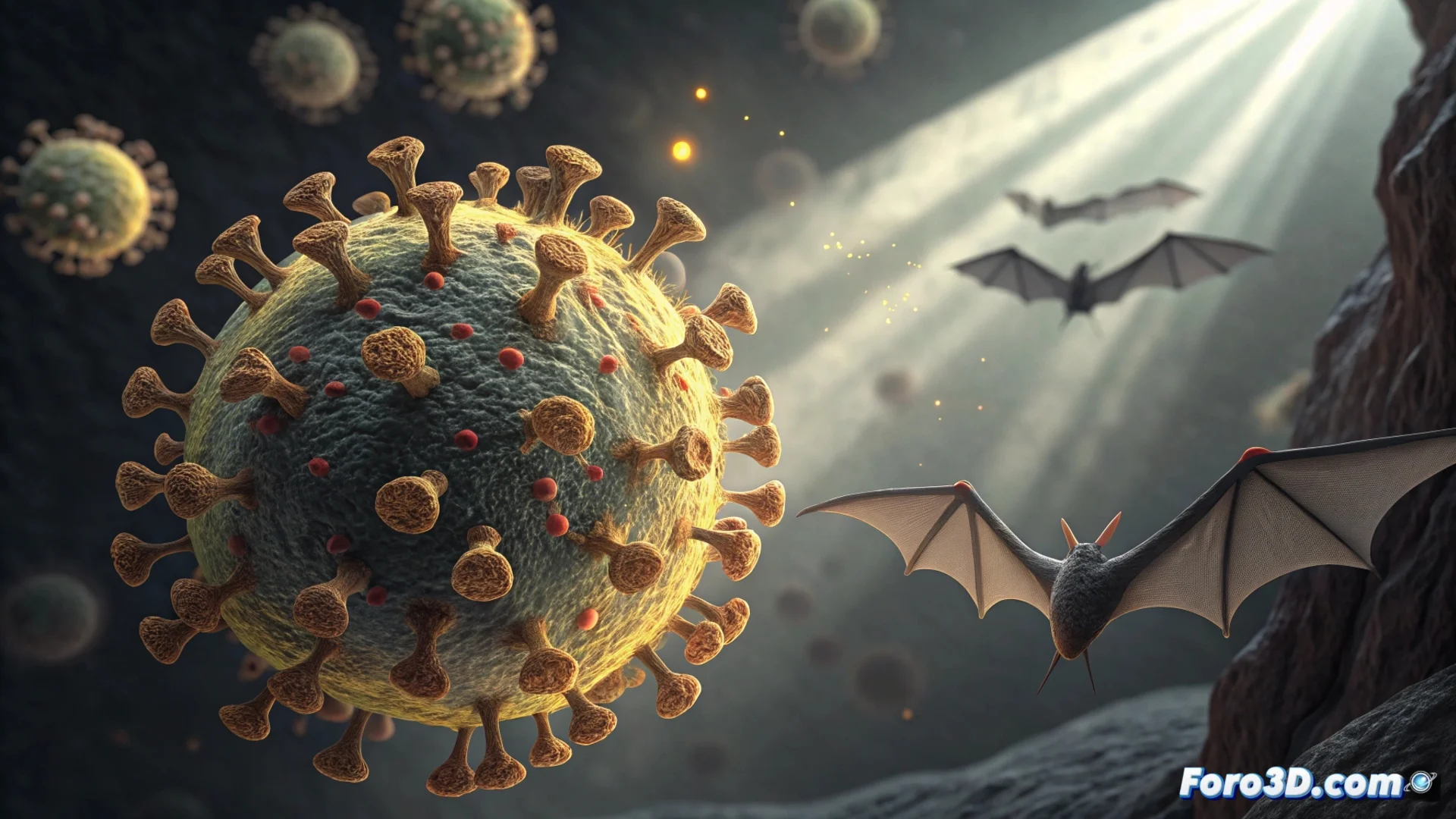
The scientific community monitors the Nipah virus
Global health focuses its efforts on emerging pathogens. A recent alert from the World Health Organization highlights the Nipah virus as a significant threat. This infectious agent, first detected in Malaysia, can jump from fruit-eating bats to other living beings, including humans. 🦠
A pathogen with a concerning profile
The Nipah virus poses a complex public health challenge. Although it can spread between people, this transmission is less effective than in other respiratory viruses. The initial signs of infection are usually fever, intense headache, and breathing complications. In its most severe forms, it can trigger encephalitis, a dangerous brain inflammation. Currently, there is no authorized antiviral drug to combat it directly, so clinical management is limited to alleviating symptoms. Nor is there an immunization available to the public. 🧠
Key measures to contain the spread:- Avoid any contact with animals that may harbor the virus, such as pigs and fruit bats.
- Do not consume unprocessed date palm sap, as it is a documented infection route.
- Apply strict protocols to isolate patients and trace their close contacts.
The next time you see a bat, you might reconsider getting close... or drinking untreated palm sap.
Strategies for prevention and control
Since we lack specific medical tools, the main strategy is based on implementing control measures. Health authorities emphasize the importance of these actions to reduce risk. Outbreaks are mainly recorded in regions of South and Southeast Asia, where the mortality rate can vary but reaches alarming levels. 🔬
Areas of active research:- Develop effective and safe vaccines against the Nipah virus.
- Search for and test specific antiviral treatments.
- Optimize epidemiological surveillance systems to detect outbreaks quickly.
A continuous global effort
Scientific research to better understand this virus and create countermeasures advances without pause. International surveillance and cooperation are essential to prepare and respond to possible emergencies. Until there is a vaccine or cure, knowledge and prevention practices remain our best defenses. 🌍