The statement from Mazón's former press chief, claiming that her team reported the president's location on October 29th through logical deduction and not direct knowledge, opens a debate on how narratives are constructed. On foro3d.com, we see a clear parallel with our daily work. The reconstruction of scenarios, whether for a judicial case or an animated sequence, often relies on inferences, contextual data, and the interpretation of available elements.
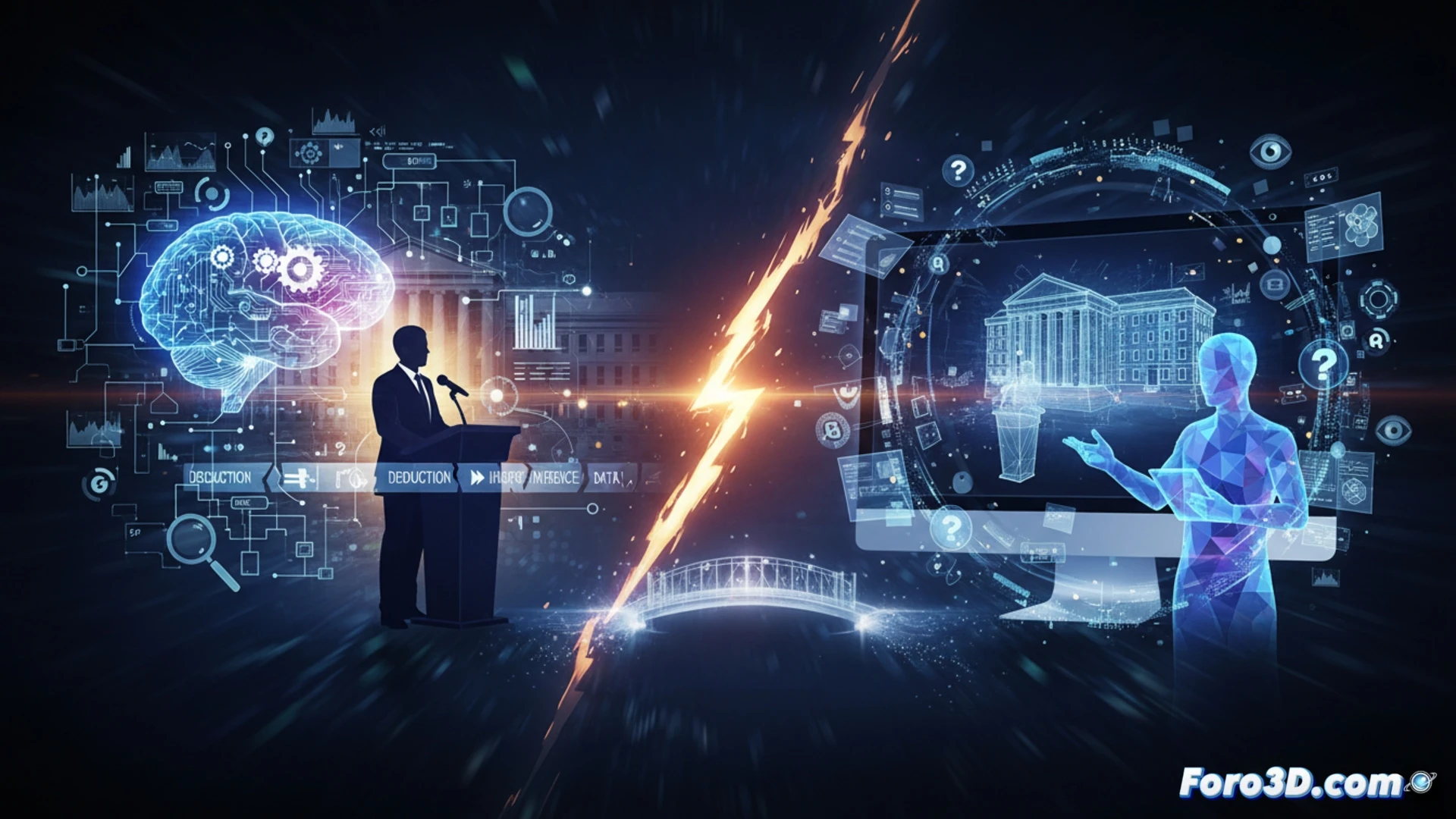
Preproduction and Timelines: The Art of Assembling Scattered Data 📂
In the preproduction of a 3D project, access to a single, complete reference is rarely available. The artist must integrate location photos, loose sketches, textual descriptions, and approximate measurements to generate a coherent model. This assembly process, similar to forensic or journalistic work, is based on connecting dots and deducing what is missing. The credibility of the final result depends on the logical solidity of those connections and transparency about information gaps.
What if Our Rigging Had to Testify Before a Judge? ⚖️
Imagine the scene: Your Honor, the character was in that shot because inverse kinematics suggested it and the context of the previous scene implied it. We don't have a direct keyframe to prove it, but it was the logical deduction. Our work processes, full of technical shortcuts and informed assumptions, might sound quite familiar in certain statements. Perhaps we should include a disclaimer in our projects: Any similarity to the reconstruction of real facts is purely coincidental... or similar foresight logic.