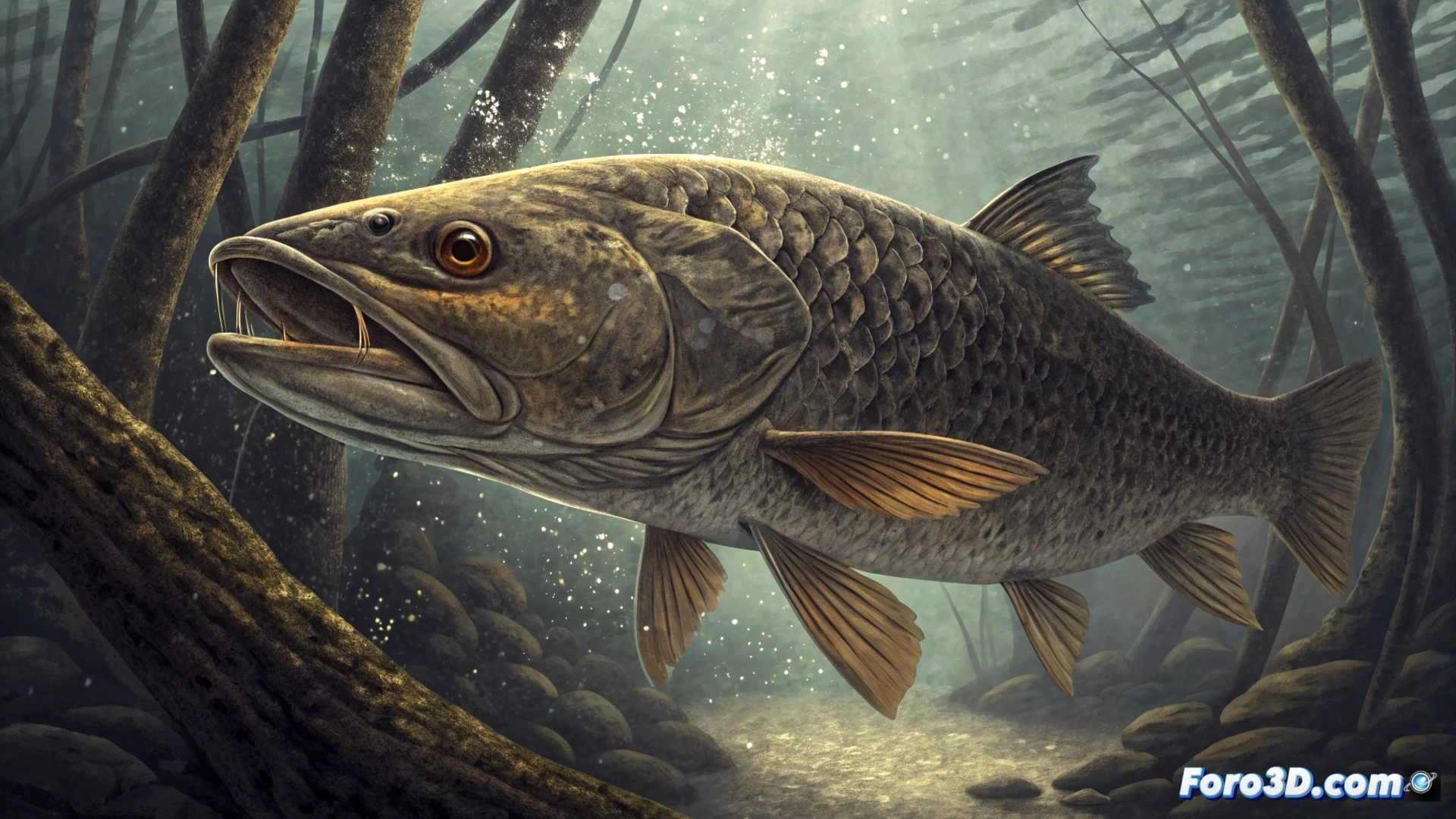
In mangroves and tidal plains lives the mudskipper, an animal that challenges the common definition of fish. This species can remain on dry land for weeks or months, surviving the dry season. It achieves this by breathing through its moist skin and the tissues of its mouth and throat, allowing it to feed and move in an amphibious environment.
Inspiration for breathing systems in hostile environments 🔬
The physiology of the mudskipper is studied in biomimetics. Its ability to exchange gases through moist cutaneous surfaces raises ideas for the development of artificial membranes. These could be applied in life support systems that need to extract oxygen from low-concentration environments, or in coatings that regulate humidity for the preservation of sensitive materials in variable conditions.
The first fish to request remote work? 💼
While we discuss office chair ergonomics, the mudskipper has been optimizing its bimodal workspace for eons. It doesn't need a desk by the window; a piece of mud suffices. It has solved the work-life balance problem without apps: it is literally productive in water and on land. A true pioneer of hybrid work, although its moist skin suit would not be approved in any corporate dress code.