Milano-Cortina 2026 Winter Games Exceed Initial Budget
The entity that organizes the upcoming Winter Olympic and Paralympic Games has publicly admitted that the total expenditure will be higher than initially calculated. Although no specific figure has been made public, analyses indicate that the extra disbursement could amount to hundreds of millions of euros above the originally budgeted 1,580 million. 🏔️
Why is the final cost increasing?
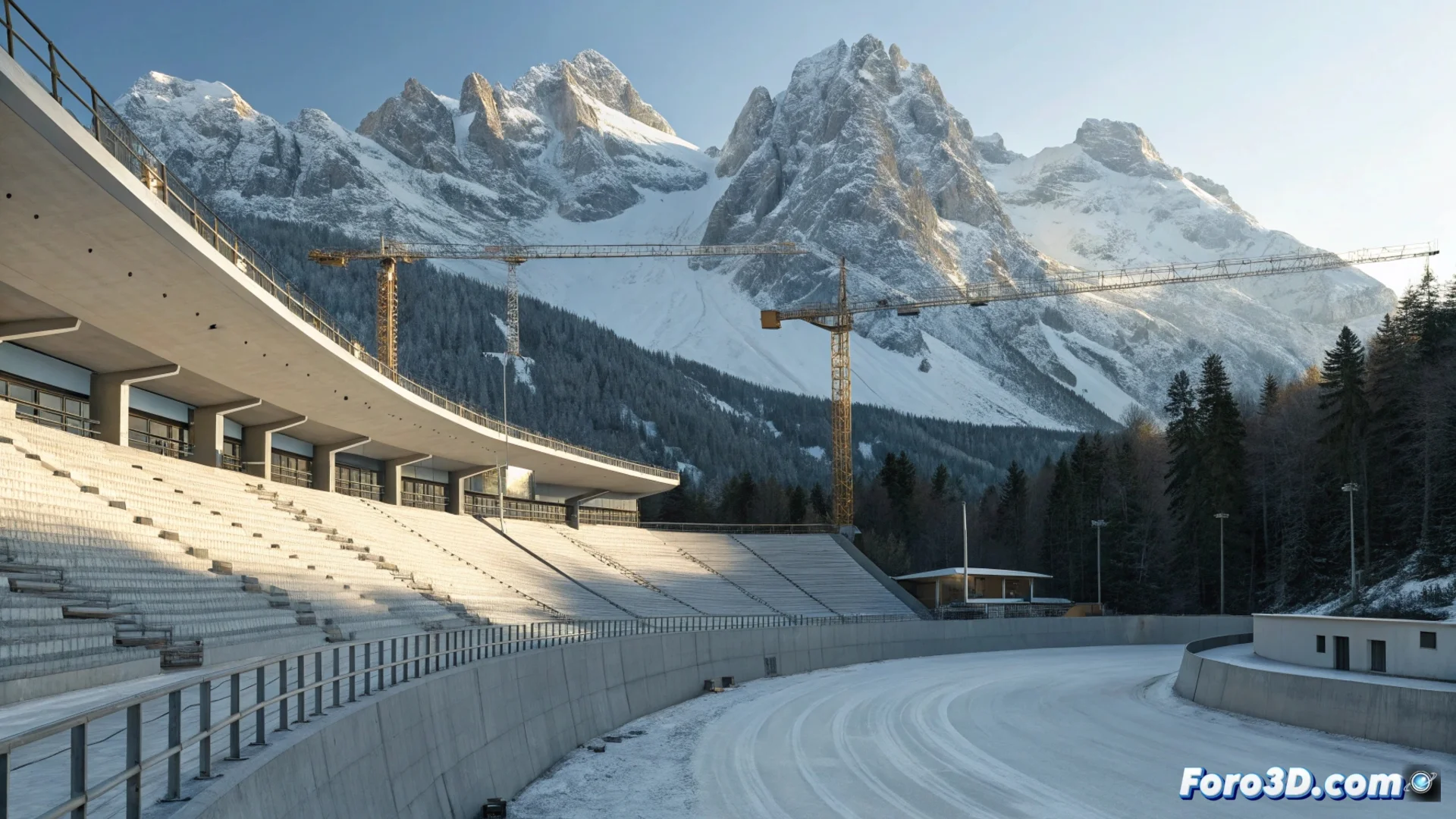
Two are the main drivers of this overrun. First, widespread inflation has reduced the real value of the allocated money, significantly increasing the cost of construction materials and workers' wages. Secondly, building and adapting the sports venues, with the bobsleigh complex in Cortina d'Ampezzo as the most prominent example, has encountered setbacks that extend construction timelines and, therefore, increase the price. 🛠️
Key factors in the increase:- Persistent inflation that raises the cost of all necessary inputs.
- Considerable delays in iconic infrastructure works.
- The need to seek additional funding to cover the budget shortfall.
It seems that the only thing that doesn't scale with inflation is the ability to stick to a budget in these mega-events.
Consequences and measures to address it
This situation, although common in Olympic-scale events, forces managers to make decisions. The organizing team states that it is already collaborating with public institutions to manage the extra funds required and ensure the event runs smoothly. The ultimate goal has not changed: deliver fully operational facilities for athletes and fans, even if the cost borne by the public ends up being higher. 💶
Strategies under consideration:- Work with authorities to ensure the necessary liquidity.
- Readjust other items in the overall event to offset expenses.
- Maintain the quality commitment in all venues despite the overrun.
Looking towards the 2026 event
The challenge now is to manage this overspending without compromising the essence of the games. The organizers insist that the top priority remains hosting a top-level competition with complete infrastructure, even assuming the final bill will be bulkier than expected. Attention is focused on how to execute this revised financial plan. 🎯