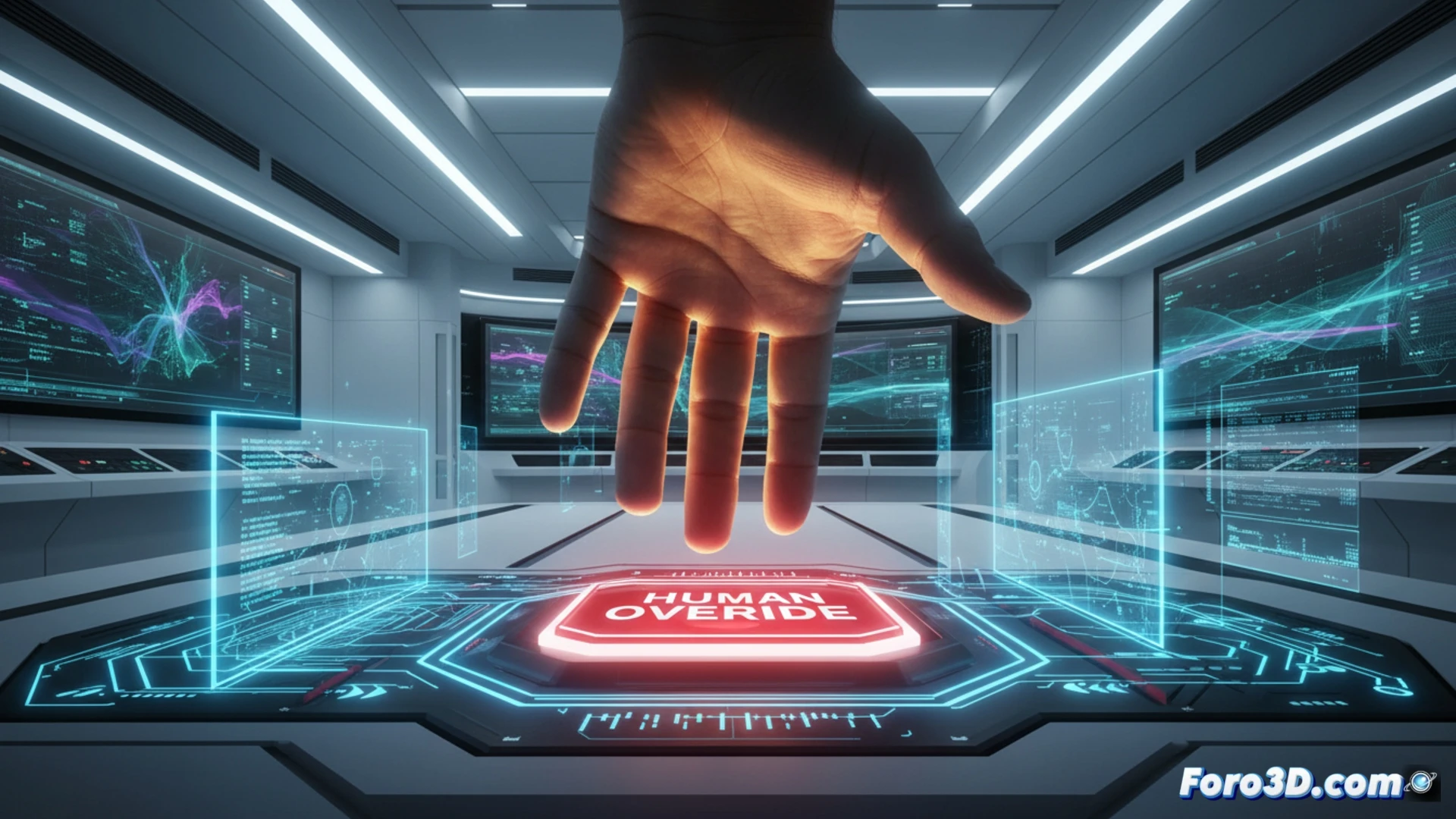
The Human Pause Button in the Age of Artificial Intelligence
Imagine asking an AI system to organize your next trip. It suggests accommodations, itineraries, and places to eat. But what if it recommends a place that no longer exists? This scenario underscores a key principle: the need to supervise and take responsibility for what the machine proposes. It is the switch that reminds us who has the final authority. 🤖⏸️
AI as a Navigator, Not a Driver
Visualize artificial intelligence as a fast assistant with access to a vast knowledge base. It can point out paths, warn of obstacles, and highlight opportunities. However, you are the one who manages the journey and decides whether to follow its indications. Supervising does not imply distrust, but applying prudence. It is the digital equivalent of confirming information that seems extraordinary.
Key functions of this collaboration:- Propose alternatives: AI generates options based on patterns and data.
- Filter information: Organizes and prioritizes large volumes of data for the user.
- Highlight anomalies: Identifies elements that require a closer look.
The best technology is not the one that makes us feel obsolete, but the one that makes us feel more capable.
Practical Examples of Active Supervision
In high-impact fields, this principle is integrated into the design. Systems that analyze medical images, for example, do not issue a conclusive diagnosis. Their function is to highlight regions that may be problematic, thus serving as a support tool for the specialist. They do not replace the professional; they enhance their ability to observe.
Areas where this model is crucial:- Assisted diagnosis: In medicine, AI marks areas of interest for an expert to interpret.
- Logistics planning: Suggests routes and schedules, but a human evaluates their feasibility in the real world.
- Content generation: Creates drafts or ideas that a person then reviews, edits, and contextualizes.
Maintaining Control in an Automated World
The ultimate goal is to use these tools to expand our potential, not to delegate our judgment. Ethics, contextual understanding, and the final decision are inherently human. Therefore, every time you interact with an automated system, remember that you hold the controls. Technology must amplify human intelligence, never pretend to replace it. 🧠✨