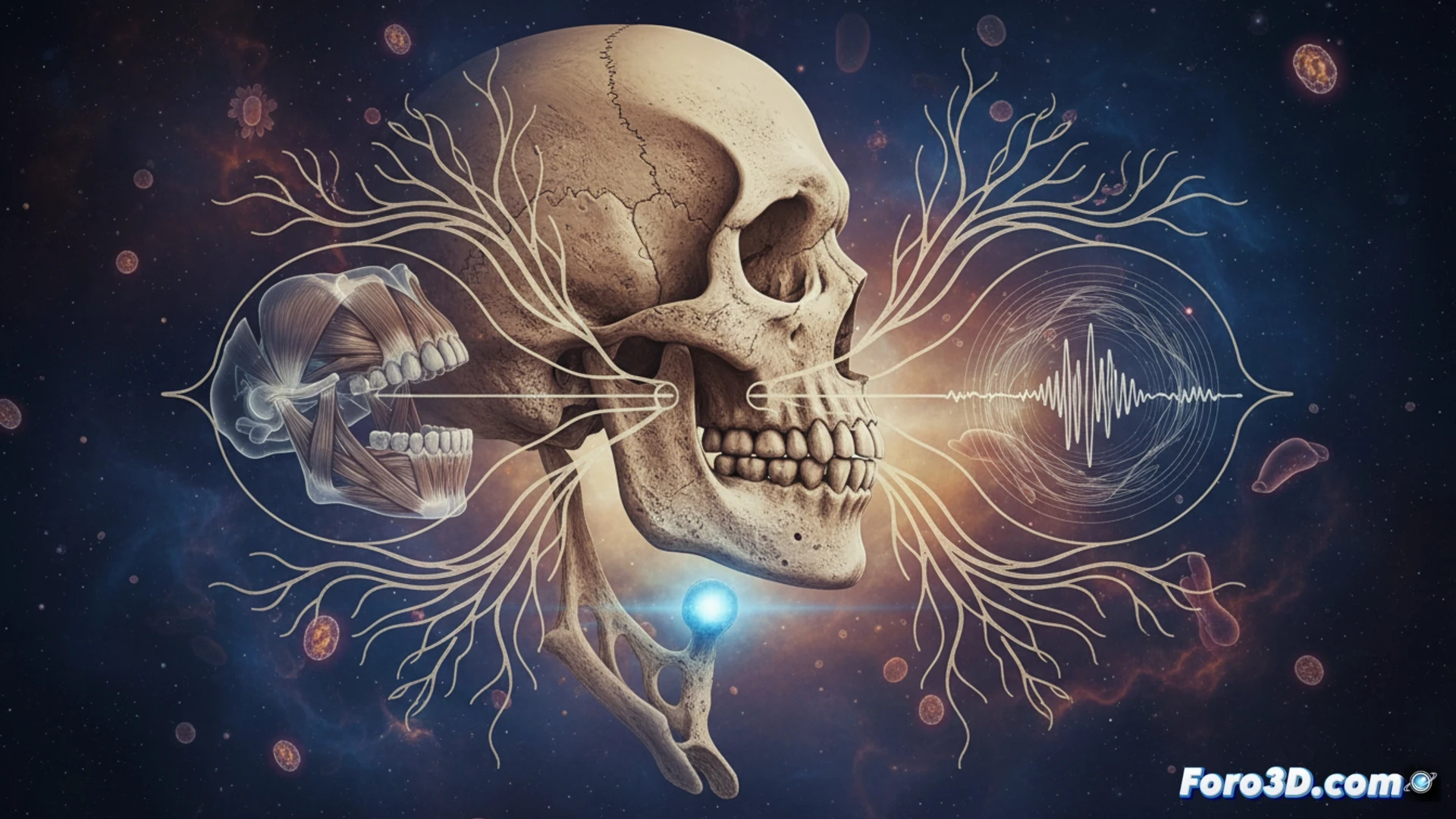
The prominent human chin is an evolutionary enigma that distinguishes us from other primates. A recent study, after analyzing skulls, proposes that it did not arise from direct selective pressure for speaking or chewing. Its appearance would be a side effect of other changes in facial structure, driven by natural selection or genetic drift. This illustrates that evolution can act in indirect ways and not always directed.
When "Design" Emerges from Refactoring: Lessons from Evolution for Development 💻
This finding has a parallel in software development. Sometimes, a code feature (like an API or a module) is not the result of intentional design, but emerges from successive refactorings to solve different problems. The chin of the system was not in the initial requirements, but is an architectural consequence of other changes. Recognizing these patterns helps understand complex systems without attributing excessive intentionality to them.
Our Chin: The Bug That Became a Feature 🐛➡️✨
So, according to science, our chin might be the evolutionary equivalent of a build artifact. While natural selection optimized other areas, the jaw retracted and left that small protrusion as a reminder. Perhaps that's why some have it more pronounced than others: simple variability in the build. In the end, we shave, contour, or implant jaws that nature never planned to give a function. Ironies of biological legacy code.