The Environmental Dilemma of the 2026 Winter Olympics
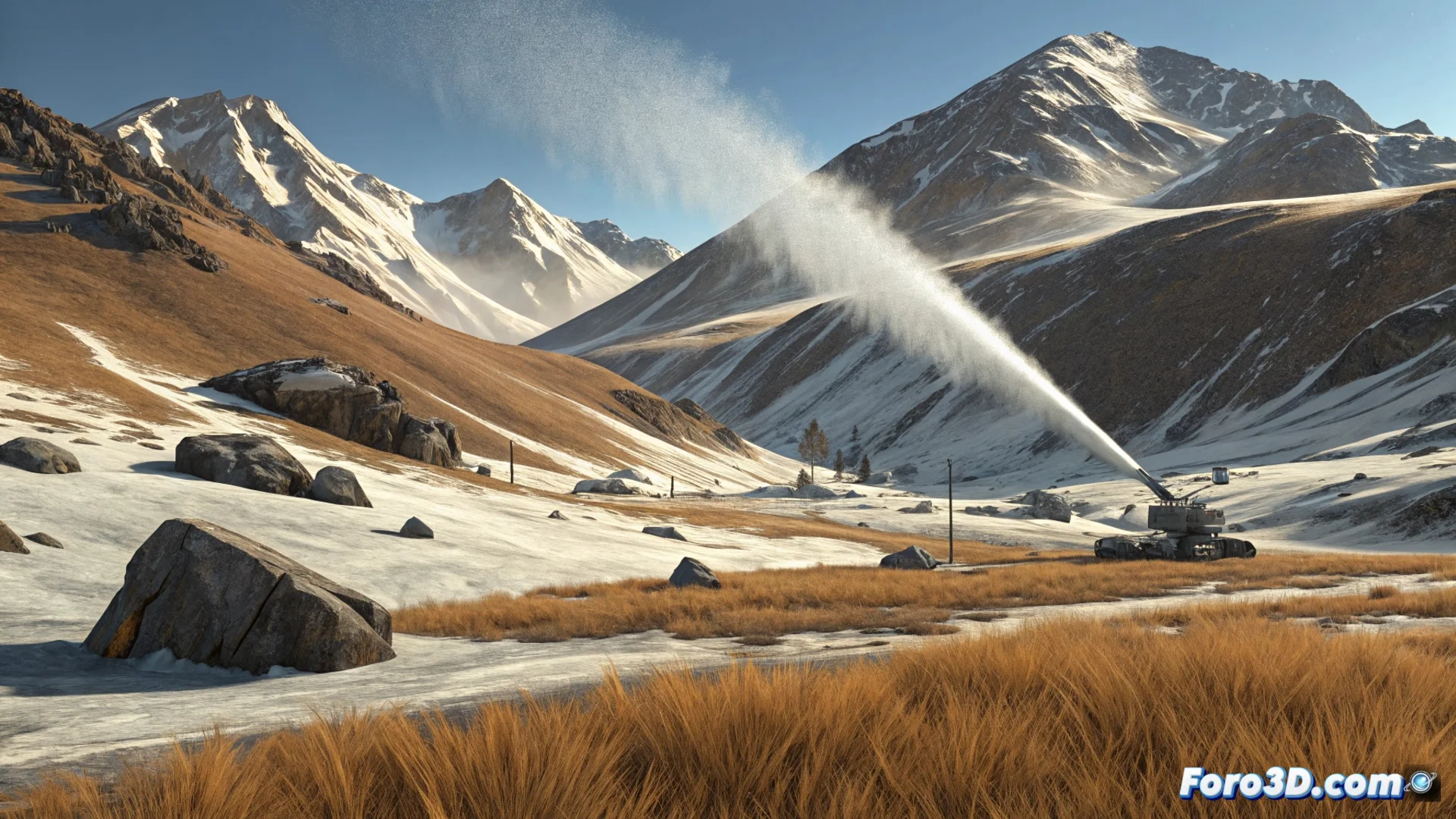
The next edition of the Winter Olympics, to be hosted by Italy and Milan, is being prepared under the shadow of a serious ecological problem. To ensure there is enough snow, the organizers will resort massively to producing it artificially, a solution that carries an enormous environmental footprint. ❄️
The High Cost of Making Snow
Generating artificial snow is not an innocuous process. It requires extracting large volumes of water from nearby natural sources, which can disrupt the ecosystems of rivers and lakes. Additionally, the process of cooling and atomizing that water to turn it into flakes demands a immense amount of electricity, which is often produced by burning fossil fuels. This emits gases that warm the planet, a fact that clashes head-on with the public commitments to hold sustainable games.
Direct consequences of this method:- Disrupting natural water cycles by diverting water to produce snow.
- Increasing greenhouse gas emissions due to high energy consumption.
- Creating a paradox where an event that promotes sport in nature damages it.
The Olympic motto "faster, higher, stronger" seems to transform into "more melted, more manufactured, more costly" for the environment.
Damage to the Terrain and Possible Solutions
Snow produced by machines has a denser and more compact composition than that which falls from the sky. This characteristic can harm the ground vegetation and compact the soil, affecting its long-term health. Some experts propose selecting venues with inherently colder climates or modifying the competition calendar. However, the economic interests and the rigidity of the international sports program make implementing these changes very complex.
Alternatives and Obstacles:- Seeking locations with natural guarantees of cold and snowfall.
- Adjusting the games' dates to more intense winter periods.
- Facing resistance from sponsors and organizations that prioritize spectacle and tradition.
An Uncertain Future for Winter Sports
This conflict between sports necessity and ecological responsibility defines the present of the Winter Games. Dependence on artificial snow reveals how climate change threatens the very viability of these events in their traditional locations. The world watches to see if Italy 2026 can balance the sports feat with the imperative to protect the planet that serves as its stage. 🌍