The arrival of advanced versions like OpenAI Codex and Claude Opus 4.6 has intensified a shift in development. Many programmers now describe functionalities in natural language and let the AI generate, test, and debug the code. This raises a question in the community: is traditional programming being replaced by a model where the engineer supervises and designs, but does not write lines manually?
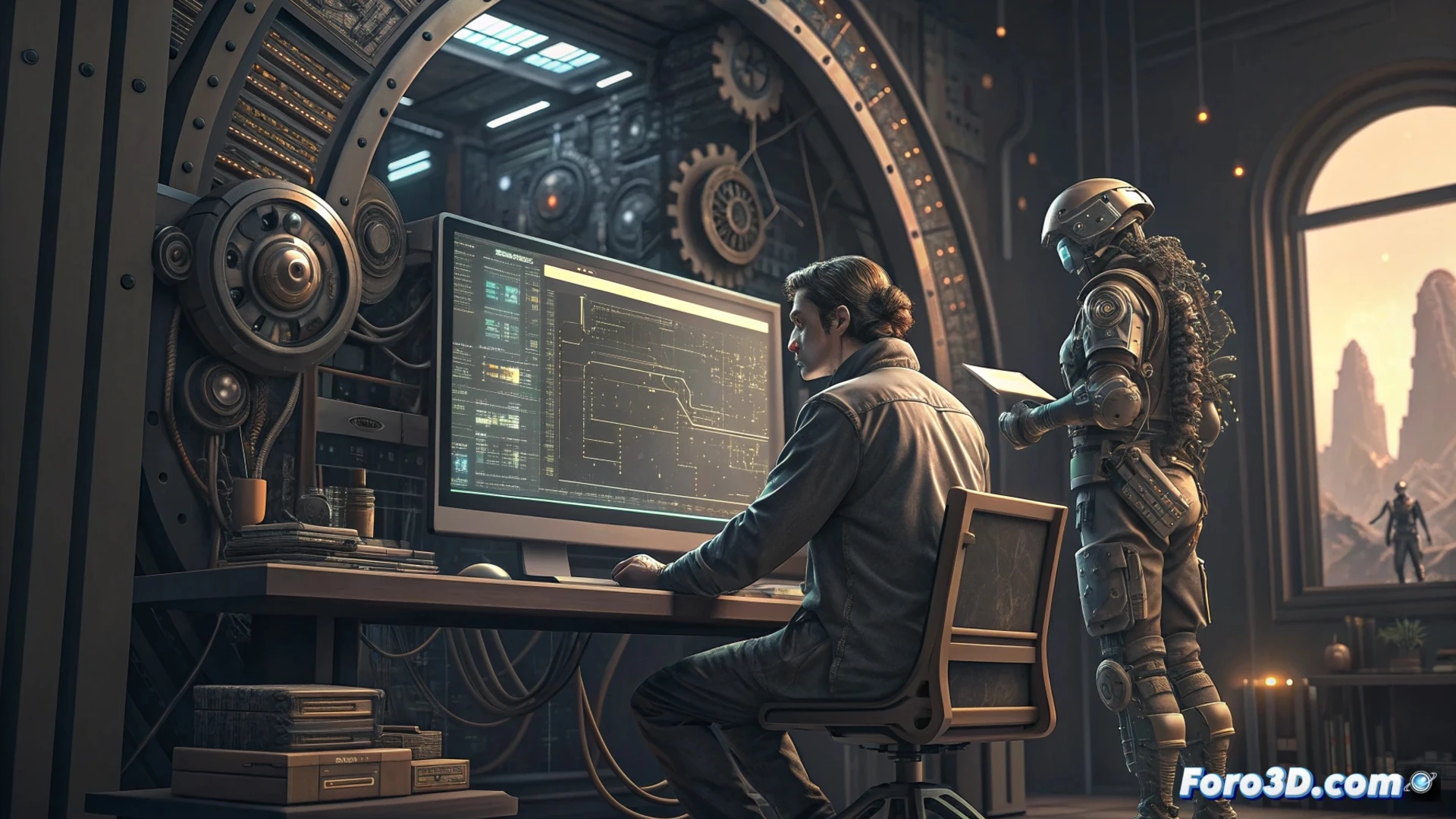
From Prompt to Deployment: An Assisted Workflow ?™ï?
The process begins with a detailed specification in natural language. The AI analyzes the context, suggests architectures, and writes the initial code. Then, integrated tools run unit tests, identify *bugs*, and propose fixes. The developer reviews the changes, adjusts the prompts to refine the result, and focuses on system integration and resource optimization, tasks that still require human judgment.
Welcome to the Glorious Craft of Prompt Caretaker ??
Our new role consists of feeding the AI with increasingly elaborate descriptions, as if we were ordering a very specific coffee from a barista with a PhD in computing. We spend hours polishing phrases so that the model doesn't decide, on its own, to implement a database with carrier pigeons. The star skill is no longer knowing algorithms, but guessing the keyword that prevents everything from turning into an infinite *hello world*.